
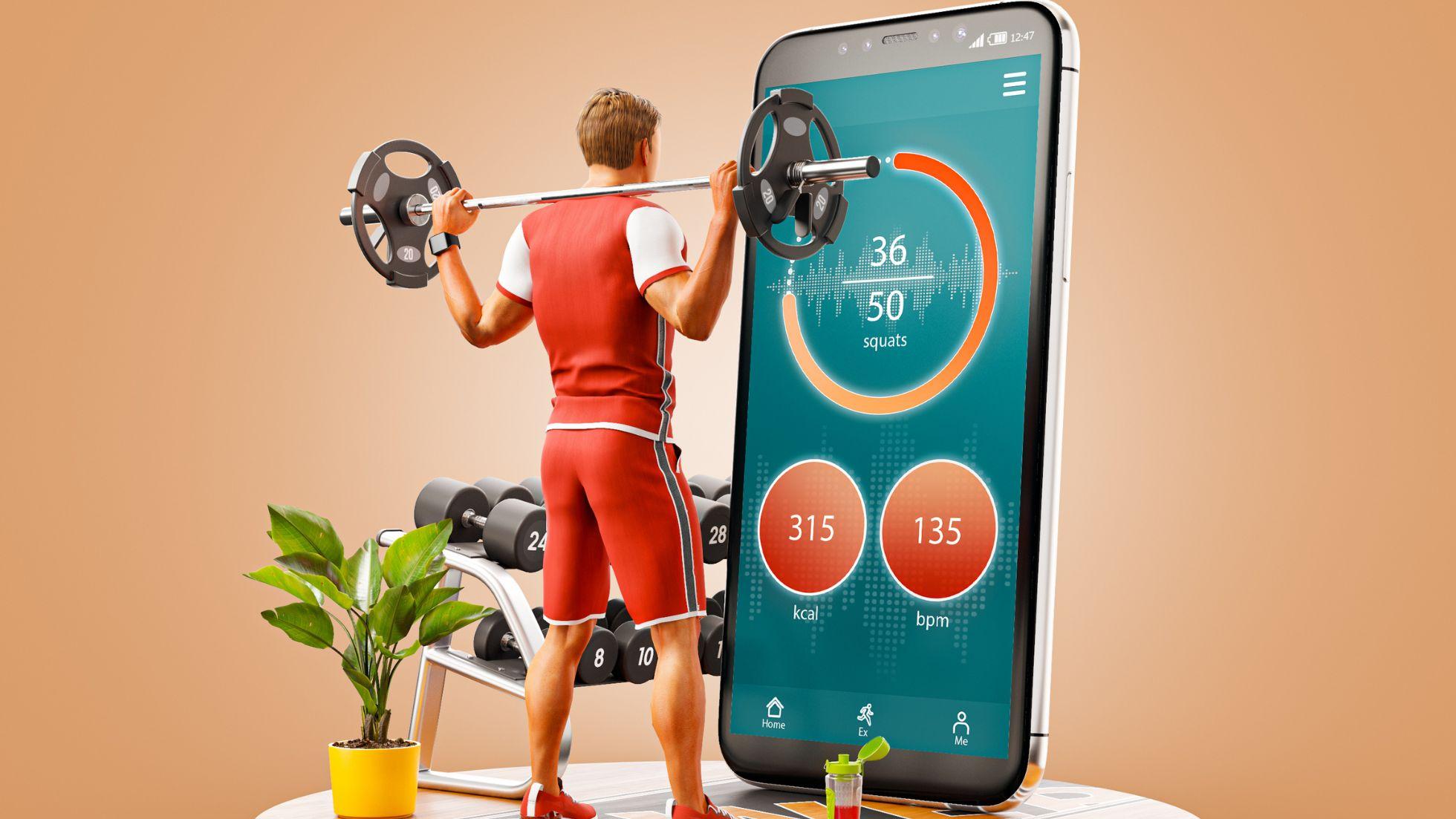
The digital wellness revolution has produced a vast and diverse array of Fitness App Solutions, ensuring that there is a digital tool available for almost every conceivable health goal, preference, and lifestyle. These solutions can be broadly grouped into several key categories, each serving a distinct purpose in a user's wellness journey. The most visible and heavily marketed category is workout and exercise solutions. These are designed to guide users through physical activity, either at home or in a gym. This space is incredibly varied, featuring high-production, on-demand video classes from industry giants like Peloton and Apple Fitness+, which emulate the experience of a boutique studio class. It also includes AI-driven personal training solutions like Freeletics and FIIT, which create adaptive workout plans that change based on user feedback and performance, offering a truly personalized training experience without the high cost of a human coach.
A second fundamental category consists of nutrition and diet solutions, which focus on the crucial "calories in" side of the health equation. The dominant solutions in this space are calorie and macronutrient tracking apps, with MyFitnessPal and Lose It! being the most well-known examples. These apps feature massive, crowdsourced food databases and barcode scanners that make it easy for users to log everything they eat and drink. By providing a clear picture of their daily consumption, these solutions empower users to make more informed dietary choices and manage their weight effectively. This category also includes more specialized solutions, such as meal planning apps that generate weekly shopping lists and recipes, as well as apps tailored to specific dietary approaches like keto, veganism, or intermittent fasting, providing targeted guidance and community support for users with specific nutritional goals.
Specialized activity tracking and community-based solutions form another vital part of the market. These apps are designed for users who are primarily active outdoors or who are motivated by social competition. Strava is the undisputed leader in this category, having built a "social network for athletes" where users can track their runs, bike rides, and hikes via GPS, share their activities with friends, and compete for titles on local segments of road or trail. Other solutions in this space, like AllTrails for hiking or Komoot for cycling and adventure sports, focus on route discovery and navigation. The core value of these solutions lies not just in the data they track but in the powerful sense of community and friendly competition they foster, which proves to be an incredibly effective motivator for staying active and consistent with training.
Finally, the market has seen explosive growth in holistic wellness and specialized health solutions, acknowledging that overall well-being extends beyond just diet and exercise. The mental wellness category is now a multi-billion-dollar market in its own right, led by meditation and mindfulness solutions like Calm and Headspace. These apps provide guided meditations, sleep stories, and breathing exercises to help users manage stress and improve their mental clarity. Sleep tracking solutions have also become a standard feature in many apps and wearables, analyzing sleep stages and providing insights to help users improve their sleep quality. This category also includes a long tail of highly specialized solutions catering to specific needs, such as prenatal fitness apps for expectant mothers, physical therapy apps that guide users through rehabilitation exercises, and even posture correction apps, demonstrating the incredible breadth and depth of the modern digital health landscape.
Explore More Like This in Our Regional Reports:
US Network Management Market Share

 English
 Arabic
 French
 Spanish
 Portuguese
 Deutsch
 Turkish
 Dutch
Dutch
 Italiano
 Russian
 Romaian
 Portuguese (Brazil)