
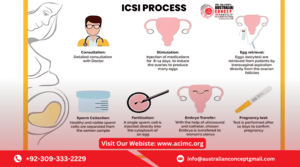
ICSI is an advanced fertility treatment that helps many couples achieve pregnancy.
During this process, multiple eggs are often fertilized in the laboratory.
However, not all embryos are transferred to the uterus at the same time.
This raises an important question for many couples:
Why Are Some Embryos Unused?
After ICSI, several embryos may develop successfully.
Usually, only one or two embryos are transferred to reduce risks.
The remaining embryos are called unused or extra embryos.
They are often healthy and can be preserved for future use.
Doctors discuss embryo numbers carefully with the couple before transfer.
Cryopreservation of Embryos
The most common option for unused embryos is freezing.
This process is known as cryopreservation.
Embryos are frozen using advanced techniques that protect their quality.
They are stored at very low temperatures in special laboratory conditions.
Frozen embryos can remain safely stored for many years.
Using Frozen Embryos in the Future
Unused embryos can be used later if:
-
The first treatment cycle is not successful
-
The couple wants another child
-
Pregnancy is delayed for medical or personal reasons
Frozen embryo transfer is simpler than a full ICSI cycle.
It also avoids repeated egg retrieval and stimulation.
Benefits of Freezing Unused Embryos
Freezing embryos offers several advantages:
-
Saves time and cost
-
Reduces physical stress on the woman
-
Maintains the chance of future pregnancy
-
Avoids repeating the full treatment cycle
Many couples find this option reassuring.
Donation for Medical Research
In some cases, couples may choose to donate unused embryos for research.
This option depends on local laws and regulations.
Donated embryos are used to improve fertility treatments and medical knowledge.
Strict ethical guidelines are followed.
Consent from both partners is required before donation.
Discarding Unused Embryos
If embryos are no longer needed, couples may decide to discard them.
This decision is made after careful counseling.
The process is done respectfully and ethically in the laboratory.
Written consent is required before embryos are discarded.
How Couples Make the Decision
Deciding what to do with unused embryos can be emotional.
Doctors and counselors help couples understand all options.
Factors that influence the decision include:
-
Family planning goals
-
Religious or ethical beliefs
-
Financial considerations
-
Emotional readiness
There is no right or wrong choice.
Legal and Consent Requirements
Before starting ICSI, couples usually sign consent forms.
These forms explain:
-
Storage duration
-
Ownership of embryos
-
What happens in special situations
Clear documentation protects both the couple and the clinic.
Emotional Support During Decision-Making
Thinking about unused embryos can be stressful.
Many clinics offer counseling support.
Open communication between partners is very important.
Taking time to decide often helps reduce emotional pressure.
Final Thoughts
Unused embryos after the ICSI procedure are handled with great care.
Freezing is the most common and flexible option.
Other choices include donation or discarding embryos, based on personal beliefs.
Medical guidance and counseling help couples make informed decisions.
Understanding these options allows couples to feel more confident and prepared.
Every decision should reflect what feels right for the family’s future.

 English
 Arabic
 French
 Portuguese
 Deutsch
 Turkish
 Dutch
Dutch
 Italiano
 Russian
 Romaian
 Portuguese (Brazil)
 Greek
Greek