
A practical Remittance Market Analysis examines the market through corridors, because pricing, competition, and payout options vary widely by sending and receiving country pairs. High-volume corridors often have stronger competition and lower costs, while smaller corridors can remain expensive due to limited scale and higher compliance overhead. Market analysis also focuses on the two main cost components: transfer fees and FX spread. Consumers increasingly compare total cost, pushing providers to improve transparency and reduce hidden margins. Delivery speed is another key dimension; near real-time payouts are possible in some corridors where real-time payment rails and wallet ecosystems are mature. In other corridors, bank settlement and compliance checks slow delivery. Market analysis also reviews payout preferences: cash pickup remains critical where banking penetration is low, while mobile wallet and bank deposit payouts grow in digitized markets. Provider success often depends on tailoring corridor-specific offerings rather than using one global template.
Regulation and compliance are central in remittance market analysis. Providers must comply with KYC, AML, and sanctions screening requirements, which vary by jurisdiction. Digital onboarding improves convenience, but identity verification must be robust to prevent fraud and regulatory breaches. Transaction monitoring systems detect suspicious patterns, while risk-based controls help maintain speed for low-risk transfers. Market analysis also considers consumer protection rules, including disclosures of fees and exchange rates. Compliance costs influence pricing and can limit provider entry into certain corridors. Fraud risk is another key issue; scams, account takeover, and mule activity can affect both senders and recipients. Providers invest in strong authentication, device fingerprinting, and behavioral analytics to reduce losses. Operational risk includes payout failures and reconciliation issues with local partners. Therefore, market analysis values provider reliability and dispute resolution capability. Strong compliance and risk management are not only regulatory necessities; they are competitive differentiators that support trust and long-term retention.
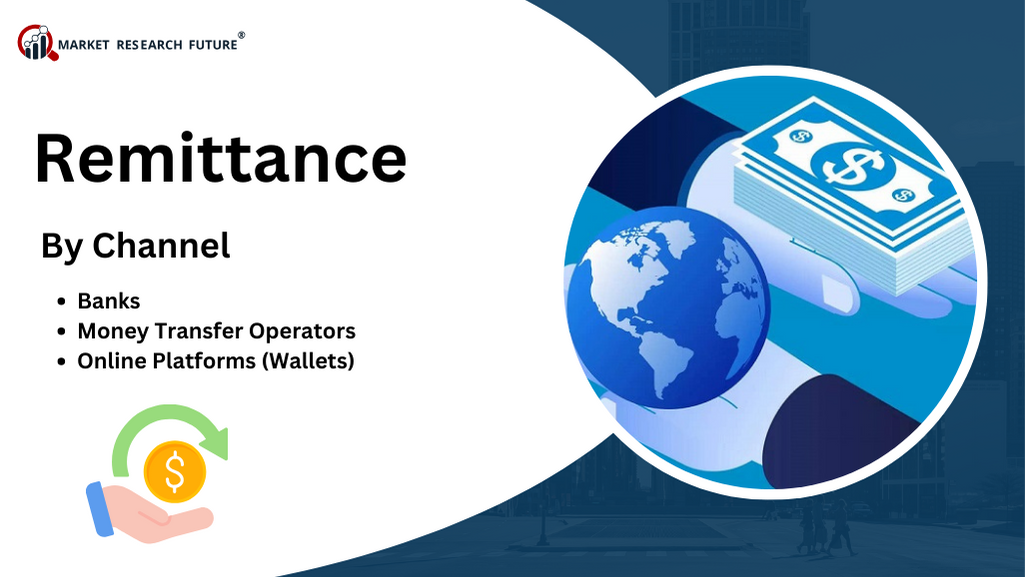
Market analysis also evaluates channel shifts and infrastructure maturity. Digital remittances are growing as smartphones and online banking become more common among senders. Recipient-side digitization—mobile money, digital wallets, and instant payments—has a major impact on delivery speed and cost. Agent networks remain important for cash pickup and cash-in services, especially in rural areas. Many providers operate hybrid models, enabling digital send with cash pickup payout. Analysis also considers settlement and liquidity management, as providers must fund payouts in local currencies and manage FX exposure. Partnerships with local banks, wallet providers, and payment processors are essential. Some providers use APIs and integration layers to connect to multiple payout partners, improving reach. Market analysis highlights that the best providers manage corridor economics and compliance efficiently while delivering good UX. Provider differentiation increasingly comes from transparency, speed, and customer support, especially when competition tightens.
Forward-looking analysis suggests continued digitization and more connected payment rails. As real-time payment systems expand and wallet interoperability improves, settlement speeds may increase and costs may fall. Market analysis also points to increasing value-added services for recipients, such as bill payment, savings tools, and access to credit, using remittance history as an underwriting signal. Regulatory scrutiny will remain high, pushing ongoing investment in compliance automation and fraud prevention. The market may also see consolidation as margin pressure increases and providers seek scale. Market analysis indicates that success will depend on balancing three pillars: low total cost, high reliability, and strong compliance. Providers that invest in transparent pricing, robust risk controls, and broad payout networks will compete effectively across both mature and emerging corridors as remittance volumes remain essential for global households.
Other Exclusive Reports:

 English
 Arabic
 French
 Spanish
 Portuguese
 Deutsch
 Turkish
 Dutch
Dutch
 Russian
 Romaian
 Portuguese (Brazil)
 Greek
Greek