
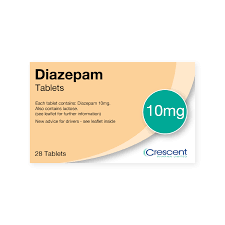
Diazepam is one of the most widely recognised benzodiazepines in clinical medicine and has been used in the UK for several decades to manage a range of neurological and psychiatric conditions. The 10 mg strength represents a higher therapeutic dose and is generally reserved for specific short-term indications under close medical supervision. Because diazepam acts directly on the central nervous system and carries risks of sedation, dependence, and respiratory depression, its prescribing in the UK is tightly regulated and guided by evidence-based clinical standards.
This article provides a detailed overview of diazepam 10 mg in UK clinical practice, its pharmacology, indications, safety profile, risks, and the professional framework that governs its prescription.
1. Introduction to Diazepam
Diazepam belongs to the benzodiazepine class of medicines. These drugs enhance the action of gamma-aminobutyric acid (GABA), the main inhibitory neurotransmitter in the brain. By increasing GABA activity, diazepam reduces excessive neuronal firing, producing:
-
Anxiolytic (anti-anxiety) effects
-
Sedative and hypnotic effects
-
Muscle-relaxant properties
-
Anticonvulsant activity
Because of its broad central nervous system effects, diazepam has a role in several acute and short-term clinical situations but is not generally recommended for long-term routine use.
2. Legal and Regulatory Status in the UK
In the United Kingdom, diazepam is classified as:
-
A Prescription-Only Medicine (POM)
-
A Controlled Drug (Schedule 4, Class C) under the Misuse of Drugs Regulations
This classification reflects its potential for misuse, dependence, and diversion. Prescribers must follow strict guidance regarding:
-
Clinical indication
-
Dose selection
-
Duration of therapy
-
Patient monitoring
-
Documentation and review
Community and hospital pharmacies may only dispense diazepam on receipt of a valid prescription from a registered healthcare professional.
3. Pharmacology and Mechanism of Action
Diazepam is a long-acting benzodiazepine. After oral administration, it is well absorbed and extensively distributed in the body, including the brain. It is metabolised in the liver into active metabolites, which contributes to its prolonged duration of action.
Key pharmacological characteristics include:
-
Rapid onset of anxiolytic and sedative effects
-
Long elimination half-life
-
Accumulation with repeated dosing
-
Enhanced central nervous system depression when combined with alcohol, opioids, or other sedatives
These properties make diazepam effective in acute care but also increase the risk of prolonged sedation and dependence, particularly in older adults.
4. Indications for Diazepam 10 mg in Clinical Practice
In UK clinical settings, diazepam may be prescribed for:
4.1 Severe Anxiety and Acute Distress
Short-term relief of severe, disabling anxiety or agitation when other measures are insufficient. Diazepam 10 mg is generally reserved for more intense symptoms and for brief courses only.
4.2 Muscle Spasm and Spasticity
Used in conditions such as:
-
Acute lower back spasm
-
Neurological spasticity (e.g., multiple sclerosis, spinal cord injury)
Its muscle-relaxant properties help reduce tone and improve comfort.
4.3 Alcohol Withdrawal
Diazepam is a first-line agent in managed alcohol detoxification because of its anticonvulsant and anxiolytic effects, helping prevent withdrawal seizures and delirium tremens.
4.4 Status Epilepticus and Seizure Control
In hospital settings, diazepam may be used intravenously or rectally for emergency seizure management.
4.5 Pre-medication for Procedures
Sometimes used to relieve anxiety and produce sedation before medical or dental procedures.
5. Prescribing Principles in the UK
UK clinical guidelines emphasise that benzodiazepines, including diazepam, should be:
-
Prescribed at the lowest effective dose
-
Used for the shortest possible duration
-
Regularly reviewed for ongoing need
-
Avoided for long-term routine treatment of anxiety or insomnia
A 10 mg dose is usually considered a higher-end therapeutic dose and is generally used:
-
In acute hospital settings
-
During detoxification protocols
-
For short-term crisis management
-
Under specialist supervision
6. Safety Profile and Common Side Effects
Common adverse effects of diazepam include:
-
Drowsiness and sedation
-
Reduced concentration and memory impairment
-
Muscle weakness
-
Dizziness and unsteadiness
-
Slowed reaction times
These effects can impair driving and increase the risk of accidents, particularly in elderly patients.
7. Serious Risks and Adverse Reactions
Although generally safe when used appropriately, diazepam carries important risks:
7.1 Respiratory Depression
High doses or combination with other depressants (opioids, alcohol) can suppress breathing.
7.2 Cognitive and Psychomotor Impairment
Confusion, disorientation, and impaired coordination can occur, especially in older adults.
7.3 Paradoxical Reactions
Rarely, patients may experience agitation, irritability, or aggression instead of sedation.
7.4 Falls and Fractures
Sedation and impaired balance increase fall risk, particularly in the elderly.
8. Dependence, Tolerance, and Withdrawal
One of the most significant clinical concerns with diazepam is the development of dependence.
8.1 Tolerance
Over time, the same dose may produce reduced effect, leading to dose escalation if not carefully controlled.
8.2 Physical Dependence
Regular use for more than a few weeks can lead to physiological adaptation.
8.3 Withdrawal Symptoms
Abrupt discontinuation may cause:
-
Rebound anxiety
-
Insomnia
-
Tremors
-
Sweating
-
Irritability
-
In severe cases, seizures
For this reason, UK guidelines recommend gradual dose reduction (tapering) under medical supervision when discontinuing treatment.
9. Special Patient Groups
9.1 Older Adults
Increased sensitivity, slower drug clearance, and higher risk of falls and cognitive impairment. Lower doses and close monitoring are essential.
9.2 Patients with Liver Disease
Reduced metabolism may lead to accumulation and prolonged sedation.
9.3 Pregnancy and Breastfeeding
Diazepam crosses the placenta and enters breast milk. It is generally avoided unless the clinical benefit clearly outweighs the risks.
9.4 History of Substance Misuse
Benzodiazepines may reinforce addictive behaviours and require careful assessment and monitoring.
10. Drug Interactions
Diazepam interacts with several medication classes, including:
-
Opioid analgesics
-
Antidepressants
-
Antipsychotics
-
Antihistamines
-
Alcohol
Combined use can significantly increase sedation and respiratory depression.
11. Monitoring and Review
In UK practice, patients prescribed diazepam 10 mg are typically:
-
Reviewed frequently
-
Assessed for ongoing need
-
Monitored for signs of misuse or dependence
-
Supported with a clear plan for dose reduction where appropriate
Clinical documentation and patient education are essential parts of safe prescribing.
12. Alternatives and Long-Term Management
For chronic anxiety or muscle conditions, clinicians may consider:
-
Psychological therapies (e.g., cognitive behavioural therapy)
-
Antidepressants for anxiety disorders
-
Physiotherapy for musculoskeletal spasm
-
Non-benzodiazepine antispasmodics
-
Lifestyle and stress-management interventions
These approaches carry lower long-term risk than prolonged benzodiazepine use.
13. Ethical and Professional Responsibility
UK prescribers have a duty to balance:
-
Symptom relief
-
Patient safety
-
Risk of dependence
-
Public health concerns related to diversion and misuse
Controlled prescribing, informed consent, and patient education are central to responsible clinical practice.
14. Conclusion
Diazepam 10 mg remains a valuable medicine in UK clinical practice when used for clearly defined, short-term indications such as severe anxiety, acute muscle spasm, alcohol withdrawal, and seizure control. Its effectiveness is well established, but so are its risks.
Safe use depends on:
-
Careful patient selection
-
Appropriate dosing
-
Limited duration of therapy
-
Ongoing monitoring
-
Gradual withdrawal when treatment ends
Within this framework, diazepam continues to play an important but carefully regulated role in modern medical care, supporting patients through acute phases of illness while minimising the potential for harm.

 English
 Arabic
 French
 Spanish
 Portuguese
 Deutsch
 Dutch
Dutch
 Italiano
 Russian
 Romaian
 Portuguese (Brazil)
 Greek
Greek