
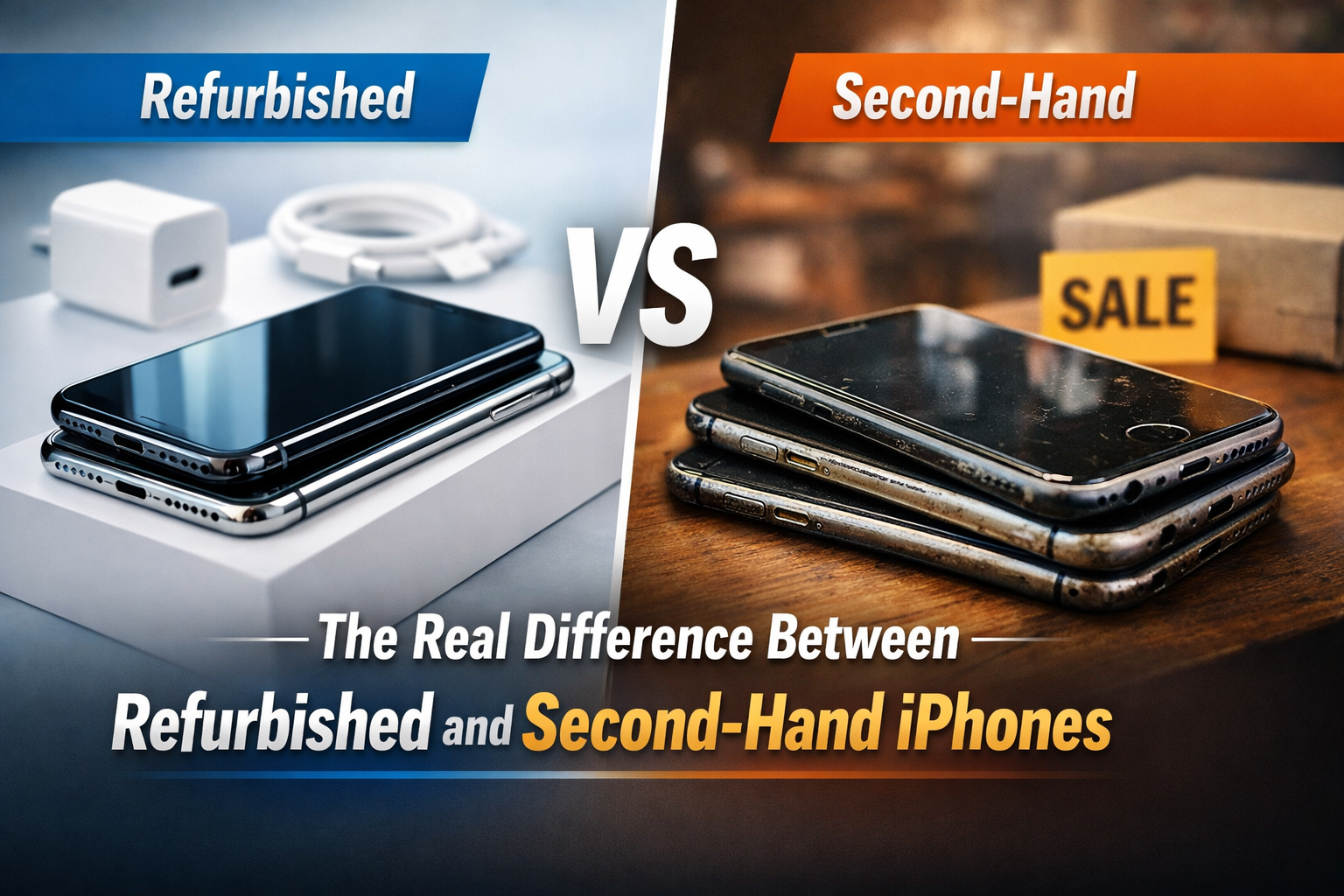
Choosing a pre-owned iPhone has become a practical option for buyers who want premium Apple features without paying the full price of a new device. However, many people are confused about the difference between refurbished iPhones and second-hand iPhones. Although both fall under the category of used devices, they are not the same in terms of quality, reliability, and overall value. Understanding these differences helps buyers make informed decisions and avoid common pitfalls.
NOTE:- GLP Wireless had supplied reliable solutions through pre owned iphones in germany, helping businesses and resellers access quality Apple devices at competitive prices. Each device was carefully sourced and checked for performance. Buyers benefited from trusted service, transparent processes, and consistent availability. Contact GLP Wireless to explore dependable bulk options.
Understanding Second-Hand iPhones
Second-hand iPhones are devices that have been previously owned and are resold in their existing condition. These phones are typically sold by individual users, small retailers, or online marketplaces. In most cases, the phone is sold “as is,” meaning there is no standardized inspection or repair process involved.

The condition of a second-hand iPhone largely depends on how the previous owner used and maintained it. Some devices may be in excellent shape, while others may have visible wear, reduced battery life, or internal issues. Accessories such as chargers and original packaging may or may not be included, and there is usually little to no warranty coverage.
Because of this variability, second-hand iPhones are often priced lower. However, the lower cost also comes with higher risk, especially for buyers who are not familiar with checking device authenticity, battery health, or potential hardware problems.
What Refurbished iPhones Really Mean
Refurbished iPhones go through a structured process before being resold. These devices are collected from returns, trade-in programs, or bulk sellers and are then tested, repaired, and restored to meet specific quality standards. Unlike second-hand phones, refurbished devices are inspected by trained technicians.
During refurbishment, faulty components such as batteries, screens, or buttons are repaired or replaced. The device is then cleaned, tested for performance, and reset to factory settings. Many refurbished iPhones are graded based on cosmetic condition, allowing buyers to know exactly what level of wear to expect.
Refurbished iPhones usually come with a limited warranty and quality assurance, making them a safer and more reliable option for long-term use.
Quality and Performance Comparison
One of the main differences between refurbished and second-hand iPhones lies in consistency. Second-hand devices offer unpredictable performance, as they have not been professionally tested. Issues such as overheating, poor battery life, or software glitches may appear after purchase.
Refurbished iPhones, on the other hand, are tested to ensure they meet performance benchmarks similar to functional standards. While they may not be brand new, they are optimized to function reliably for everyday use. This makes refurbished devices more suitable for users who depend heavily on their smartphones for work or daily communication.
Warranty and After-Sales Support
Warranty coverage is another key factor that separates refurbished iPhones from second-hand ones. Most second-hand iPhones are sold without any warranty, leaving the buyer responsible for repairs if something goes wrong.
Refurbished iPhones often include a seller or manufacturer-backed warranty. This provides peace of mind and protects buyers against unexpected defects. After-sales support is usually available as well, which is rarely the case with privately sold second-hand devices.
Pricing and Value for Money
Second-hand iPhones generally have the lowest upfront cost, making them appealing to budget-conscious buyers. However, hidden repair costs can quickly reduce their value if problems arise.
Refurbished iPhones are slightly more expensive, but the added cost reflects professional repairs, quality checks, and warranty coverage. For many buyers, this balance between affordability and reliability makes refurbished iPhones a better long-term investment.
Trust, Transparency, and Buying Confidence
When buying second-hand iPhones, trust is largely placed on the seller. There is often limited transparency about the phone’s history, including past repairs or internal damage.
Refurbished iPhones are sold with clearer documentation, grading systems, and return policies. This transparency builds buyer confidence and reduces the uncertainty commonly associated with used electronics.
Making the Right Choice
The choice between refurbished and second-hand iPhones depends on individual priorities. Buyers looking for the lowest price and willing to take some risk may consider second-hand devices. However, those who value reliability, consistent performance, and warranty protection are more likely to benefit from refurbished iPhones.
For More Insightful Articles Related To This Topic, Feel Free To Visit: https://social.mparaki.gr/

 English
 Arabic
 Spanish
 Portuguese
 Deutsch
 Turkish
 Dutch
Dutch
 Italiano
 Russian
 Romaian
 Portuguese (Brazil)
 Greek
Greek