
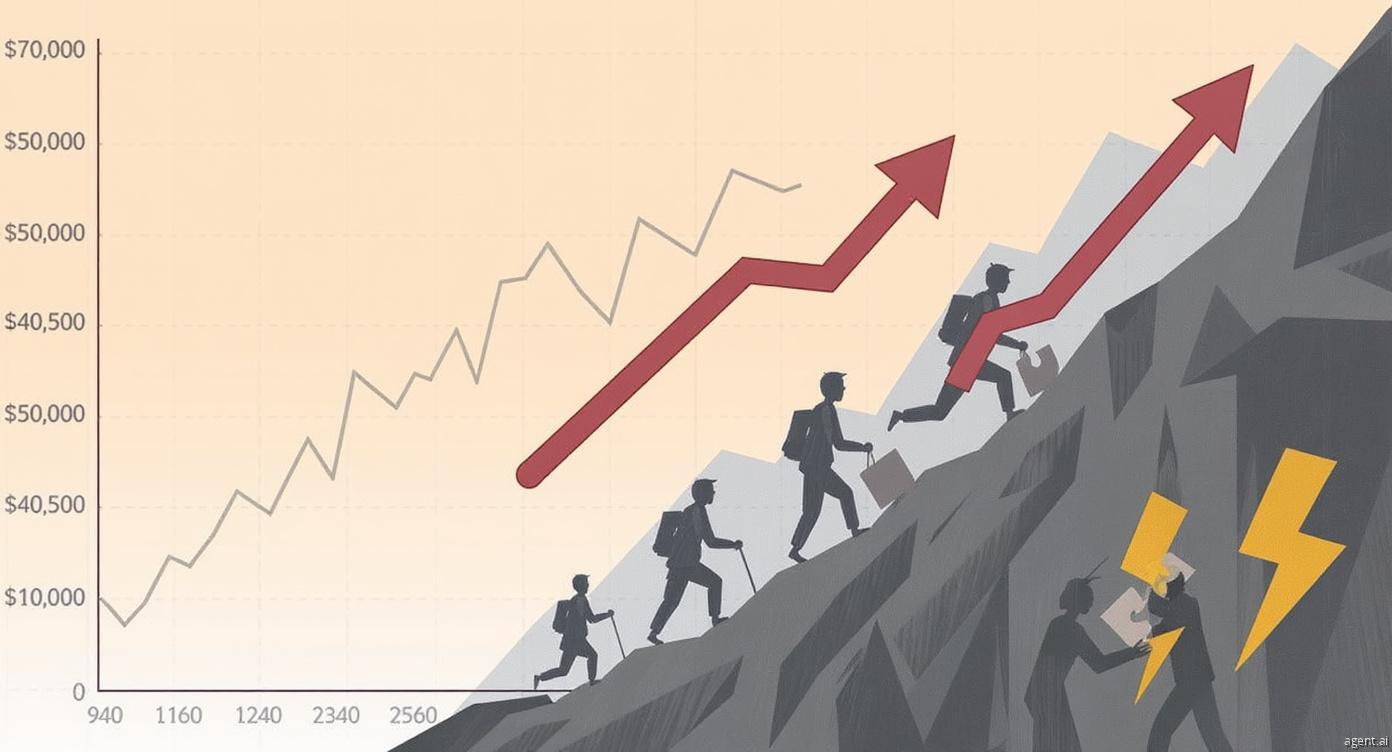
Even the most high-performing sales teams can face sudden declines in performance. When sales win rates collapse, it often signals underlying challenges in processes, team skills, or market alignment. Recognizing the causes early and implementing recovery strategies is essential to maintain revenue growth and team morale.
Early Signs of Declining Sales Win Rates
Before a full decline occurs, several subtle indicators often appear:
-
Deals stalling at critical stages of the sales cycle
-
Longer sales cycles despite consistent outreach
-
Reduced conversion rates from qualified leads
-
Increased objections or delays from prospects
Monitoring these early warning signs with CRM analytics and pipeline reports allows managers to take proactive action, preventing minor issues from escalating into a significant performance drop.
Common Causes Behind Win Rate Declines
Sales win rates can drop for multiple reasons, often working in combination:
-
Lead Quality Issues: Leads that are poorly targeted or outdated reduce conversion potential.
-
Skill Gaps in Sales Teams: Even top performers may lack certain negotiation, objection handling, or product knowledge skills.
-
Process Inefficiencies: Manual workflows, slow follow-ups, and fragmented communication can slow deal closure.
-
Market Shifts and Competitor Pressure: Changes in customer preferences or aggressive competitors can undermine previously successful strategies.
-
Marketing-Sales Misalignment: Disconnected campaigns, messaging, or lead criteria result in wasted effort and missed opportunities.
Understanding these factors helps managers identify the root causes and plan corrective measures effectively.
Streamlining Internal Sales Processes
Inefficient internal processes often contribute to declining win rates. Manual follow-ups, redundant approvals, and inconsistent pipeline management frustrate both sales teams and prospects. Optimizing workflows through CRM automation, structured pipeline stages, and standardized playbooks increases responsiveness, efficiency, and conversion likelihood.
Aligning Marketing and Sales Teams
A misalignment between marketing and sales often contributes to performance drops. Leads that do not meet sales criteria waste time and reduce morale. Coordinating campaigns, sharing metrics, and creating feedback loops ensure marketing generates leads aligned with sales priorities, improving overall win rates.
Customer-Centric Engagement Strategies
Prospects base decisions on how well their needs are understood and addressed. Slow responses, impersonal communication, or generic solutions can erode trust. Sales teams should focus on personalization, active listening, and demonstrating clear value at each stage. Engaging customers meaningfully strengthens relationships and improves the probability of closing deals.
Proven Strategies to Recover Quickly
Recovering from declining sales win rates requires immediate, structured action:
-
Audit Lead Quality: Ensure leads align with the ideal customer profile and prioritize high-potential prospects.
-
Upskill the Sales Team: Conduct targeted training in negotiation, objection handling, and solution selling. Mentorship and role-playing exercises enhance practical skills.
-
Optimize Sales Processes: Automate repetitive tasks, reduce bottlenecks, and maintain pipeline visibility.
-
Enhance Marketing-Sales Alignment: Coordinate campaigns, refine messaging, and maintain feedback loops to ensure lead relevance.
-
Leverage Data Analytics: Analyze pipeline trends, win/loss patterns, and customer engagement metrics to make informed decisions.
These strategies enable teams to regain momentum quickly and build a foundation for long-term success.
Continuous Monitoring and Improvement
After recovery, sustaining high win rates requires ongoing monitoring. Key performance indicators such as conversion rates, deal size, and sales cycle duration provide insights into team performance. Regular coaching, feedback loops, and performance reviews reinforce accountability and ensure consistent improvement.
Leveraging Technology for Predictive Insights
AI-driven CRMs and analytics platforms offer predictive insights, helping sales teams identify at-risk deals, forecast outcomes, and recommend next-best actions. Integrating these tools allows teams to manage pipelines proactively, reducing the likelihood of future win rate declines.
Maintaining a Customer-Focused Approach
Long-term recovery and sustained growth depend on prioritizing the customer. Providing personalized solutions, timely responses, and addressing challenges consistently builds trust and strengthens relationships. Organizations that maintain a customer-centric approach are better equipped to recover quickly from declining win rates and achieve long-term sales success.
Important Insights from This Analysis
Even top-performing sales teams can experience declining win rates due to a combination of skill gaps, process inefficiencies, lead quality issues, market shifts, and misaligned marketing efforts. By identifying the underlying causes, streamlining internal processes, enhancing team capabilities, leveraging data-driven insights, and maintaining a customer-focused approach, businesses can recover rapidly and sustain high-performing sales operations.
At BusinessInfoPro, we empower entrepreneurs, small businesses, and professionals with actionable insights, strategies, and tools to fuel growth. By simplifying complex ideas in business, marketing, and operations, we help you turn challenges into opportunities and navigate today’s dynamic market with confidence. Your success is our mission because when you grow, we grow.

 English
 Arabic
 French
 Spanish
 Deutsch
 Turkish
 Dutch
Dutch
 Italiano
 Russian
 Romaian
 Portuguese (Brazil)
 Greek
Greek