
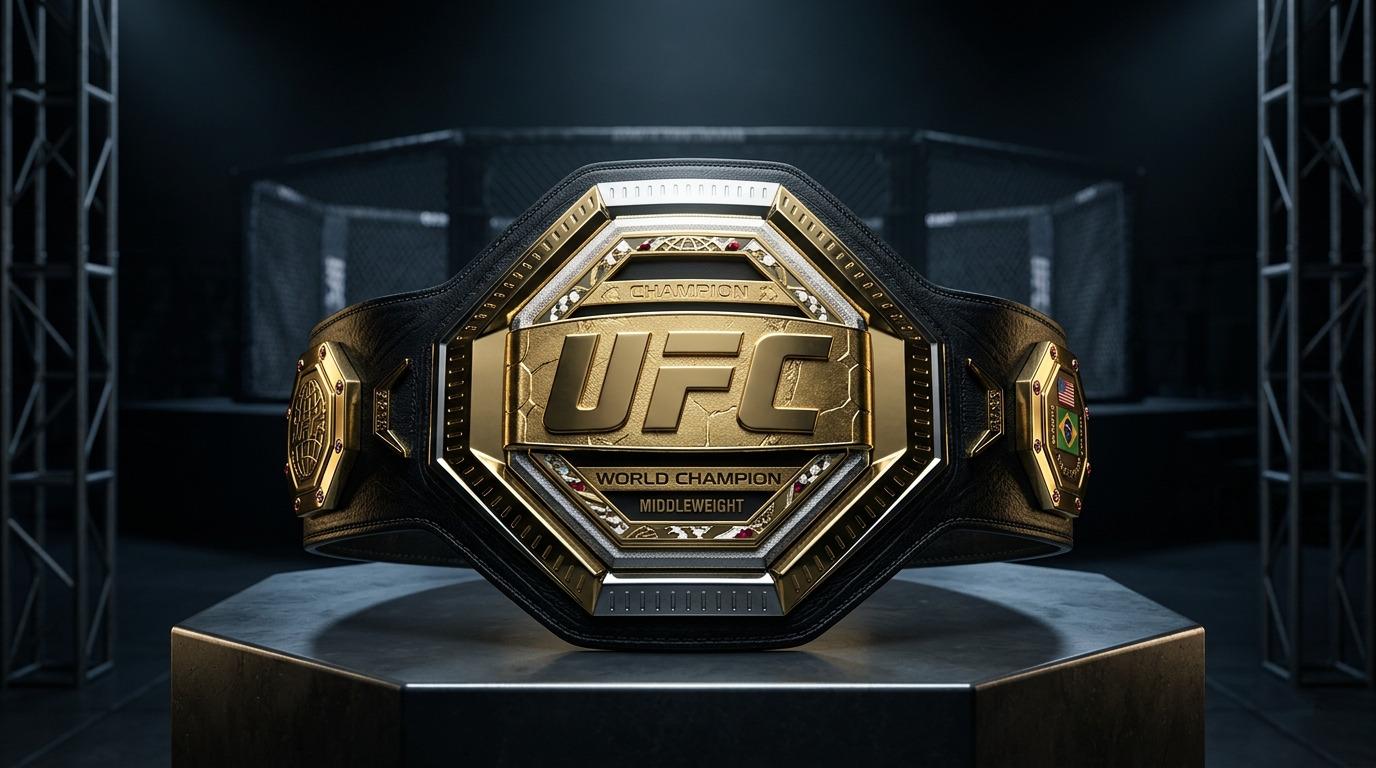
The history of the UFC Championship Belt is a reflection of the sport's journey from a misunderstood spectacle to a sanctioned, global powerhouse. In 2026, the hardware is a sophisticated masterpiece, but its origins were humble and varied. Each iteration of the belt has captured a specific era of the promotion’s identity, from the "Wild West" days of the early tournaments to the corporate professionalism of the modern age. This article explores the design heritage of the UFC gold, examining how the materials and aesthetics have evolved to meet the needs of the elite male warriors who carry them.
The Tournament Era: Trophies and the First Gold (1993–1999)
In the very beginning, there was no standardized belt. Winners of the first several UFC events were awarded trophies and oversized checks. The concept of a "championship belt" was borrowed from boxing and professional wrestling to provide a more recognizable symbol of success.
The Birth of the Original Design
The first belts were relatively simple, featuring brass plates on leather straps:
-
The Circle Design: Early belts often featured circular main plates with basic etching, focusing on the "Ultimate Fighting Championship" text.
-
Brass and Gold Plating: These titles lacked the high-density alloys used in 2026, often showing significant wear and tear after just a few public appearances.
-
Symbolic Beginnings: Even in these early designs, the "Octagon" was a central theme, though it was rendered in a much more rudimentary fashion than the 3D-modeled versions seen today.
The Zuffa "Classic" Era: Establishing the Icon (2001–2018)
When Zuffa LLC purchased the UFC in 2001, they sought to professionalize the look of the organization. This led to the creation of the "Classic" belt, a design that would define the sport’s first major boom period and remain in use for nearly two decades.
Defining the Aesthetic of Greatness
The Classic belt was characterized by its large, gold-plated zinc plates and ornate floral scrollwork:
-
The Weight Increase: For the first time, the belts gained significant physical weight, signaling to the male athletes that they were holding a substantial prize.
-
The "Gold Standard": This era introduced the multi-belt system, where a champion received a new physical belt for every title win or defense, leading to legends like Georges St-Pierre owning closets full of gold.
-
Consistency: The design remained largely unchanged for 17 years, creating a sense of tradition and history that helped the UFC gain mainstream acceptance alongside the NFL and NBA.
The Legacy Revolution: A Modern Masterpiece (2019–2026)
To celebrate its 25th anniversary, the UFC introduced the "Legacy" belt, a radical departure from traditional championship design. This 2026 version is a highly personalized, high-tech artifact that prioritizes the individual fighter’s story.
Shifting the Design Philosophy
The Legacy belt moved away from the "generic" look of the past toward a more integrated branding approach:
-
Octagonal Main Plate: The shape of the main plate was changed to directly mimic the Octagon cage, reinforcing the brand's unique identity.
-
The One-Belt System: In 2026, a male champion no longer receives a new belt for every win; instead, his singular belt is updated with rubies, making the physical object a chronological record of his reign.
-
Precious Materials: The transition from simple plating to 24-karat gold and genuine rubies has elevated the belt into the realm of high-end jewelry, increasing its prestige and historical value.
The Cultural Impact of the Design Shift
The evolution of the belt has had a profound impact on how fans and fighters interact with the promotion's history. In 2026, the belt is seen as a "living document" rather than a static award.
Connecting the Generations
The design heritage allows modern male champions to feel a connection to the pioneers of the sport:
-
The Country Flags: By including the flags of the "founding nations," the 2026 belt pays homage to the international male athletes who built the organization.
-
The Anniversary Lines: The 25 lines on the main plate serve as a permanent history lesson, reminding every champion of the quarter-century of struggle that preceded their success.
-
The Hall of Fame Link: Former champions often display their Classic and Legacy belts side-by-side, showcasing the visual evolution of their own professional journey.
Conclusion
The journey of the UFC Championship Belt from 1993 to 2026 is a story of constant refinement and increasing prestige. What began as a simple brass trophy has transformed into a 10.45-pound icon of metallurgical excellence and global branding. For the male superstars of today, the 2026 Legacy belt is not just a reward for a single fight; it is a personalized artifact that captures their entire career within its gold plates and red rubies. As the UFC looks toward the next decade, the design heritage of the belt will continue to evolve, ensuring that the "gold" remains the ultimate symbol of what it means to be the baddest man on the planet.

 English
 Arabic
 French
 Spanish
 Portuguese
 Deutsch
 Turkish
 Dutch
Dutch
 Italiano
 Russian
 Romaian
 Portuguese (Brazil)