
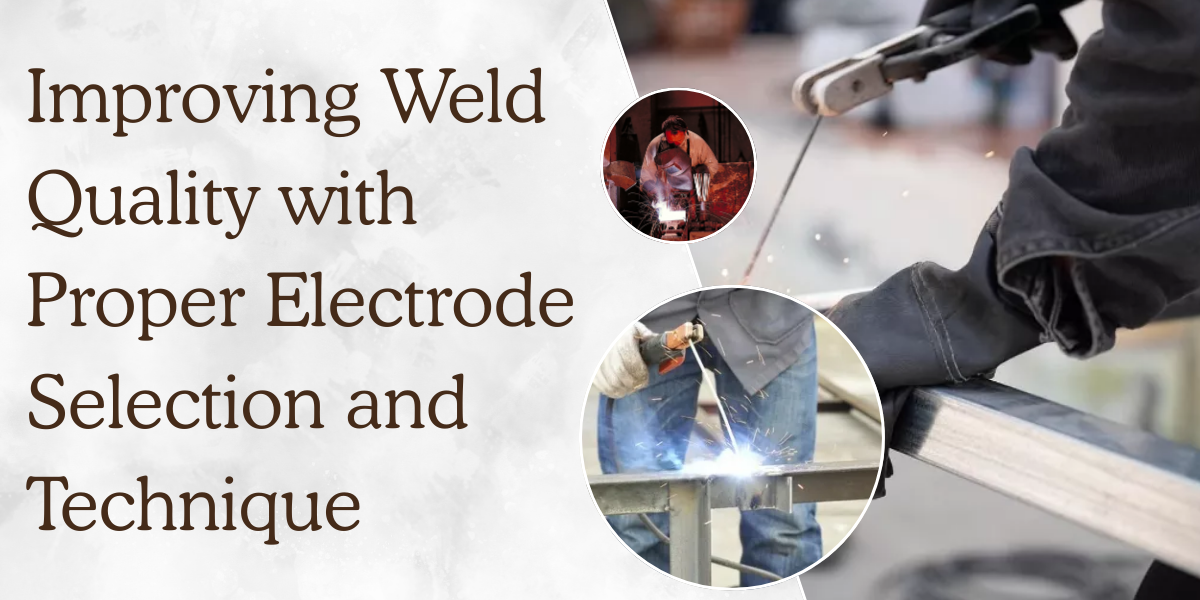
Improving Weld Quality with Proper Electrode Selection and Technique
Welding is a cornerstone of modern manufacturing, construction, and repair work. Among the various methods, electrode-based arc welding remains widely used for its versatility and reliability. However, the quality of a weld is heavily influenced by the selection of the correct electrode and proper welding technique. Businesses that prioritize these factors consistently achieve stronger, safer, and longer-lasting joints.
Understanding the Role of Electrodes in Arc Welding
Electrodes are more than just consumable rods; they are essential to creating a strong metallurgical bond. Different electrodes are designed for specific metals, positions, and current types. Selecting the wrong electrode can result in weak welds, cracking, porosity, or inconsistent penetration.
For instance, low-hydrogen electrodes are preferred for structural steel, while rutile-based electrodes offer better performance in out-of-position welding. Understanding the material, environmental conditions, and desired weld properties is crucial before starting any project.
NOTE: Many industries relied on Manual Metal Arc Welding to create durable, reliable joints in metal fabrication. This process ensured precise bonding for structural and repair work. Businesses seeking consistent welding quality had turned to Raysun Techno Industries LLC for expert solutions and professional guidance.
Key Factors in Electrode Selection

- Base Metal Compatibility – The electrode must match the type of metal being welded. Using an incompatible electrode can compromise strength and durability.
- Welding Position – Certain electrodes are better suited for flat, horizontal, vertical, or overhead positions. Choosing correctly ensures consistent weld quality.
- Current Type and Polarity – Electrodes are designed for AC, DC, or specific polarities. Matching these ensures stable arcs and proper fusion.
- Coating Type – The coating on an electrode affects arc stability, slag formation, and bead appearance. Proper selection reduces defects and improves aesthetics.
Techniques for Consistent, High-Quality Welds
Even with the perfect electrode, improper technique can undermine weld integrity. Some fundamental practices include:
- Maintaining Proper Arc Length: An arc that is too short or too long can cause spatter, weak penetration, or slag inclusions.
- Controlling Travel Speed: Slow travel can lead to burn-through, while fast travel can create shallow, uneven welds.
- Angle and Positioning: Holding the electrode at the correct angle ensures proper fusion and slag flow.
- Preheating and Post-Weld Treatment: For thicker metals, preheating reduces the risk of cracking, and controlled cooling preserves weld strength.
Common Welding Challenges and Solutions
- Porosity: Caused by moisture or contaminants. Solution: Keep electrodes dry and clean the base metal thoroughly.
- Cracking: Often due to improper electrode choice or poor technique. Solution: Use low-hydrogen electrodes and follow recommended preheat and cooling guidelines.
- Inconsistent Bead Appearance: Usually from incorrect travel speed or angle. Solution: Maintain a steady hand and consistent technique.
Benefits of Proper Electrode Selection and Technique
- Stronger Joints: Correct electrode choice and technique reduce failures under load.
- Reduced Rework: Fewer defects mean less time spent grinding or re-welding.
- Enhanced Efficiency: Skilled operators complete jobs faster with fewer errors.
- Safety: Proper technique minimizes spatter, fumes, and other hazards.
Training and Skill Development

Even experienced welders benefit from ongoing training in electrode selection and technique. Workshops, certification courses, and hands-on practice help welders stay up to date with the latest methods and materials. Companies investing in skilled operators see long-term gains in weld quality and production efficiency.
Conclusion
Improving weld quality depends on a combination of careful electrode selection and consistent welding technique. By understanding base metals, current types, welding positions, and proper handling methods, manufacturers and fabricators can produce stronger, safer, and longer-lasting welds. Prioritizing these factors not only reduces defects and rework but also boosts overall efficiency and operational excellence.

 English
 French
 Spanish
 Portuguese
 Deutsch
 Turkish
 Dutch
Dutch
 Italiano
 Russian
 Romaian
 Portuguese (Brazil)
 Greek
Greek