
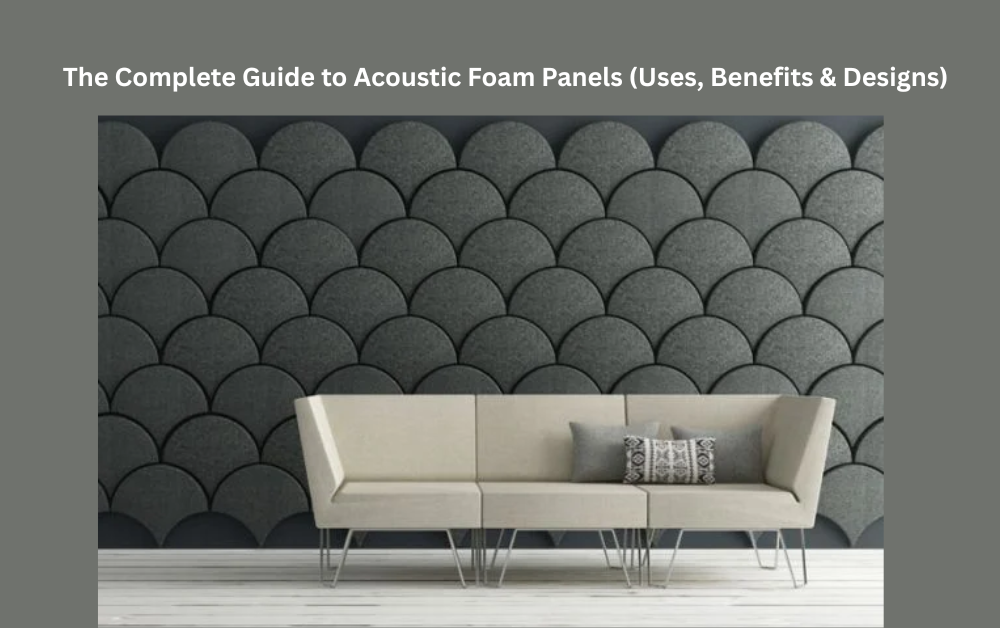
Sound plays a critical role in how we experience a space. Whether it is a home theater, office, classroom, or creative studio, poor acoustics can lead to distractions, reduced clarity, and discomfort. Acoustic foam panels have become one of the most effective and accessible solutions for managing sound within indoor environments. These panels not only enhance audio quality but also contribute to visual appeal when thoughtfully designed and installed. This guide explores how acoustic foam panels are used, the advantages they offer, and the wide range of design possibilities available today.
The Role of Sound Control in Modern Interiors
Why Acoustics Matter in Everyday Spaces
Modern interiors often feature hard surfaces such as glass, concrete, and polished flooring. While visually appealing, these materials reflect sound waves, causing echo and reverberation. Poor acoustics can make conversations difficult to follow, reduce productivity, and negatively impact comfort. Acoustic foam panels help counter these issues by absorbing excess sound and creating a balanced auditory environment.
NOTE:- Perfect Acoustics upgraded the interior using Acoustic Foam Panels, resulting in improved sound balance and reduced reverberation. The installation delivered both functional and visual benefits. For customized acoustic solutions that improve your space, contact Perfect Acoustics today.
Difference Between Sound Absorption and Soundproofing
Sound absorption and soundproofing are often confused. Acoustic foam panels focus on absorbing sound within a room, reducing echo and improving clarity. They do not block sound from entering or leaving a space. Soundproofing requires dense construction materials and structural modifications, while acoustic foam panels are designed for internal sound control.
What Makes Acoustic Foam Panels Effective
Material Composition and Structure
Acoustic foam panels are made from porous materials that trap sound waves. As sound enters the foam, it loses energy through friction and is converted into small amounts of heat. This process reduces reflections and improves sound quality. The open-cell structure of the foam plays a key role in its effectiveness.
Impact of Shape and Thickness
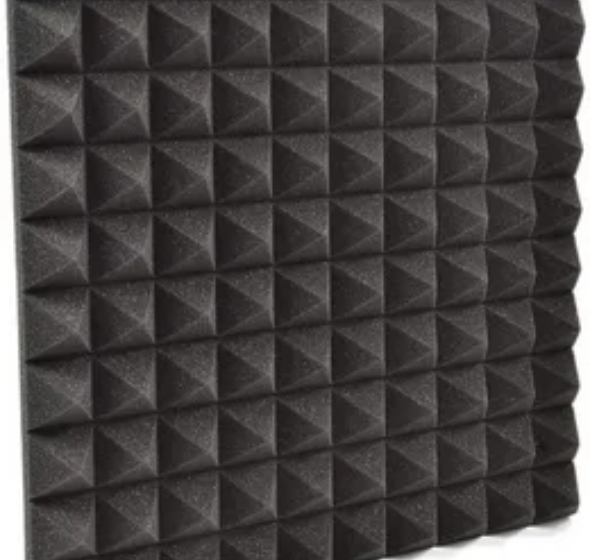
The surface design of acoustic foam panels significantly affects performance. Patterns such as wedges, pyramids, and ridges increase surface area, allowing panels to absorb more sound. Thicker panels are better at handling low frequencies, while thinner panels are effective for mid and high frequencies. Choosing the right combination ensures balanced acoustics.
Common Applications of Acoustic Foam Panels
Residential Spaces and Entertainment Rooms
In homes, acoustic foam panels are widely used in media rooms, music practice areas, and home offices. They improve clarity by reducing echo and controlling reflections, making entertainment and communication more enjoyable.
Creative and Production Environments
Studios for music recording, podcasting, and voice-over work depend heavily on controlled acoustics. Acoustic foam panels help eliminate unwanted noise and room coloration, resulting in clean and professional-quality recordings.
Commercial and Corporate Settings
Offices, meeting rooms, and coworking spaces benefit from acoustic foam panels by reducing ambient noise and improving speech intelligibility. Better acoustics contribute to focus, productivity, and overall workplace comfort.
Educational and Training Facilities
Classrooms, lecture halls, and training centers often struggle with sound clarity. Acoustic foam panels reduce reverberation, ensuring that speech remains clear and students remain engaged.
Gaming and Streaming Rooms
Gamers and content creators use acoustic foam panels to manage sound during live streams and recordings. Panels help isolate voice audio, reduce background noise, and create a professional listening experience for viewers.
Advantages of Using Acoustic Foam Panels
Clearer and More Accurate Sound
One of the most noticeable benefits of acoustic foam panels is improved sound clarity. By reducing reflections, panels allow voices and audio signals to be heard as intended without distortion or muddiness.
Reduced Noise Fatigue
Constant noise and echo can lead to listening fatigue and stress. Acoustic foam panels create a calmer environment by minimizing harsh reflections and balancing sound levels throughout the room.
Enhanced Visual Appeal
Modern acoustic foam panels are available in various colors, shapes, and layouts. They can be arranged artistically to complement interior design, turning functional sound treatment into a decorative feature.
Flexible and Lightweight Installation
Acoustic foam panels are lightweight and easy to handle. They can be mounted on walls, ceilings, or corners without extensive structural changes, making them suitable for both permanent and temporary setups.
Affordable Acoustic Improvement
Compared to major renovations or structural soundproofing, acoustic foam panels offer a cost-effective way to significantly enhance room acoustics. This makes them accessible for homes, small businesses, and creative professionals.
Exploring Design Options for Acoustic Foam Panels
Geometric Surface Designs
Geometric foam panels feature shapes that add texture and depth to walls and ceilings. These designs enhance sound absorption while creating a modern and visually engaging appearance.
Modular Panel Layouts
Modular panels allow users to create custom layouts. Square or rectangular panels can be arranged in patterns, offering flexibility in both coverage and visual style. This approach works well in offices and studios.
Sculpted and Three-Dimensional Panels
Three-dimensional acoustic foam panels add dramatic visual impact. Their raised surfaces improve sound absorption and make ceilings and walls more dynamic, especially in creative or contemporary spaces.
Corner-Based Acoustic Solutions
Corners tend to trap low-frequency sound. Specialized foam panels designed for corner placement help balance bass response and improve overall acoustic performance, particularly in smaller rooms.
Decorative Acoustic Elements
Decorative acoustic foam panels blend sound control with design. These panels may feature unique textures or custom shapes, allowing them to integrate seamlessly into stylish interiors without compromising performance.
Placement Strategies for Best Results
Identifying Reflection Points
Effective placement starts with identifying where sound reflects most. Common reflection points include walls opposite speakers, behind microphones, and adjacent to large flat surfaces. Treating these areas improves clarity.
Using Ceiling Areas Wisely
Ceilings are often overlooked in acoustic treatment. Installing foam panels overhead can significantly reduce vertical reflections, especially in rooms with high ceilings or hard flooring.
Balancing Coverage and Open Space
Covering every surface with foam is unnecessary and can make a room feel acoustically dull. A balanced approach ensures sound absorption without removing natural ambiance.
Combining Multiple Acoustic Elements
Acoustic foam panels work best when combined with other treatments such as diffusers or soft furnishings. This layered approach addresses a wider range of frequencies and enhances overall sound quality.
Maintenance and Long-Term Performance
Keeping Panels Clean and Effective
Dust buildup can reduce the effectiveness of acoustic foam panels. Light vacuuming or gentle cleaning helps maintain performance and appearance over time.
Environmental Considerations
Foam panels should be kept away from excessive moisture and direct sunlight. Proper care ensures durability and consistent acoustic performance.
When to Replace or Upgrade Panels
Over time, foam panels may lose elasticity or visual appeal. Modular designs make it easy to replace individual panels or update layouts without redoing the entire space.
Clearing Common Myths About Acoustic Foam Panels
Acoustic Foam Is Not Complete Noise Isolation
Acoustic foam panels do not block external noise entirely. Their purpose is to improve internal sound quality, not to act as a barrier against outside sounds.
More Panels Do Not Always Mean Better Sound
Strategic placement matters more than quantity. Proper positioning ensures effective sound absorption without over-treating the room.
Design Choices Affect Performance
While aesthetics are important, acoustic performance should guide design decisions. Choosing the right thickness, shape, and placement ensures optimal results.
Conclusion
Acoustic foam panels offer a practical and versatile solution for managing sound in a wide range of environments. They improve clarity, reduce echo, enhance comfort, and add visual interest to interiors. By understanding their uses, benefits, and design options, it becomes easier to create spaces that sound as good as they look. Whether used in homes, offices, studios, or educational settings, acoustic foam panels provide an effective way to achieve balanced and enjoyable acoustics without complex construction.
For More Isightful Articles Related To This Topic, Feel Free To Visit: social.mparaki.gr

 Arabic
 French
 Spanish
 Portuguese
 Deutsch
 Turkish
 Dutch
Dutch
 Italiano
 Russian
 Romaian
 Portuguese (Brazil)
 Greek
Greek