
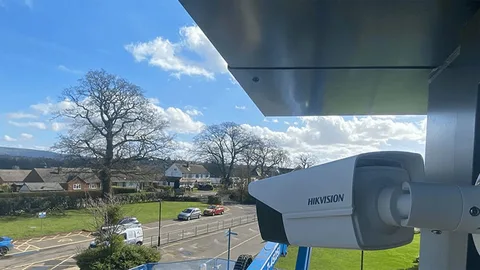
Security has become a top priority for both homeowners and businesses across the UK. With rising concerns about theft, vandalism, and unauthorised access, CCTV installation is one of the most effective ways to protect property, people, and assets. Modern CCTV systems not only deter crime but also provide real-time monitoring, evidence collection, and peace of mind.
This complete guide explains everything you need to know about CCTV installation for homes and businesses in the UK, including system types, installation steps, legal requirements, and best practices.
Why CCTV Installation Is Essential in the UK
Growing Demand for CCTV Systems
Across residential areas, retail stores, offices, and industrial sites, CCTV security systems are widely used to:
-
Deter criminal activity
-
Monitor entrances, exits, and high-risk areas
-
Record evidence for investigations
-
Improve employee and customer safety
With advancements in technology, CCTV is now more affordable, smarter, and easier to manage than ever before.
Benefits for Homes and Businesses
For homeowners, CCTV provides 24/7 surveillance, remote monitoring, and protection against burglary.
For businesses, CCTV supports loss prevention, staff accountability, customer safety, and compliance with insurance requirements.
Types of CCTV Systems Used in the UK
Choosing the right system is the foundation of a successful CCTV installation.
Analogue CCTV Systems
Analogue cameras are a traditional option that use coaxial cables and DVRs. They are reliable and cost-effective but offer limited resolution compared to newer systems.
IP (Internet Protocol) CCTV Systems
IP CCTV systems transmit footage over a network and offer:
-
High-definition video quality
-
Remote viewing via smartphones and computers
-
Advanced features such as motion detection and analytics
These systems are widely used in modern home and business CCTV installations.
Wireless CCTV Systems
Wireless CCTV cameras reduce the need for extensive cabling and are ideal for:
-
Residential properties
-
Small offices
-
Temporary installations
However, they still require a power source and a stable internet connection.
Planning a CCTV Installation
Assessing Security Needs
Before installation, it’s important to evaluate:
-
Property size and layout
-
High-risk areas (doors, windows, car parks, stock rooms)
-
Lighting conditions
-
Indoor vs outdoor surveillance needs
This assessment ensures cameras are placed strategically for maximum coverage.
Choosing the Right Camera Types
Common camera options include:
-
Dome cameras for discreet indoor monitoring
-
Bullet cameras for visible outdoor deterrence
-
PTZ cameras for large commercial areas
-
Infrared cameras for night surveillance
Each camera type serves a specific purpose depending on the environment.
CCTV Installation Process Explained
Step 1: Camera Placement and Positioning
Correct positioning is critical. Cameras should be installed:
-
At optimal heights to avoid tampering
-
Away from direct sunlight and glare
-
Covering entry points and blind spots
Professional installers ensure clear angles and legal compliance.
Step 2: Cabling and Power Setup
Depending on the system, installation may involve:
-
Ethernet or coaxial cabling
-
Power supplies or PoE (Power over Ethernet)
-
Secure routing to prevent cable damage
Neat and secure cabling improves system reliability and appearance.
Step 3: Recording and Storage Configuration
Footage is stored using:
-
DVRs or NVRs
-
Cloud-based storage
-
Hybrid storage solutions
Storage capacity should match recording duration and video quality requirements.
Legal Requirements for CCTV Installation in the UK
Understanding CCTV Laws and Privacy Rules
UK CCTV installations must comply with:
-
The Data Protection Act
-
UK GDPR
-
The Surveillance Camera Code of Practice
These laws apply mainly when cameras capture public spaces or areas beyond private property.
Key Legal Responsibilities
-
Inform people that CCTV is in use (signage required)
-
Use cameras only for legitimate security purposes
-
Avoid unnecessary recording of public areas
-
Store footage securely and delete it when no longer needed
Failure to comply can lead to fines and legal issues.
Home CCTV Installation: What You Need to Know
Best Locations for Residential Cameras
For homes, cameras are commonly installed at:
-
Front and rear entrances
-
Driveways and garages
-
Side access points
-
Garden or backyard areas
Indoor cameras may also be used for monitoring entrances or valuables.
Smart Home Integration
Modern home CCTV systems can integrate with:
-
Mobile apps
-
Smart doorbells
-
Alarm systems
This allows homeowners to receive instant alerts and monitor their property remotely.
Business CCTV Installation: Key Considerations
CCTV for Commercial Properties
Businesses use CCTV for:
-
Theft and fraud prevention
-
Monitoring staff activity
-
Improving customer safety
-
Meeting insurance and compliance requirements
Retail stores, warehouses, offices, and hospitality venues all benefit from tailored systems.
Employee Privacy and Workplace CCTV
Employers must:
-
Inform employees about CCTV usage
-
Avoid monitoring private areas (toilets, break rooms)
-
Use footage responsibly
Transparency helps maintain trust and legal compliance.
Maintenance and Ongoing Support
Why CCTV Maintenance Matters
Regular maintenance ensures:
-
Clear video quality
-
Proper camera alignment
-
Functional recording and storage
-
Reduced system downtime
Dust, weather exposure, and software updates can impact performance if ignored.
Routine Checks and Servicing
Recommended maintenance includes:
-
Cleaning camera lenses
-
Checking cables and power supplies
-
Updating firmware
-
Testing recording systems
Professional servicing extends system lifespan and reliability.
Why Professional CCTV Installation Is Recommended
While DIY systems exist, professional CCTV installation in the UK offers:
-
Expert system design
-
Correct camera placement
-
Legal compliance guidance
-
Reliable performance and warranties
A professionally installed system provides better coverage, fewer faults, and long-term value.
Conclusion: Securing Homes and Businesses with CCTV
CCTV installation is one of the most effective ways to enhance security for homes and businesses across the UK. By choosing the right system, following proper installation practices, and complying with UK laws, property owners can protect their assets, deter crime, and gain peace of mind.
Whether you’re securing a family home or a commercial property, investing in a professionally designed CCTV security system ensures reliable protection today and into the future.

 English
 Arabic
 French
 Spanish
 Portuguese
 Turkish
 Dutch
Dutch
 Italiano
 Russian
 Romaian
 Portuguese (Brazil)
 Greek
Greek