
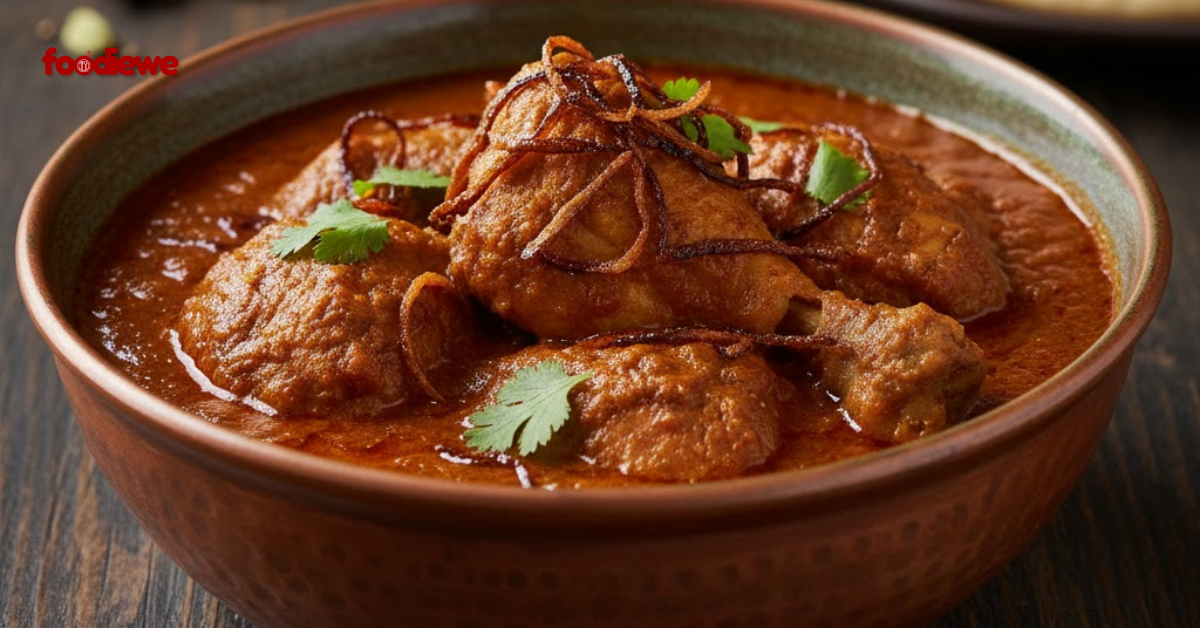
Chicken Shahi Korma is one of those dishes that brings the royal taste of Mughlai cuisine right to your kitchen table. This creamy, nutty delight, also known as Murgh Shahi Korma, features tender chicken pieces swimming in a rich gravy made from fried onions, yogurt, and aromatic spices. If you're new to making Shahi Korma or just want to perfect your skills, these practical tips will help you nail it every time.
Why Chicken Shahi Korma Stands Out
Shahi Korma gets its name from the word "shahi," meaning royal, because it was a favorite in Mughal palaces. Unlike everyday curries, it skips tomatoes and relies on nuts and dairy for that luxurious texture. Research shows this style of cooking dates back to the 16th century, when Persian influences blended with Indian spices to create something truly indulgent. Today, it's loved for its balance of mild flavors and high protein from bone-in chicken, making it a hit for family dinners.
What makes Murgh Shahi Korma special is its simplicity despite the fancy feel. You don't need rare ingredients—just everyday pantry staples like ginger-garlic paste, Kashmiri red chili powder, garam masala, and turmeric powder. Start with 500 grams of bone-in chicken for authentic flavor, as the bones release extra taste during simmering.
Choosing the Right Chicken
For the best Chicken Shahi Korma, pick bone-in, skinless chicken cut into curry pieces. The bones keep the meat juicy and add depth to the gravy, something boneless cuts can't match. Fresh chicken absorbs the marinade better, so avoid frozen if possible. A tip from traditional recipes: marinate with 3 tablespoons of thick yogurt or coconut milk, 1 tablespoon ginger-garlic paste, 1 teaspoon Kashmiri red chili powder, 3/4 teaspoon garam masala, 1/4 teaspoon turmeric powder, and 1/2 teaspoon salt. Let it rest for 30 minutes—or overnight in the fridge for deeper flavor.
If you're feeling adventurous, swap in lamb for lamb Shahi Korma. Lamb works great because it handles long cooking well, but chicken is easier and quicker for beginners. Always pat the chicken dry before marinating to help spices stick.
Mastering the Onion-Cashew Paste
The heart of any good Shahi Korma is the onion-cashew base. Slice 1 cup of onions (about 2 medium ones) and fry them in 1.5 tablespoons of ghee or oil with 2-3 green cardamoms until golden brown—this takes 10-12 minutes. Add 10 cashews (or almonds) in the last minute, then cool and blend with 1/4 cup yogurt into a smooth paste. Patience here is key; undercooked onions make the gravy taste raw.
Pro tip: Use a high-speed blender for that silky texture. If it's too thick, add a splash of hot water. This paste not only thickens the gravy but also brings natural sweetness, reducing the need for extra sugar. Studies on Indian cooking highlight how frying onions releases glutamates, boosting umami without overpowering spices.
Frying and Simmering Secrets
Heat 1-2 tablespoons more ghee, toss in slit green chilies and the marinated chicken, and fry for 5-7 minutes until it changes color. Stir in your onion-cashew paste, 1/2 cup hot water, 1/2 teaspoon garam masala, 1.5 teaspoons coriander powder, and a pinch more Kashmiri chili powder for color. Bring to a boil, then simmer covered for 18-22 minutes until the chicken is tender.
Don't rush the simmer—low heat lets flavors meld. Check doneness by poking a piece; it should feel soft. If the gravy splits, whisk in a bit more yogurt off the heat. For extra richness, finish with 2 tablespoons chopped cilantro. This step ensures your Korma Shahi tastes like it cooked for hours.
Common Mistakes to Avoid
Many home cooks burn the onions or skip marination, ending up with bland results. Another pitfall: too much water, which dilutes the creaminess. Stick to 1/2 cup and adjust later. Also, use full-fat yogurt to prevent curdling—low-fat versions release whey and split the gravy. If you're vegan, coconut milk swaps in perfectly for dairy.
Over-spicing is a no-go; start light with garam masala since it intensifies. Taste as you go. Research from food historians notes that Mughlai recipes thrived on balance, not heat, which is why Kashmiri chili is ideal—color without fire.
Healthy Twists and Variations
Chicken Shahi Korma is nutritious with protein-packed chicken and healthy fats from cashews. Nuts provide glutathione-boosting antioxidants, great for skin health—perfect if you're into wellness like many food lovers. For a lighter version, use half ghee and half oil, or air-fry the onions first.
Try lamb Shahi Korma for special occasions; it needs 10 extra simmering minutes. Or go veg with paneer for a twist on Navratan Korma vibes. Serve with naan or jeera rice to soak up the gravy. Leftovers taste even better the next day as spices settle.
Serving and Storage Tips
Garnish with fresh cilantro and a drizzle of cream for that restaurant look. Pair with mild sides to let the flavors shine. Store in an airtight container in the fridge for up to 3 days; reheat gently with a splash of water. Freezes well for a month—thaw overnight before warming.
These tips turn Murgh Shahi Korma into a foolproof dish. Whether it's your first try or you're tweaking a family recipe, focus on fresh ingredients and steady heat. You'll have guests asking for seconds, promising that royal Mughal magic at home. Happy cooking.

 English
 Arabic
 French
 Spanish
 Portuguese
 Deutsch
 Turkish
 Dutch
Dutch
 Italiano
 Romaian
 Portuguese (Brazil)
 Greek
Greek