
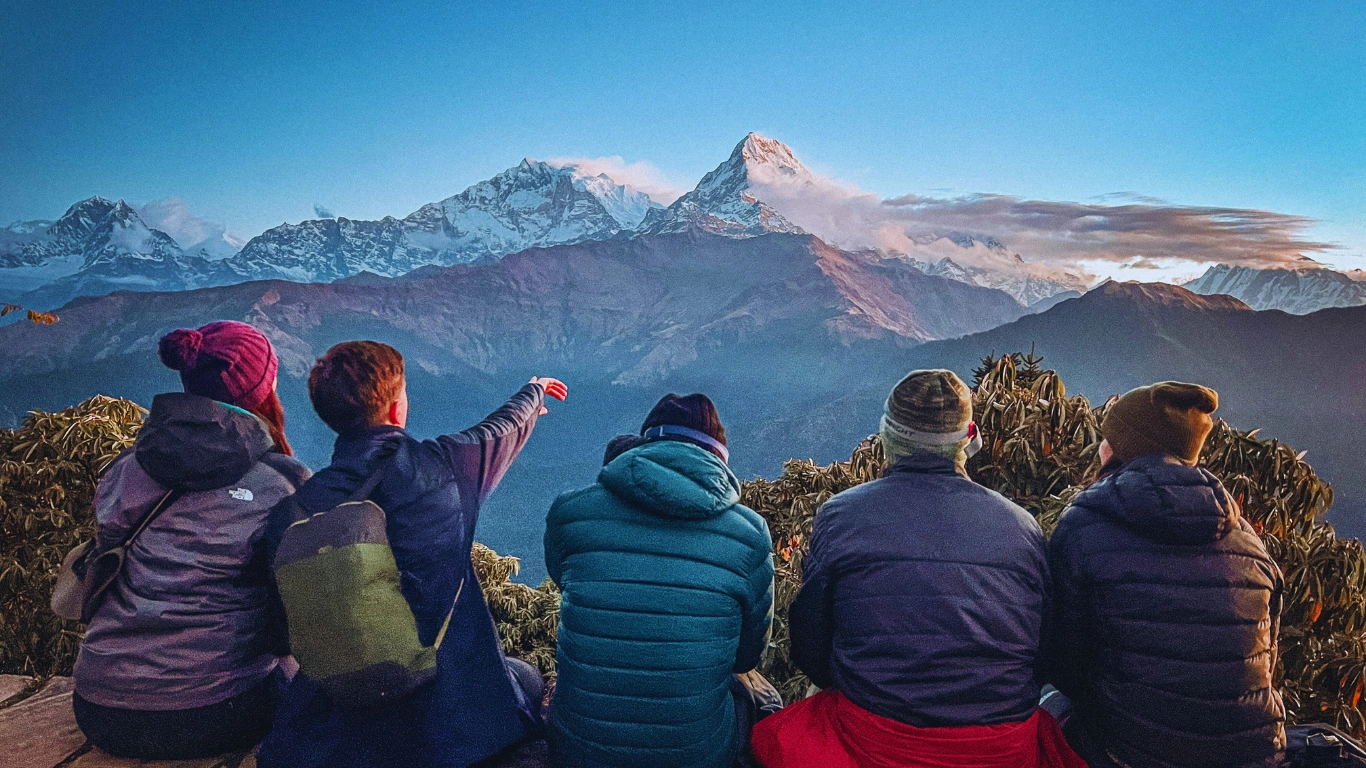
Nepal isn’t just a trekking destination — it’s the global heart of Himalayan adventure. From legendary routes like Everest Base Camp and Annapurna Base Camp to peaceful village trails and wild national park expeditions, trekking in Nepal offers something no other country can: towering mountains, deep-rooted culture, and trails shaped by centuries of pilgrimage and trade.
After years of guiding trekkers across Nepal’s diverse regions, one truth stands out — the “best trek in Nepal” depends on you: your time, fitness, experience, and what you want from the mountains. This complete guide will help you choose the perfect route, understand seasons and permits, and trek Nepal safely and confidently.
Why Nepal Is the World’s Best Trekking Destination
Nepal contains 8 of the world’s 14 highest mountains, yet offers trails accessible to beginners, families, and first-time trekkers. What makes Nepal unique is not just altitude — it’s the combination of:
-
Teahouse trekking infrastructure
-
Living mountain cultures
-
Protected national parks
-
Affordable logistics
-
Incredible scenery every single day
In most trekking regions, you walk from lush forests to glaciers in days, passing monasteries, yak pastures, suspension bridges, and stone villages untouched by roads. Few places on Earth offer this depth of experience on foot.
Best Treks in Nepal (Top Himalayan Routes)
These are Nepal’s most rewarding trekking routes, covering beginner-friendly classics to epic high-altitude adventures.
1. Everest Base Camp Trek
-
Duration: 12–14 days
-
Max altitude: 5,364m
-
Difficulty: Moderate to challenging
-
Best season: March–May, September–November
-
Best for: Iconic Himalayan experience
The Everest Base Camp trek is the world’s most famous trekking journey. You follow ancient Sherpa trading trails through Namche Bazaar, Tengboche Monastery, and glacier valleys beneath Everest, Lhotse, and Nuptse. The reward isn’t just reaching Base Camp — it’s sunrise at Kala Patthar, yak caravans, and life inside the Khumbu region.
2. Annapurna Base Camp Trek
-
Duration: 7–12 days
-
Max altitude: 4,130m
-
Difficulty: Moderate
-
Best season: February–May, September–November
-
Best for: Dramatic mountain amphitheaters
Annapurna Base Camp delivers massive Himalayan views without extreme altitude. You trek through terraced farms, bamboo forests, and alpine valleys before standing inside a glacier bowl surrounded by Annapurna I, Machhapuchhre, and Hiunchuli — one of Nepal’s most beautiful natural settings.
3. Langtang Valley Trek
-
Duration: 7–10 days
-
Max altitude: 4,984m (Tserko Ri)
-
Difficulty: Moderate
-
Best season: March–May, September–November
-
Best for: Culture, glaciers, fewer crowds
Langtang offers one of Nepal’s best short high-altitude experiences close to Kathmandu. The valley blends Tamang culture, alpine scenery, yak pastures, and glacier viewpoints with far fewer trekkers than Everest or Annapurna.
4. Manaslu Circuit Trek
-
Duration: 14–18 days
-
Max altitude: 5,160m (Larkya La Pass)
-
Difficulty: Challenging
-
Best season: March–May, September–November
-
Best for: Remote adventure without extreme isolation
Manaslu is one of Nepal’s best alternatives to Annapurna Circuit, offering raw Himalayan scenery, Tibetan Buddhist culture, and a thrilling high pass crossing — all while remaining quieter than Nepal’s mainstream routes.
5. Mardi Himal Trek
-
Duration: 5–8 days
-
Max altitude: 4,500m
-
Difficulty: Moderate
-
Best season: February–May, September–November
-
Best for: Short high-altitude views
Mardi Himal is one of Nepal’s best short treks, delivering close-up views of Machhapuchhre, Annapurna South, and Hiunchuli without long itineraries or crowds. It’s ideal for travelers with limited time who still want alpine drama.
6. Ghorepani Poon Hill Trek
-
Duration: 3–5 days
-
Max altitude: 3,210m
-
Difficulty: Easy to moderate
-
Best season: Year-round (except peak monsoon)
-
Best for: First-time trekkers and short trips
This classic short trek offers sunrise views over Annapurna and Dhaulagiri ranges and is one of Nepal’s best beginner treks. It’s perfect for families, older trekkers, or travelers wanting mountain scenery without high altitude risk.
7. Upper Mustang Trek
-
Duration: 12–14 days
-
Max altitude: 4,200m
-
Difficulty: Moderate
-
Best season: April–October (rain-shadow region)
-
Best for: Tibetan culture and desert landscapes
Upper Mustang feels like stepping into ancient Tibet. With caves, monasteries, wind-carved cliffs, and walled villages, it’s one of Nepal’s most culturally fascinating treks — and one of the few great monsoon trekking regions.
8. Kanchenjunga Base Camp Trek
-
Duration: 20–24 days
-
Max altitude: 5,143m
-
Difficulty: Very challenging
-
Best season: March–May, September–November
-
Best for: Hardcore remote trekking
Kanchenjunga is one of Nepal’s wildest and least-traveled trekking routes. This expedition-style trek offers untouched landscapes, traditional Limbu and Rai villages, and massive Himalayan wilderness for experienced trekkers seeking solitude.
9. Dolpo Trek (Upper or Lower)
-
Duration: 18–28 days
-
Max altitude: 5,190m
-
Difficulty: Very challenging
-
Best season: May–October
-
Best for: Extreme remoteness and Tibetan plateau landscapes
Dolpo is Nepal’s last frontier. Trekking here feels like crossing into another world — high-altitude deserts, turquoise lakes like Phoksundo, and villages where Tibetan traditions remain untouched by modern tourism.
Best Treks in Nepal for Beginners
If you’re new to trekking or want a safer, easier Himalayan experience, these routes offer stunning scenery without extreme altitude or technical difficulty.
1. Ghorepani Poon Hill Trek (3–5 Days)
The most popular beginner trek in Nepal — short, scenic, culturally rich, and accessible year-round.
2. Mardi Himal Short Trek (5–7 Days)
Offers real alpine views without long itineraries. Ideal for travelers wanting big mountains in limited time.
3. Langtang Valley Trek (7–10 Days)
Perfect for first-time high-altitude trekking with excellent acclimatization profiles and cultural depth.
4. Dhampus–Australian Camp Trek (2–3 Days)
Best for families and soft adventures, with easy trails and panoramic views near Pokhara.
5. Helambu Trek (5–7 Days)
A gentle trek north of Kathmandu featuring Sherpa villages, monasteries, and forested trails.
👉 Local tip: Beginners should choose treks staying below 4,500m and with teahouse access. These routes reduce altitude risk while still delivering true Himalayan landscapes.
Trekking in Nepal National Parks
Nepal’s best trekking routes lie inside protected conservation areas and national parks, preserving wildlife, culture, and mountain ecosystems.
Sagarmatha National Park
Home to Mount Everest and the Khumbu region, featuring glaciers, monasteries, and Sherpa culture.
Annapurna Conservation Area
Nepal’s largest protected area, covering Annapurna Base Camp, Annapurna Circuit, Mardi Himal, and Poon Hill treks.
Langtang National Park
Offers glacier valleys, alpine meadows, Tamang culture, and accessible wilderness near Kathmandu.
Makalu Barun National Park
One of Nepal’s most biodiverse regions, featuring remote trekking routes beneath Makalu — the world’s fifth-highest peak.
Shey Phoksundo National Park
Located in Dolpo, known for turquoise Phoksundo Lake, Tibetan culture, and high-altitude desert landscapes.
Rara National Park
Home to Nepal’s largest lake, offering peaceful forest walks and off-the-beaten-path trekking.
These protected areas ensure sustainable trekking, preserve mountain ecosystems, and support local communities.
Trekking in Nepal Without a Guide — What You Must Know
Independent trekking in Nepal used to be common, but regulations have changed. Many regions now require licensed guides, especially conservation areas and restricted regions.
Even where solo trekking is still allowed, guided trekking offers:
-
Safer navigation
-
Better acclimatization management
-
Cultural insight
-
Emergency support
-
Support for local livelihoods
👉 Expert advice: If it’s your first trek in Nepal or you’re trekking above 4,000m, go with a licensed guide. It significantly reduces altitude illness risk and enhances your experience.
Best Time for Trekking in Nepal
Nepal offers trekking year-round, but seasons affect scenery, crowd levels, and trail conditions.
🌸 Spring (March–May)
-
Blooming rhododendron forests
-
Clear skies
-
Ideal for Everest, Annapurna, Langtang
🍂 Autumn (September–November)
-
Best overall weather
-
Sharp mountain views
-
Peak trekking season
❄️ Winter (December–February)
-
Clear skies at lower altitudes
-
Cold nights, snow at high passes
-
Best for short and lower-elevation treks
🌧️ Monsoon (June–August)
-
Lush landscapes and waterfalls
-
Fewer trekkers
-
Best for rain-shadow regions like Upper Mustang and Dolpo
👉 Local insight: Monsoon trekking transforms Nepal into emerald valleys and roaring waterfalls — and offers peaceful trails in regions most trekkers never experience.
How to Choose the Right Trek in Nepal
Choosing the perfect Nepal trek depends on five key factors:
1. Time Available
-
3–5 days → Poon Hill, Dhampus
-
7–10 days → Mardi Himal, Langtang
-
12–18 days → Everest Base Camp, Manaslu
-
20+ days → Dolpo, Kanchenjunga
2. Fitness & Experience
-
Beginners → Poon Hill, Langtang
-
Intermediate → Annapurna Base Camp, Mardi Himal
-
Advanced → Manaslu, Everest Three Passes, Dolpo
3. Altitude Comfort
If you’ve never been above 4,000m, start lower before attempting Everest or high passes.
4. Budget
Short treks cost significantly less than remote or restricted-region expeditions.
5. Experience Type
-
Culture-focused → Upper Mustang, Langtang
-
Classic Himalayan → Everest, Annapurna
-
Remote wilderness → Dolpo, Kanchenjunga
Permits, Costs & Trekking Logistics
Required Permits
-
TIMS Card (most treks)
-
National Park / Conservation Area Permits
-
Restricted Area Permits (Manaslu, Upper Mustang, Dolpo, Kanchenjunga)
Typical Trekking Costs
-
Short treks (3–7 days): USD 400–900
-
Medium treks (8–14 days): USD 900–1,600
-
Remote treks (15+ days): USD 2,000–4,500+
Costs depend on duration, guide/porter support, permits, accommodation type, and region.
Essential Trekking Tips from a Local Expert
-
Walk slow, drink more, sleep low — the golden rule for altitude safety
-
Pack light — heavy bags ruin long days
-
Never ignore headache or nausea — descend early
-
Carry cash — ATMs exist only in major towns
-
Respect local culture — dress modestly and ask before photos
-
Travel insured — helicopter evacuation coverage is essential
👉 Biggest mistake I see: Trekkers rushing itineraries. In Nepal, slow travel equals safe travel — and better mountain views.

 English
 Arabic
 French
 Spanish
 Portuguese
 Deutsch
 Turkish
 Italiano
 Russian
 Romaian
 Portuguese (Brazil)
 Greek
Greek