
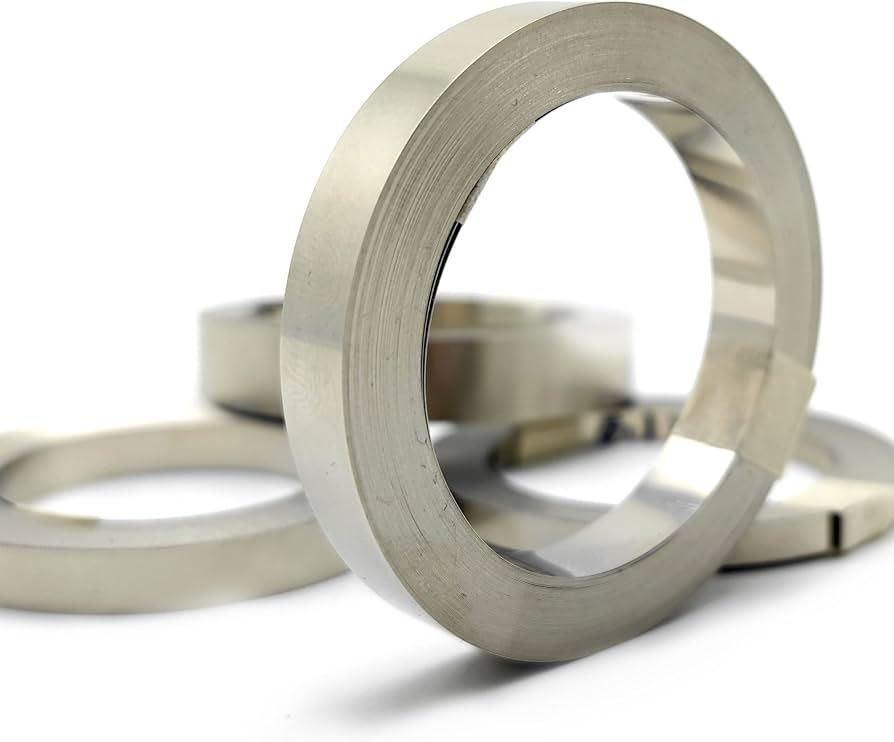
Lithium Strip is a thin, flat form of lithium metal that plays a crucial role in modern energy storage and industrial applications. As the lightest metal on the periodic table, lithium is known for its high electrochemical potential and excellent conductivity. Because of these properties, lithium strips are widely used in battery manufacturing, laboratory research, and advanced technology sectors.
What is a Lithium Strip?
A lithium strip is a narrow ribbon or foil made from high-purity lithium metal. It has a soft texture and a silvery-white appearance. Due to its highly reactive nature, especially with air and moisture, lithium strips must be handled and stored carefully in controlled environments, often under mineral oil or inert gas conditions.
Key Properties of Lithium Strip
Lithium strips offer several important characteristics that make them valuable in various industries:
-
Lightweight Material: Lithium is the lightest solid element, making it ideal for portable energy solutions.
-
High Energy Density: It can store a large amount of energy relative to its weight.
-
Excellent Electrical Conductivity: Supports efficient power transfer in batteries and electronic systems.
-
High Reactivity: Makes it suitable for electrochemical reactions but requires careful handling.
Applications of Lithium Strip
1. Battery Manufacturing
Lithium strips are primarily used as anode materials in lithium-metal and advanced battery technologies. They are essential in research and development of high-performance batteries used in electric vehicles (EVs), smartphones, laptops, and medical devices.
2. Research and Development
In laboratories, lithium strips are commonly used for electrochemical testing and experimental purposes. Researchers use them to study new battery technologies and material improvements.
3. Electronics Industry
Lithium strips help power compact and high-efficiency electronic devices. Their lightweight nature makes them ideal for modern portable electronics.
4. Alloy Production
Lithium is sometimes added to metals such as aluminum to produce lightweight alloys used in aerospace and specialized industrial components.
Advantages of Using Lithium Strip
-
Improves battery performance and lifespan
-
Reduces overall device weight
-
Supports renewable energy storage solutions
-
Enables development of next-generation energy systems
Safety and Handling
Because lithium is highly reactive, proper safety measures are essential. Lithium strips should be stored in dry, sealed containers and handled with protective gloves and equipment. Exposure to moisture can cause fire hazards or chemical reactions.
Conclusion
Lithium Strip is a vital material in today’s technology-driven world. From powering electric vehicles to supporting advanced research, its importance continues to grow. As demand for efficient and sustainable energy solutions increases, lithium strips will remain a key component in the development of future energy storage systems.

 Arabic
 French
 Spanish
 Portuguese
 Deutsch
 Turkish
 Dutch
Dutch
 Italiano
 Russian
 Romaian
 Portuguese (Brazil)
 Greek
Greek