
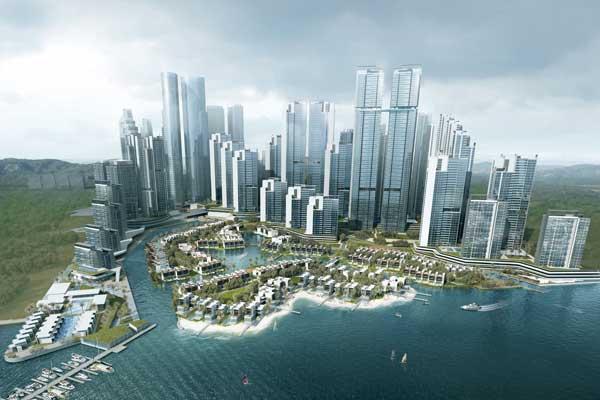
The real estate industry has undergone significant transformation in recent years as cities expand and populations grow. Urban planners and developers are increasingly focusing on building communities that combine convenience, sustainability, and long-term value. Modern residential developments are no longer just about providing housing; they aim to create integrated living environments that enhance quality of life while meeting the demands of modern urban residents.
As global cities continue to develop, real estate projects are becoming more sophisticated in their planning and execution. From smart home technology to improved transportation networks, contemporary developments reflect a shift toward more connected and lifestyle-oriented living spaces. These trends are shaping the future of residential communities across many metropolitan regions.
The Shift Toward Lifestyle-Oriented Housing
One of the most noticeable trends in modern real estate is the shift from purely functional housing toward lifestyle-oriented living. Buyers today are not only interested in the size or price of a property; they also consider how a development supports their daily lifestyle.
Developers are responding by incorporating a wide range of facilities within residential projects. Swimming pools, fitness centers, landscaped gardens, co-working spaces, and recreational areas are now commonly integrated into new developments. These amenities help create a balanced environment where residents can work, relax, and socialize within the same community.
This lifestyle-focused approach is particularly attractive to young professionals and families who value convenience and a sense of community. By providing multiple services within the same development, residents can enjoy a more efficient and comfortable daily routine.
Importance of Location and Connectivity
Location has always been one of the most important factors in real estate, but its importance has increased even further in modern urban environments. Developments located near major transportation systems, commercial hubs, and public infrastructure tend to attract stronger buyer interest.
Access to public transit systems such as metro stations, rail networks, and bus routes significantly improves commuting efficiency. For many urban residents, being able to reach workplaces, educational institutions, and shopping districts quickly is a major deciding factor when choosing a property.
In addition to public transportation, road connectivity also plays a crucial role. Proximity to major highways and expressways allows residents to travel conveniently across different parts of the city. This combination of accessibility and mobility often leads to higher property demand and stronger long-term value.
Green Spaces and Environmental Design
Another key feature of modern real estate developments is the emphasis on green spaces and environmentally friendly design. Urban residents increasingly value access to nature and outdoor recreation. As a result, developers are integrating landscaped gardens, parks, and eco-friendly design elements into residential projects.
Green spaces contribute to both physical and mental well-being by providing areas for exercise, relaxation, and social interaction. Walking paths, cycling tracks, and open lawns allow residents to stay active while enjoying natural surroundings.
Sustainable building practices are also becoming more common. Many developments now include energy-efficient lighting, water-saving systems, and environmentally responsible construction materials. These features not only reduce environmental impact but can also lower long-term maintenance and utility costs for residents.
Smart Technology in Residential Communities
Technology has become a central component of modern housing developments. Smart home systems allow residents to control lighting, temperature, security systems, and household appliances through digital platforms or mobile applications.
These technologies improve convenience and provide greater control over home environments. For example, residents can adjust air conditioning remotely, monitor security cameras, or automate lighting schedules. Smart systems also contribute to energy efficiency by optimizing power consumption based on usage patterns.
In addition to individual units, many developments also integrate smart management systems across the entire property. These systems can manage access control, parking facilities, and building maintenance, improving operational efficiency and security.
Community-Oriented Living
Another emerging trend in residential real estate is the concept of community-oriented living. Developers are designing spaces that encourage interaction and social engagement among residents.
Shared facilities such as lounges, community gardens, rooftop terraces, and co-working spaces create opportunities for people to connect with their neighbors. These areas help foster a sense of belonging and strengthen community relationships within the development.
Community-focused design is particularly important in high-density urban environments where people often live close together but may have limited opportunities for social interaction. By creating spaces that bring residents together, developers can improve overall satisfaction and quality of life within the community.
Investment Potential in Emerging Residential Districts
Real estate investors are increasingly interested in properties located in emerging urban districts. These areas often benefit from large-scale government planning initiatives, infrastructure improvements, and new transportation networks.
When a district is undergoing transformation, early property developments in the area may experience significant appreciation over time. As infrastructure improves and more services are introduced, demand for housing typically increases.
Investors often evaluate several factors before purchasing property in these areas, including connectivity, future development plans, proximity to commercial centers, and overall neighborhood growth potential. Developments that combine strong location advantages with modern amenities are generally considered more attractive investment opportunities.
Influence of Urban Planning on Property Value
Urban planning plays a critical role in shaping the long-term success of residential developments. Government initiatives such as new transit lines, road expansions, waterfront revitalization projects, and commercial districts can dramatically increase the attractiveness of certain areas.
Well-planned urban districts usually include a balanced mix of residential housing, commercial spaces, schools, healthcare facilities, and recreational areas. This integrated approach ensures that residents have access to essential services within a convenient distance.
When infrastructure and amenities are thoughtfully planned, property values tend to remain stable and may grow steadily over time. Buyers and investors often monitor urban planning strategies closely when evaluating potential real estate opportunities.
Future of Residential Real Estate
The future of residential real estate is expected to focus even more on sustainability, technology, and community-centered design. Developers are exploring new ways to make housing more efficient, environmentally responsible, and adaptable to changing lifestyles.
Mixed-use developments that combine residential, commercial, and recreational spaces are likely to become more common. These projects create vibrant neighborhoods where people can live, work, and spend leisure time without traveling long distances.
Additionally, the integration of digital technologies will continue to improve building management, security, and energy efficiency. As cities evolve and new technologies emerge, residential developments will increasingly reflect the changing needs of urban populations.
Conclusion
Modern real estate developments are transforming the way people experience urban living. With a focus on lifestyle amenities, strong connectivity, sustainable design, and smart technology, contemporary housing projects are designed to provide more than just accommodation.
Important Links
Is buying a new launch condo in Singapore worth it in 2026
What should you check before booking a condo showflat in Singapore
Is Bayshore a Good Location to Buy Property in Singapore
What Is the Best Time to Buy a New Launch Condo in Singapore
How Does MRT Connectivity Affect Condo Prices in Singapore
Which District Has Highest Property Price in Singapore
Property Market Outlook Singapore Next 5 Years
How to Build a Property Portfolio in Singapore
How to Build a Property Portfolio in Singapore

 English
 French
 Spanish
 Portuguese
 Deutsch
 Turkish
 Dutch
Dutch
 Italiano
 Russian
 Romaian
 Portuguese (Brazil)
 Greek
Greek