
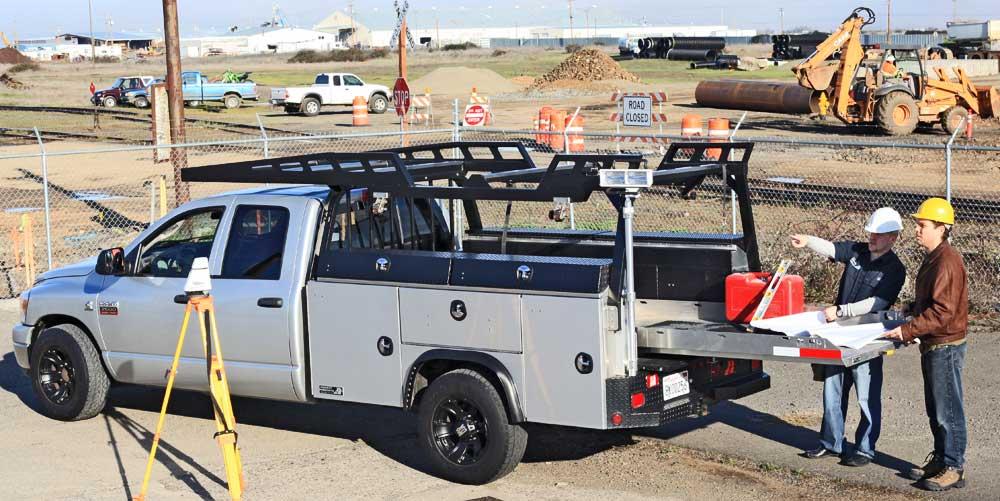
Construction in Dubai moves fast. Sites scale up overnight, material deliveries pile up before equipment arrives, and logistics gaps can stall entire project timelines. For contractors managing multiple teams and shifting workloads, owning a full fleet of vehicles rarely makes financial sense. Understanding how to source, manage, and negotiate rental trucks keeps projects moving without overcommitting capital.
Why Contractors Prefer Renting Over Buying
Purchasing trucks outright ties up significant budget in depreciating assets. A new commercial pickup in the UAE can cost anywhere between AED 80,000 and AED 160,000 depending on configuration. That figure doesn't include registration, insurance, maintenance, or downtime costs when a unit goes off-road for repairs.
Contractors working on time-bound projects benefit more from flexibility. A pickup for rent in Dubai allows teams to scale vehicle count based on active project phases. When one phase wraps, you return the unit. No storage, no idle asset, no ongoing registration fees.
This model suits both small subcontractors and large construction firms operating across multiple zones in Dubai, Sharjah, and Abu Dhabi.
Fleet Rental Options for Construction Companies
Not all rental providers structure commercial fleet contracts the same way. Understanding your options helps you negotiate better terms and avoid unexpected costs.
Short-Term Rentals (Daily / Weekly) Best suited for urgent material deliveries or peak-load periods. Rates are higher per day but require no long-term commitment.
Monthly Contracts The most practical option for active construction projects. Monthly rates drop significantly compared to daily pricing. Most providers offer dedicated fleet management support at this tier.
Long-Term Lease Agreements (6–24 Months) Ideal for contractors with ongoing project pipelines. These agreements often include maintenance packages, replacement guarantees, and branded vehicle options.
When evaluating commercial pickup hire Dubai providers, confirm whether the rate includes insurance, what the mileage policy covers, and whether 24/7 breakdown support is available on site.
RTA Weight and Load Regulations You Must Know
Dubai's Roads and Transport Authority enforces strict payload and load regulations for commercial vehicles. Violating these rules results in fines, vehicle impoundment, and project delays.
Key points every contractor must understand:
-
Light commercial pickups (standard 1-ton category) are permitted for loads up to 1,000 kg
-
Overloading by even a small margin triggers automatic fines at weigh stations and smart camera checkpoints
-
Loads must be secured and must not extend beyond the truck bed's rear without proper marking
-
Hazardous materials require separate permits regardless of vehicle size
-
Sand, gravel, and construction debris transported on public roads require covered or contained loads
RTA inspections on active construction corridors have increased in recent years. Site managers should brief drivers on load limits before each shift. A single overloaded trip can result in fines that exceed the cost of renting an additional vehicle for the week.
Permit Requirements for Construction Vehicles in Dubai
Beyond standard registration, construction vehicles operating within designated project zones or on restricted roads need specific permits.
NOC from the Developer or Main Contractor
Any subcontractor vehicle entering a gated project site typically requires a No Objection Certificate from the developer or principal contractor. This is an internal requirement, not an RTA one, but it affects access on nearly every major development in Dubai.
Dubai Municipality Vehicle Entry Permits
Vehicles transporting construction waste or excavated material require permits from Dubai Municipality. These are project-specific and time-bound.
Salik and Toll Compliance
Commercial vehicles operating in Dubai must carry registered Salik tags. Rental providers usually include this, but always confirm. Unregistered vehicles accumulate toll violations that get billed back to the renter.
Special Vehicle Movement Permits
For oversized loads, crane support vehicles, or vehicles exceeding standard axle weight, a Special Vehicle Movement Permit from RTA is mandatory. These permits are route-specific and must be applied for at least 3–5 working days in advance.
Insurance Coverage for Commercial Use
Standard personal vehicle insurance does not cover commercial operations. This distinction matters enormously for construction contractors.
When renting trucks for site use, the insurance policy must explicitly cover:
-
Commercial use and goods transport
-
Third-party liability during loading and unloading
-
Driver coverage for any licensed employee (not just a named driver)
-
Damage resulting from site access roads and uneven terrain
Providers like RCD Rent a Car Dubai offer commercial fleet packages that include comprehensive insurance tailored to construction and logistics use. Always request the insurance certificate before deployment and confirm that your specific cargo type is covered.
If the rental provider's insurance excludes site-specific risks, you may need to arrange supplementary cover through your project insurance broker.
Negotiating Monthly Contracts: What to Ask For
Monthly fleet contracts give contractors cost predictability. But the base rate is rarely the final price without negotiation.
Before signing, clarify the following:
-
Mileage cap: Most monthly contracts include 3,000–5,000 km. Construction vehicles often exceed this. Negotiate a higher cap or agree on a per-km excess rate upfront.
-
Driver substitution policy: On construction sites, multiple drivers operate the same vehicle. Confirm the policy allows unlimited licensed drivers rather than restricting to named individuals.
-
Replacement guarantee: If a vehicle breaks down, how quickly is a replacement provided? Get this in writing. A 4-hour maximum response time is standard for professional fleet providers.
-
Early termination terms: Project timelines change. Understand the exit clauses before committing to a 6-month contract.
-
Maintenance responsibility: Monthly contracts usually include scheduled maintenance, but confirm who covers tyres, batteries, and consumables.
Cost Savings: Renting vs. Buying a Fleet
A mid-size construction contractor running 5 pickups on a 12-month project illustrates the cost difference clearly.
| Cost Element | Buying (per truck) | Renting (per truck/month) |
| Upfront cost | AED 120,000 | AED 0 |
| Monthly repayment / rental | AED 3,200 | AED 2,800–3,400 |
| Maintenance | AED 400–600/month | Included |
| Insurance | AED 350–500/month | Included |
| Resale uncertainty | High depreciation | Not applicable |
Over a 12-month project, renting eliminates registration fees, maintenance uncertainty, and residual value risk. At project end, you return the vehicles. If the project extends, you extend the contract. The flexibility alone justifies the model for most short-to-medium duration projects.
Matching the Right Truck to Your Site Requirements
Not every construction application needs the same vehicle. Matching payload capacity to actual site tasks avoids both overspending on oversized vehicles and violating load regulations with undersized ones.
-
1-ton standard pickups: Tool transport, small materials, crew movement between sites
-
2-ton heavy-duty pickups: Steel bars, piping, heavy equipment components
-
Flatbed configurations: Long materials like timber, scaffolding, and pipes that exceed standard bed dimensions
-
Crew-cab pickups: Supervisor vehicles and teams that transport both personnel and light equipment simultaneously
A clear vehicle-to-task mapping before project mobilisation prevents mid-project changes that disrupt logistics planning.
Final Thoughts for Construction Contractors
Rental is not just a stopgap when you can't afford to buy. For construction operations in Dubai, it's often the smarter long-term strategy. It keeps your balance sheet clean, your compliance obligations manageable, and your fleet size aligned with actual project demand. The contractors who execute this well treat fleet rental as a logistics function, not an afterthought.

 Arabic
 French
 Spanish
 Portuguese
 Deutsch
 Turkish
 Dutch
Dutch
 Italiano
 Russian
 Romaian
 Portuguese (Brazil)
 Greek
Greek