
Introduction
The liver is one of the hardest-working organs in your body. It processes nutrients, removes toxins, and helps regulate metabolism. But what happens when fat and excess iron start building up in the liver at the same time?
This condition, often described as fatty liver with high iron levels, can silently damage the liver over time. Many people don't even realize something is wrong until routine blood tests show abnormal liver enzymes or high iron markers.
Think of your liver like a kitchen sponge. Normally, it absorbs and releases substances efficiently. But if too much fat and iron accumulate, that sponge becomes overloaded and stops working properly.
In this article, we’ll explore what fatty liver with high iron means, why it happens, potential health risks, and how it can be managed or treated.
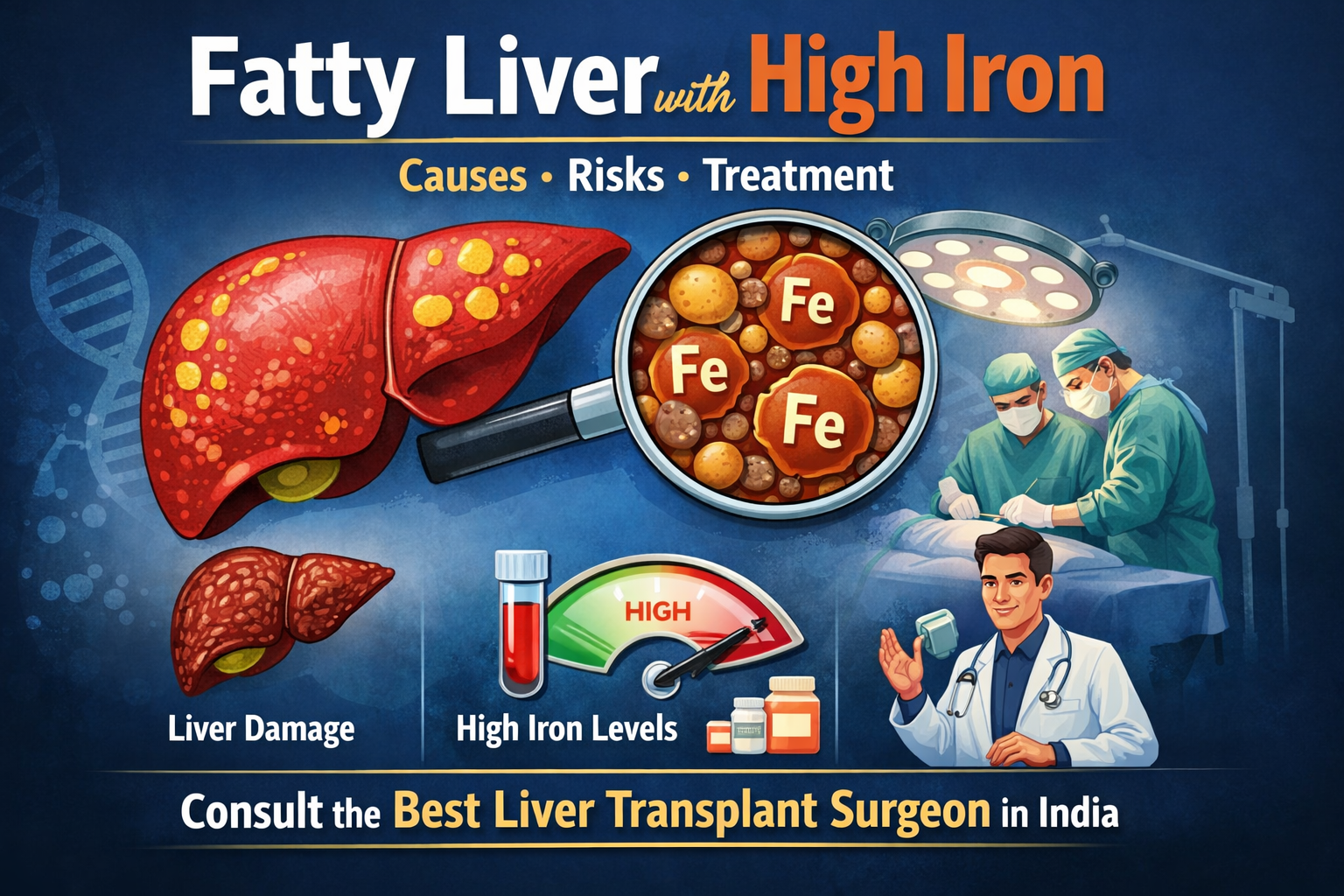
Fatty liver with high iron can damage the liver. Learn causes, treatment options, and when to consult the best liver transplant surgeon in india
1. Understanding Fatty Liver Disease
Fatty liver disease happens when excess fat accumulates in liver cells. In healthy individuals, the liver contains very little fat. However, when fat levels rise above normal, it can interfere with liver function.
There are two main types:
Non-Alcoholic Fatty Liver Disease (NAFLD)
Occurs in people who drink little or no alcohol. It is commonly linked to:
-
Obesity
-
Diabetes
-
High cholesterol
-
Metabolic syndrome
Alcoholic Fatty Liver Disease
Caused by heavy alcohol consumption over time.
Fatty liver often develops silently. Many people only discover it during a routine ultrasound or blood test.
2. What Does High Iron in the Liver Mean?
Iron is an essential mineral. Your body needs it to produce hemoglobin and transport oxygen in the blood. But too much iron can become harmful.
When iron accumulates excessively in the liver, it can lead to iron overload. Over time, this may cause inflammation, scarring, and liver damage.
Some common markers doctors check include:
-
Serum ferritin
-
Transferrin saturation
-
Serum iron levels
If these markers are high, doctors may investigate further to understand the cause.
3. How Fat and Iron Build Up Together
You might wonder: Why would fat and iron increase in the liver at the same time?
Researchers have found that metabolic problems often trigger both conditions.
For example:
-
Obesity increases fat storage in liver cells.
-
Inflammation alters iron metabolism.
-
Liver cells may begin storing extra iron.
This combination is sometimes referred to as Dysmetabolic Iron Overload Syndrome (DIOS).
Think of it like traffic congestion in a city. When too many vehicles (fat and iron) crowd the same roads (liver cells), the entire system slows down.
4. Causes of Fatty Liver with High Iron
Several factors may lead to this condition.
Common causes include:
1. Obesity and metabolic syndrome
People with excess weight often develop fatty liver and altered iron metabolism.
2. Type 2 diabetes
Insulin resistance affects both fat storage and iron regulation.
3. Genetic disorders
Conditions like hemochromatosis cause the body to absorb too much iron.
4. Chronic inflammation
Inflammatory signals can increase ferritin levels.
5. Excess alcohol intake
Alcohol damages liver cells and disrupts iron metabolism.
Understanding the root cause is essential because treatment depends on it.
5. Symptoms You Should Watch For
In the early stages, fatty liver with high iron may not cause noticeable symptoms.
However, as liver damage progresses, symptoms may include:
-
Fatigue
-
Abdominal discomfort on the right side
-
Unexplained weight loss
-
Weakness
-
Yellowing of the skin or eyes (jaundice)
-
Swelling in legs or abdomen
Because symptoms appear late, regular health checkups are extremely important.
6. How Doctors Diagnose This Condition
Doctors use several tests to confirm fatty liver with high iron.
Blood tests
These check liver enzymes and iron markers:
-
ALT
-
AST
-
Ferritin
-
Transferrin saturation
Imaging tests
-
Ultrasound
-
CT scan
-
MRI
These help detect fat accumulation in the liver.
Liver biopsy
In some cases, doctors may take a small liver tissue sample to confirm inflammation, fat buildup, and iron deposits.
7. Risks and Complications
If untreated, fatty liver with high iron can lead to serious complications.
These include:
Non-Alcoholic Steatohepatitis (NASH)
Inflammation and liver cell damage.
Liver fibrosis
Scar tissue forms in the liver.
Cirrhosis
Severe scarring that permanently damages liver function.
Liver cancer
Once cirrhosis develops, the risk of liver cancer increases significantly.
8. Lifestyle Changes That Help
The good news? Many cases of fatty liver can improve with lifestyle changes.
Weight loss
Losing even 5–10% of body weight can reduce liver fat.
Regular exercise
Aim for:
-
30 minutes of walking
-
cycling
-
swimming
at least five days per week.
Limit alcohol
Alcohol places extra stress on the liver and should be avoided or minimized.
Manage diabetes and cholesterol
Controlling blood sugar and lipid levels helps reduce liver damage.
9. Diet Tips to Lower Liver Fat and Iron
Your diet plays a huge role in liver health.
Foods to include
-
Leafy green vegetables
-
Whole grains
-
Fruits
-
Lean protein
-
Nuts and seeds
Foods to limit
-
Fried foods
-
Sugary beverages
-
Processed snacks
-
Red meat (in excess)
Some doctors also recommend reducing high-iron foods if iron overload is significant.
Drinking coffee in moderation may even help protect the liver.
10. Medical Treatments Available
Lifestyle changes are the first line of treatment. However, some patients may require medical therapy.
Possible treatments include:
Iron reduction therapy
Doctors may recommend phlebotomy, a procedure that removes blood to reduce iron levels.
Medications
Some drugs help manage:
-
insulin resistance
-
cholesterol
-
inflammation
Vitamin E
In certain cases, vitamin E may help reduce liver inflammation.
Always follow your doctor's advice before taking supplements.
11. When Does Liver Damage Become Severe?
Fatty liver becomes dangerous when it progresses to cirrhosis.
Signs of severe liver damage include:
-
Ascites (fluid in abdomen)
-
Variceal bleeding
-
Confusion due to toxin buildup
-
Severe fatigue
At this stage, the liver may struggle to perform essential functions.
12. Can Liver Transplant Be Necessary?
Yes, in advanced cases, a liver transplant may become the only effective treatment.
This happens when:
-
Cirrhosis becomes irreversible
-
Liver failure develops
-
Liver cancer occurs
A transplant replaces the damaged liver with a healthy donor organ.
Patients seeking treatment often consult the best liver transplant surgeon in india, as India has several world-class transplant centers with advanced expertise.
13. How to Prevent Fatty Liver and Iron Overload
Prevention is always better than treatment.
You can reduce risk by:
-
Maintaining a healthy weight
-
Exercising regularly
-
Limiting alcohol
-
Eating a balanced diet
-
Monitoring iron supplements
-
Managing diabetes and cholesterol
Regular health checkups also help detect liver problems early.
14. Importance of Early Detection
Fatty liver and iron overload often develop quietly.
Routine tests such as:
-
Liver function tests
-
Iron profile tests
-
Ultrasound
can identify the problem before serious damage occurs.
Early treatment can reverse fatty liver and prevent complications.
15. Long-Term Outlook for Patients
The outlook for people with fatty liver and high iron depends on how early the condition is detected and managed.
Many patients recover fully with:
-
weight loss
-
healthy diet
-
proper medical care
However, untreated cases can progress to serious liver disease.
The key is consistent monitoring and lifestyle improvements.
Conclusion
Fatty liver with high iron may sound complicated, but the core issue is simple: the liver is overloaded with substances it cannot handle effectively.
If ignored, this overload can gradually damage liver cells and lead to serious complications like cirrhosis or liver failure. But with early diagnosis, lifestyle changes, and proper medical treatment, many people can stop the disease from progressing.
Taking care of your liver today is like maintaining the engine of a car. Regular servicing keeps it running smoothly for years to come.
If liver disease becomes severe, consulting the best liver transplant surgeon in india can provide advanced treatment options and renewed hope.
FAQs
1. Can fatty liver cause high iron levels?
Yes. Fatty liver disease can disrupt normal iron metabolism, leading to elevated ferritin and iron storage in the liver.
2. Is high ferritin always a sign of iron overload?
Not always. Ferritin can rise due to inflammation, infection, liver disease, or metabolic syndrome.
3. Can fatty liver with high iron be reversed?
In many cases, yes. Weight loss, healthy diet, exercise, and medical treatment can improve liver health.
4. What foods should be avoided if iron levels are high?
People may need to limit excessive red meat, iron supplements, and processed foods. A doctor can provide personalized dietary advice.
5. When should someone see a liver specialist?
If blood tests show elevated liver enzymes or high ferritin levels, consulting a liver specialist is recommended for proper evaluation.

 English
 Arabic
 French
 Spanish
 Portuguese
 Turkish
 Dutch
Dutch
 Italiano
 Russian
 Romaian
 Portuguese (Brazil)
 Greek
Greek