
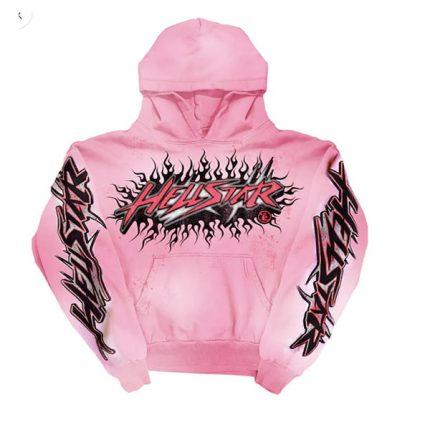
Where Threads Become Narratives
A Tapestry is far more than a decorative textile; it is a living narrative woven through time. Unlike ordinary fabrics, tapestry carries meaning in every thread, transforming simple materials into visual stories that can endure for centuries. From ancient civilizations to modern fashion and interior design, tapestry has served as a bridge between art and function. It is a medium where creativity meets craftsmanship, where imagination is translated into patterns, colors, and textures. Each piece tells a story—sometimes historical, sometimes mythical, and sometimes deeply personal—making tapestry one of the most expressive art forms in human history.
The Origins of Tapestry: A Journey Through Time
The roots of tapestry stretch back thousands of years, reaching into the earliest civilizations that sought to decorate their surroundings while preserving stories. Ancient cultures in Egypt, Greece, and China used woven textiles not only for warmth but also as a means of artistic expression. Over time, tapestry evolved into a sophisticated art form, particularly in medieval Europe, where it became a symbol of wealth and power. Nobles and royalty commissioned elaborate tapestries to adorn castle walls, using them to depict battles, religious themes, and scenes of daily life. These woven masterpieces were not merely decorations; they were visual records of history, carefully crafted to communicate status, beliefs, and cultural identity.
The Art of Weaving: Craftsmanship and Technique
At the heart of every tapestry lies the intricate process of weaving. Unlike standard fabric production, tapestry weaving involves creating a design directly within the weave itself, rather than printing or embroidering it afterward. This technique requires exceptional skill, patience, and precision. Artisans use a loom to interlace warp and weft threads, building the image one small section at a time. The process can take weeks, months, or even years depending on the complexity of the design.
What makes tapestry unique is its painterly quality. Skilled weavers can blend colors and create shading effects similar to brushstrokes on a canvas. This ability to mimic painting through thread gives tapestry its distinctive depth and richness. Every knot and intersection contributes to the final image, making each piece a labor of dedication and artistry.
Symbolism and Storytelling in Tapestry
One of the most fascinating aspects of tapestry is its role as a storytelling medium. Historically, tapestries have been used to depict epic tales, religious narratives, and cultural traditions. They served as visual books in a time when literacy was not widespread, allowing stories to be shared and preserved across generations.
Symbols often play a crucial role in tapestry design. Colors, patterns, and motifs are carefully chosen to convey meaning. For example, certain flowers might represent love or purity, while animals could symbolize strength, loyalty, or wisdom. These symbolic elements add layers of interpretation, inviting viewers to explore deeper meanings within the artwork.
Even today, modern tapestry artists continue this tradition by incorporating contemporary themes such as identity, environment, and social change. Through their work, they transform Tapestry Hoodie into a platform for dialogue and expression, proving that this ancient art form remains relevant in the modern world.
Tapestry in Interior Design: A Timeless Statement
In contemporary interiors, tapestry has experienced a remarkable revival. Designers and homeowners alike are rediscovering its ability to add warmth, texture, and character to living spaces. Unlike flat wall art, tapestry introduces a tactile dimension that enhances the atmosphere of a room. Its woven surface softens acoustics, creates visual interest, and serves as a focal point that draws attention.
Tapestries can range from traditional, ornate designs to minimalist and abstract compositions. This versatility makes them suitable for a wide variety of styles, from classic and vintage to modern and eclectic. Whether hung on a wall, used as a throw, or incorporated into furniture, tapestry brings a sense of depth and artistry that few other elements can match.
The Rise of Tapestry in Fashion
Beyond interior design, tapestry has made a significant impact in the world of fashion. Tapestry-inspired garments, such as sweaters, jackets, and skirts, have become increasingly popular for their unique textures and bold patterns. These pieces stand out in a sea of mass-produced clothing, offering individuality and artistic flair.
Tapestry fashion often draws inspiration from historical designs, blending them with contemporary silhouettes. The result is a fusion of past and present, where traditional craftsmanship meets modern trends. Wearing tapestry is not just about style; it is about embracing a piece of art and carrying a story wherever you go.
Sustainability and the Future of Tapestry
In an era where sustainability is becoming increasingly important, tapestry holds a unique advantage. Unlike fast fashion or disposable decor, tapestry is inherently durable and long-lasting. High-quality pieces can endure for generations, reducing the need for frequent replacement and minimizing waste.
Moreover, many modern tapestry artists and producers are adopting eco-friendly practices, using natural fibers and dyes to create their work. This commitment to sustainability aligns perfectly with the timeless nature of tapestry, reinforcing its value as both an art form and a responsible choice.
Looking ahead, the future of tapestry appears bright. Advances in technology are opening new possibilities for design and production, while a growing appreciation for handmade and meaningful objects continues to drive interest in this craft. As people seek deeper connections with the items they own, tapestry offers a compelling blend of beauty, history, and authenticity.
Emotional Connection: Why Tapestry Matters
What truly sets tapestry apart is its ability to evoke emotion. Unlike many forms of art that are observed from a distance, tapestry invites touch and interaction. Its texture, weight, and presence create a sensory experience that resonates on a deeper level.
Owning or encountering a tapestry often feels personal. Each piece carries the imprint of the artisan who created it, as well as the cultural and historical context from which it emerged. This connection transforms tapestry into more than just an object; it becomes a vessel of memory and meaning.
A Timeless Art That Continues to Evolve
Tapestry stands as a testament to the enduring power of human creativity. From its ancient origins to its modern applications in design and fashion, it has continually adapted while preserving its essence as a storytelling medium. Every thread contributes to a larger narrative, weaving together art, history, and emotion into a single, cohesive form. Syna World
In a fast-paced world dominated by digital experiences, tapestry offers something rare and valuable: a tangible connection to tradition and craftsmanship. It reminds us of the beauty that can be created through patience, skill, and imagination. As long as there are stories to tell and hands willing to weave them, tapestry will continue to thrive as one of the most captivating and meaningful art forms in existence.

 English
 Arabic
 French
 Spanish
 Portuguese
 Turkish
 Dutch
Dutch
 Italiano
 Russian
 Romaian
 Portuguese (Brazil)
 Greek
Greek