
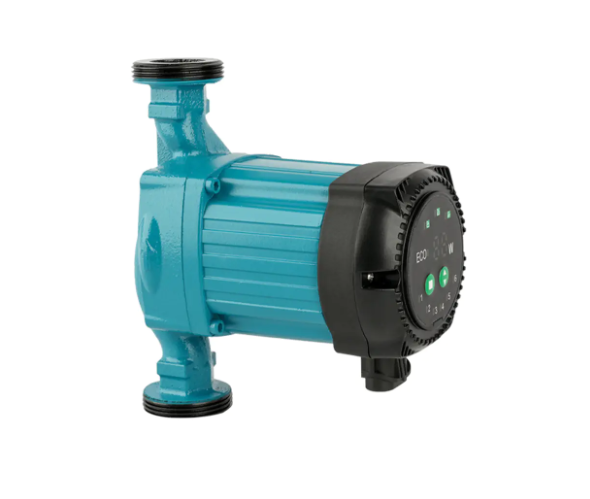
An irrigation pump is an essential tool in agriculture, landscaping, and other water management applications. Designed to move water from sources such as wells, rivers, or reservoirs to fields or gardens, an irrigation pump ensures that crops receive a consistent and controlled supply of water. Its use can significantly improve the efficiency of water distribution, especially in areas where rainfall is insufficient or irregular.
Types of Irrigation Pumps
Irrigation pumps come in various types, each suited for specific situations. Centrifugal pumps are commonly used for large-scale irrigation, as they can move a substantial volume of water over moderate distances. Positive displacement pumps, on the other hand, are better for precise water delivery, especially in smaller fields or specialized crop systems. Understanding the differences between these types helps users select the right irrigation pump for their needs.
Efficiency and Performance
The performance of an irrigation pump is determined by its ability to maintain consistent water pressure and flow. Factors such as the depth of the water source, the distance to the field, and the required volume of water must all be considered. A well-chosen irrigation pump can reduce water waste, minimize energy use, and support healthier plant growth by delivering water uniformly across the cultivated area.
Maintenance and Durability
Regular maintenance is important to ensure the long-term reliability of an irrigation pump. This includes checking for wear on pump components, monitoring motor or engine function, and inspecting pipes and valves for leaks or blockages. Proper maintenance not only extends the service life of the pump but also prevents interruptions in irrigation schedules that could affect crop yield.
Applications in Agriculture and Beyond
While irrigation pumps are primarily associated with agriculture, their applications extend to landscaping, golf courses, and horticulture. They provide the flexibility to supply water in areas without natural irrigation systems and can be adapted for use with sprinklers, drip systems, or flood irrigation. In some industrial settings, irrigation pumps also support water circulation for cooling systems or dust control.
Selection Considerations
When selecting an irrigation pump, it is important to consider several factors, including the type of crops, size of the area, water source characteristics, and energy availability. Choosing a pump that matches the specific requirements of the operation ensures efficient performance and reduces operational costs. Compatibility with existing irrigation systems and ease of installation are also valuable considerations.
An irrigation pump is a practical and versatile solution for managing water supply in agriculture and landscaping. By selecting the appropriate type and ensuring proper maintenance, users can improve water efficiency, support consistent crop growth, and adapt to varying environmental conditions. With its ability to deliver water reliably and effectively, an irrigation pump remains a key component in modern water management practices.

 Arabic
 French
 Spanish
 Portuguese
 Deutsch
 Turkish
 Dutch
Dutch
 Italiano
 Russian
 Romaian
 Portuguese (Brazil)
 Greek
Greek