
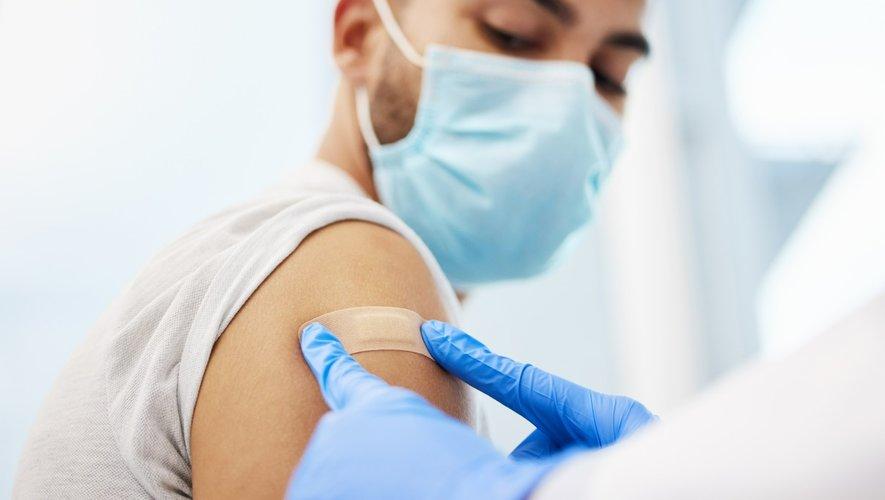
Access to healthcare in rural communities is often limited due to distance, transportation challenges, and shortages of medical facilities. Vaccination at home has emerged as a vital solution, bringing essential immunizations directly to residents and helping bridge the gap in preventive care. This approach ensures that even remote populations can stay protected against preventable diseases.
Overcoming Geographic Barriers:
Rural residents often face long travel times to reach clinics or hospitals.
- Eliminates the need for lengthy trips to healthcare facilities
- Reduces travel costs for families and individuals
- Makes vaccines accessible to homebound or mobility-challenged residents
- Supports timely immunizations without disrupting daily routines
At-home services ensure that geographic location does not prevent people from receiving care.
Increasing Vaccination Coverage:
Low accessibility can lead to missed vaccinations in rural areas.
- Ensures children, seniors, and high-risk individuals receive recommended doses
- Improves adherence to multi-dose vaccine schedules
- Supports public health initiatives by raising overall coverage rates
- Helps prevent outbreaks in communities with limited healthcare infrastructure
Higher coverage strengthens both individual and community immunity.
Reducing Strain on Local Clinics:
Small rural clinics often have limited staff and resources.
- At-home vaccination decreases patient volume at healthcare facilities
- Frees up clinic resources for urgent and specialized care
- Minimizes long wait times for in-person appointments
- Supports local healthcare providers by complementing their services
This approach allows rural clinics to focus on critical health needs without compromising preventive care.
Providing Personalized Care:
Healthcare professionals can tailor vaccination services to the needs of rural residents.
- Review of medical history, chronic conditions, and allergies before administration
- Observation for adverse reactions in a familiar and comfortable environment
- Guidance on post-vaccination care and health monitoring
- Opportunity for education on preventive healthcare and vaccine benefits
Personalized care builds trust and ensures safety for rural patients.
Supporting Public Health Goals:
Home vaccination in rural communities contributes to broader population health.
- Reduces disease transmission in geographically isolated areas
- Helps maintain herd immunity in underserved regions
- Complements outreach and awareness campaigns targeting rural populations
- Encourages proactive preventive healthcare in communities with limited access
This integration enhances both local and regional public health outcomes.
Final Thoughts:
Vaccination at home is transforming healthcare access for rural communities by overcoming geographic barriers, increasing coverage, reducing clinic strain, and providing personalized care. By bringing immunizations directly to residents, at-home vaccination ensures that even remote populations receive timely protection against preventable diseases, strengthening both individual and community health.

 English
 Arabic
 French
 Spanish
 Portuguese
 Deutsch
 Turkish
 Dutch
Dutch
 Italiano
 Russian
 Portuguese (Brazil)
 Greek
Greek