
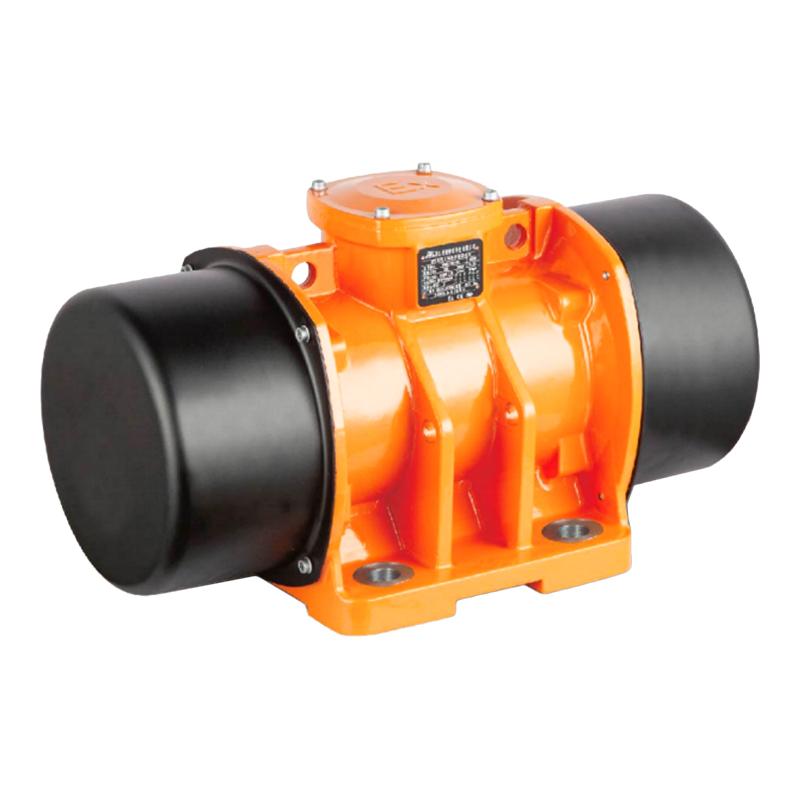
Vibration motor generates controlled oscillations to promote material flow from storage hoppers and bins. The motor converts electrical energy into mechanical vibration through rotating eccentric weights. A reliable vibration motor mounted on hopper walls transfers energy to stuck material, preventing bridging and rat-holing. The centrifugal force created by the weights shakes cohesive powders and granules loose without damaging equipment. Processing plants maintain consistent production rates through proper vibrator motor function. Flow interruptions are minimized when vibration systems operate correctly.
Force output of a vibration motor is adjusted by changing the position of eccentric weights on the shaft. Higher force settings are used for dense materials like sand or crushed stone. A correctly set vibration motor provides adequate agitation without over-vibrating the hopper structure. Variable frequency drives allow speed adjustment for different material flow characteristics. Force selection should match the specific bulk material being handled.
Mounting position of a vibration motor affects vibration transmission efficiency to stuck material. Motors placed near the hopper discharge opening target the area where bridging typically occurs. A well-positioned vibration motor transfers energy directly to the problematic zone. Multiple motors may be installed on larger hoppers for even vibration coverage. Installation location is determined by hopper geometry and material properties.
Vibration motor maintenance includes periodic bearing lubrication for extended service life. Dusty environments require more frequent greasing than clean conditions. Vibration monitoring detects developing bearing issues before failure occurs. Temperature checks identify overheating that would indicate lubrication problems. Proactive maintenance extends motor life in demanding industrial environments.

 English
 Arabic
 French
 Spanish
 Portuguese
 Deutsch
 Turkish
 Dutch
Dutch
 Italiano
 Russian
 Romaian
 Greek
Greek