
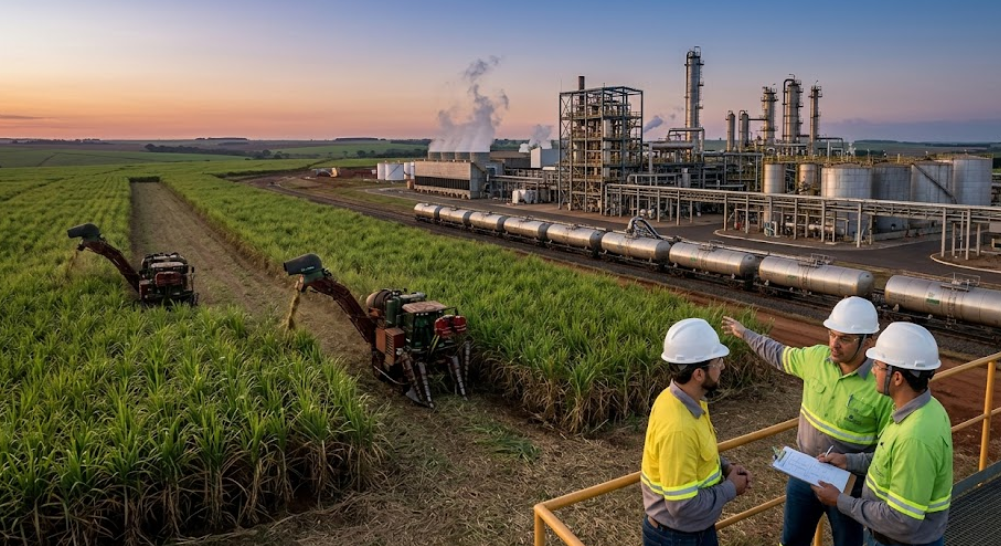
Understanding biokerosene production cost has become increasingly important as industries transition toward sustainable fuels. Biokerosene, also known as sustainable aviation fuel (SAF), is gaining global traction due to rising environmental concerns and regulatory mandates in the aviation sector.
For manufacturers, investors, and procurement teams, production cost analysis is critical due to:
- Increasing global demand for low-carbon fuels
- Supply chain constraints for bio-based feedstocks
- Volatility in energy and commodity prices
As governments and airlines commit to decarbonization targets, the cost of producing biokerosene plays a decisive role in determining project feasibility, investment strategies, and long-term competitiveness.
Overview of Biokerosene Manufacturing
Biokerosene is produced using several advanced refining and biochemical conversion technologies. Unlike conventional jet fuel, its production relies on renewable feedstocks and specialized processing routes.
Key Production Pathways:
- Hydroprocessed Esters and Fatty Acids (HEFA):
- Most commercially mature technology
- Converts vegetable oils, used cooking oil, and animal fats into jet fuel
- Fischer-Tropsch (FT) Synthesis:
- Converts biomass (via gasification) into synthetic fuels
- Involves syngas production followed by catalytic conversion
- Alcohol-to-Jet (ATJ):
- Converts ethanol or other alcohols into jet fuel
- Emerging technology with growing industrial adoption
- Direct Sugar to Hydrocarbon (DSHC):
- Uses engineered microorganisms to convert sugars directly into hydrocarbons
Basic Manufacturing Flow:
- Feedstock pre-treatment
- Conversion (hydrotreatment, gasification, or fermentation)
- Upgrading and refining
- Fractionation into jet fuel range hydrocarbons
These processes require significant capital investment and technological expertise, directly impacting biokerosene plant cost.
Key Raw Materials and Inputs
The biokerosene manufacturing cost is heavily influenced by feedstock selection and process inputs.
Primary Feedstocks:
- Used cooking oil (UCO)
- Vegetable oils (soybean, palm, rapeseed)
- Animal fats
- Agricultural residues and biomass
- Sugars and alcohols (for ATJ and DSHC routes)
Catalysts and Chemicals:
- Hydrotreating catalysts (e.g., nickel, molybdenum-based)
- Gasification catalysts (for FT processes)
- Fermentation nutrients (for biochemical routes)
Energy and Utilities:
- Hydrogen (critical for HEFA process)
- Electricity for plant operations
- Steam for heating and processing
- Water for cooling and processing
Cost Implications:
- Feedstock cost can account for 60–80% of total production cost
- Hydrogen availability and pricing significantly influence HEFA economics
- Biomass logistics and transportation add to input costs
A comprehensive raw material cost analysis is essential for evaluating the overall biokerosene production cost analysis.
Major Cost Drivers in Production
The industrial production cost of biokerosene is shaped by multiple interconnected factors.
Key Cost Components:
- Feedstock Costs:
The largest contributor, influenced by agricultural markets and waste oil availability - Energy Consumption:
High energy demand for hydrogen production, gasification, and refining - Capital Expenditure (CAPEX):
Advanced processing units and technology licensing increase plant cost - Labor and Operations:
Skilled workforce required for handling complex processes - Maintenance and Catalyst Replacement:
Regular replacement of catalysts adds to operating expenses - Transportation and Logistics:
Feedstock collection and distribution infrastructure impact costs
Market Influence:
- Volatility in vegetable oil prices directly affects production economics
- Hydrogen price fluctuations impact HEFA-based plants
- Policy incentives and carbon credits can offset production costs
Understanding these drivers is critical for optimizing biokerosene manufacturing cost and ensuring profitability.
Regional Cost Differences
The biokerosene plant cost varies widely across regions due to differences in feedstock availability, regulatory frameworks, and energy pricing.
North America:
- Strong policy support (e.g., SAF incentives)
- High labor and compliance costs
- Access to diverse feedstocks
Europe:
- Strict sustainability regulations
- Higher operational costs
- Strong demand driven by aviation decarbonization targets
Asia:
- Competitive labor costs
- Growing availability of feedstocks
- Expanding refining infrastructure
Middle East:
- Lower energy costs
- Emerging interest in renewable fuels
- Limited feedstock availability
Key Influencing Factors:
- Feedstock supply chains
- Energy pricing and hydrogen availability
- Environmental regulations
- Scale and integration of refineries
These regional dynamics significantly impact global biokerosene production cost analysis and investment decisions.
Impact of Market Trends on Production Economics
The transition toward sustainable fuels is reshaping manufacturing economics for biokerosene.
Key Trends:
- Decarbonization Initiatives:
Airlines and governments are mandating SAF usage - Green Hydrogen Integration:
Reducing carbon intensity of hydrogen used in production - Circular Economy Models:
Increased use of waste oils and residues - Technological Advancements:
Improved catalyst efficiency and conversion yields - Energy Transition:
Integration of renewable energy sources in production
Economic Impact:
- Initial investment costs may rise due to new technologies
- Long-term cost reduction through efficiency improvements
- Incentives and carbon pricing mechanisms influence profitability
These trends are redefining the cost of producing biokerosene and shaping future investment strategies.
Why Detailed Production Cost Intelligence Matters
Accurate chemical plant cost analysis is essential for stakeholders navigating the evolving biofuel market.
Key Applications:
- Feasibility Studies:
Assessing viability of new biokerosene plants - Procurement Planning:
Optimizing sourcing strategies for feedstocks and inputs - Investment Decisions:
Evaluating return on investment and risk factors - Operational Optimization:
Identifying cost-saving opportunities
Without detailed insights, companies risk underestimating the true industrial production cost and facing operational inefficiencies.
The Role of Production Cost Reports in Strategic Planning
A comprehensive Biokerosene Production Cost Report provides a structured and data-driven understanding of manufacturing economics.
Such reports typically include:
- Detailed raw material consumption analysis
- Process technology evaluation (HEFA, FT, ATJ)
- Capital and operating cost breakdown (CAPEX & OPEX)
- Profitability and margin assessment
- Sensitivity analysis based on feedstock and energy prices
For manufacturers and investors, the Biokerosene Production Cost Report serves as a critical tool to:
- Benchmark production efficiency
- Evaluate project feasibility
- Support strategic planning and expansion decisions
By leveraging such insights, stakeholders can better understand the biokerosene manufacturing cost structure and adapt to changing market conditions.
Final
The biokerosene production cost is influenced by a complex interplay of feedstock pricing, energy consumption, process technology, and regional dynamics. As demand for sustainable aviation fuel continues to rise, understanding these cost components becomes essential for manufacturers, investors, and procurement teams.
Key insights include:
- Feedstock costs dominate overall production economics
- Energy and hydrogen pricing significantly impact manufacturing cost
- Regional factors create substantial cost variations
- Emerging technologies and sustainability trends are reshaping cost structures

 Arabic
 French
 Spanish
 Portuguese
 Deutsch
 Turkish
 Dutch
Dutch
 Italiano
 Russian
 Romaian
 Portuguese (Brazil)
 Greek
Greek