
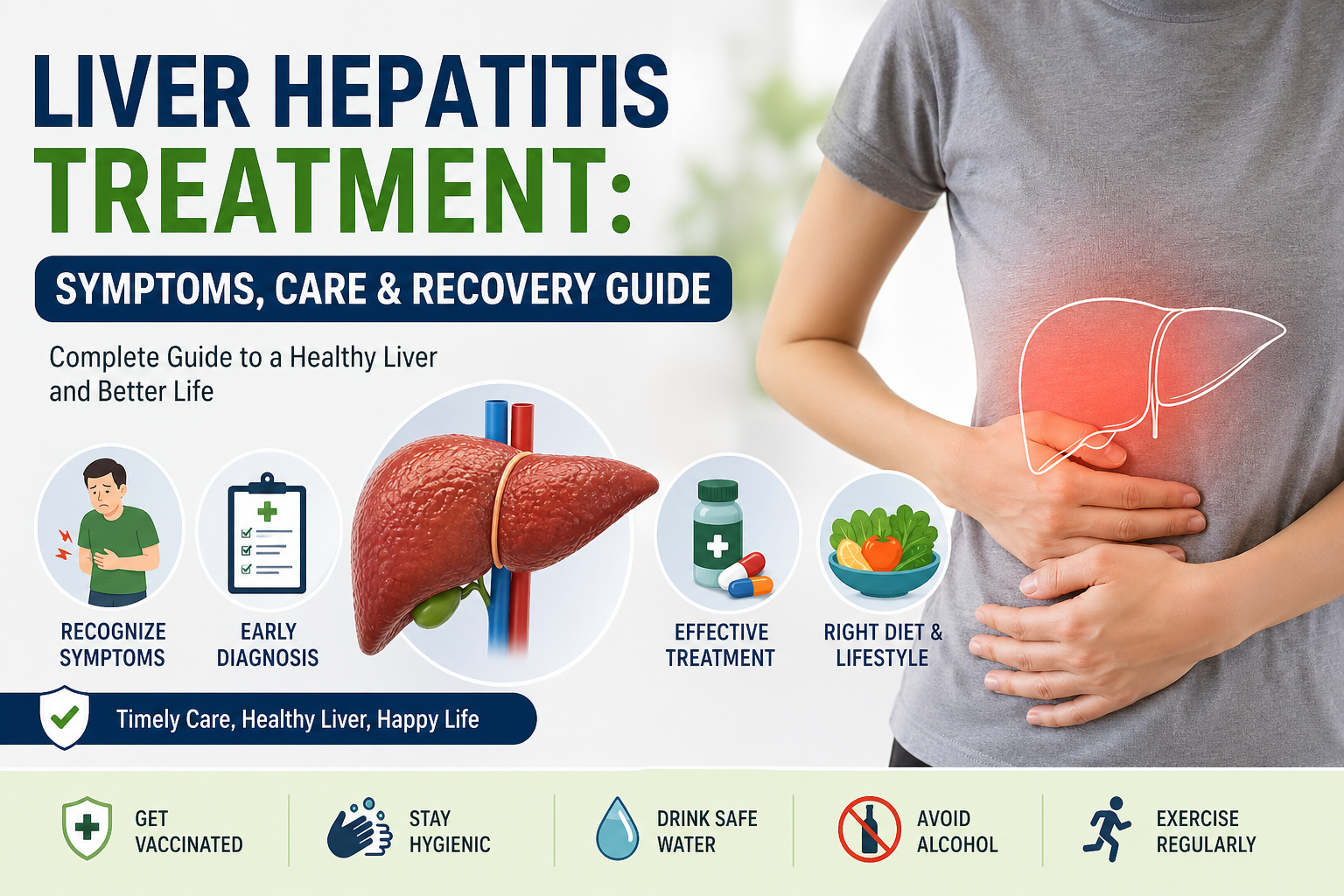
Introduction
Hearing the words liver hepatitis can feel scary. You may immediately think, “Is this serious?” or “Can it be treated?” The good news is that many forms of hepatitis can be managed, treated, and sometimes fully cured when detected early.
Your liver works like the body’s cleaning machine. It removes toxins, helps digest food, stores energy, and supports immunity. When hepatitis causes inflammation in the liver, this vital organ struggles to do its job. But with the right treatment and lifestyle changes, the liver often gets a chance to heal.
Learn liver hepatitis treatment, symptoms, recovery tips, and when to consult the best liver transplant specialist in delhi for advanced liver care.
In this guide, we’ll break everything down in simple language so you understand what hepatitis is, treatment options, recovery tips, and when expert help is needed.
1. What Is Liver Hepatitis?
Hepatitis means inflammation of the liver. Think of your liver as a hardworking kitchen filter. If the filter gets blocked or damaged, the whole kitchen suffers. In the same way, when the liver is inflamed, many body functions slow down.
Hepatitis may be short-term (acute) or long-term (chronic). Some cases go away with rest and treatment, while others need long-term medical care.
2. Types of Hepatitis
There are several types of hepatitis, and each has a different cause.
Hepatitis A
Usually spreads through contaminated food or water. It often improves completely with rest and supportive care.
Hepatitis B
Spreads through infected blood, sexual contact, or from mother to baby. Some people recover fully, while others develop chronic infection.
Hepatitis C
Commonly spreads through infected blood. It can become chronic, but modern medicines can cure many patients.
Alcoholic Hepatitis
Caused by heavy alcohol use over time.
Autoimmune Hepatitis
When the body’s immune system attacks the liver by mistake.
Fatty Liver Related Hepatitis
Caused by obesity, diabetes, or poor lifestyle habits.
3. Common Symptoms
Many people don’t notice symptoms early, which is why testing matters.
Watch for these signs:
- Fatigue
- Loss of appetite
- Nausea
- Fever
- Pain in the upper right abdomen
- Dark urine
- Yellow skin or eyes (jaundice)
- Itching
- Swelling in legs or belly
If these symptoms appear, don’t ignore them.
4. Causes and Risk Factors
You might wonder, “Why did this happen?” Causes vary depending on the type.
Common risk factors include:
- Unsafe food or water
- Unprotected sex
- Sharing needles
- Blood transfusions (older unsafe systems)
- Alcohol abuse
- Obesity
- Diabetes
- Family history of liver disease
- Weak immune system
Knowing the cause helps doctors choose the best treatment.
5. How Doctors Diagnose Hepatitis
Proper diagnosis is the first step toward healing.
Tests may include:
Blood Tests
Check liver enzymes, infection markers, and liver function.
Ultrasound
Shows liver swelling, fatty liver, or damage.
FibroScan
Measures liver stiffness and scarring.
CT Scan or MRI
Used when more detail is needed.
Liver Biopsy
Sometimes done to assess damage.
Early diagnosis can prevent long-term complications.
6. Liver Hepatitis Treatment Options
Treatment depends on the type and severity of hepatitis.
For Viral Hepatitis
Doctors may prescribe antiviral medicines.
For Mild Acute Hepatitis
Rest, hydration, and monitoring may be enough.
For Alcoholic Hepatitis
Complete alcohol avoidance is critical.
For Autoimmune Hepatitis
Immune-suppressing medicines may help.
For Fatty Liver Hepatitis
Weight loss, exercise, and diabetes control are key.
There is no one-size-fits-all plan. Every liver tells a different story.
7. Medicines for Hepatitis
Let’s talk about medical treatment in simple terms.
Hepatitis B Medicines
Antiviral drugs can control the virus and protect the liver.
Hepatitis C Medicines
Modern direct-acting antivirals can cure many patients in weeks.
Pain Relief
Doctors may suggest safe medicines, but never self-medicate because some drugs harm the liver.
Vitamin Support
Only if recommended by a doctor.
Always follow prescription advice carefully.
8. Home Care and Lifestyle Changes
Medicines help, but your daily habits matter too.
What you should do:
- Drink enough water
- Sleep well
- Eat balanced meals
- Avoid alcohol completely
- Maintain healthy weight
- Exercise regularly
- Take medicines on time
- Attend follow-up visits
Your liver can repair itself better when you give it the right environment.
9. Foods Good for Liver Healing
Food can be your friend during recovery.
Best choices include:
Fresh Fruits
Papaya, apple, berries, banana.
Vegetables
Spinach, carrot, beetroot, broccoli.
Whole Grains
Oats, brown rice, whole wheat.
Lean Protein
Dal, fish, eggs, tofu, chicken.
Healthy Fats
Nuts, seeds, olive oil.
Plenty of Water
Keeps the body hydrated.
Simple homemade meals are often better than processed foods.
10. What to Avoid During Treatment
Some habits slow recovery.
Avoid these:
- Alcohol
- Smoking
- Fast food
- Sugary drinks
- Too much salt
- Unnecessary supplements
- Self-medication
- Late-night overeating
Think of recovery like growing a plant—you need sunlight and water, not poison.
11. When Hepatitis Becomes Serious
Sometimes hepatitis can lead to major liver damage.
Warning complications:
- Liver cirrhosis
- Liver failure
- Fluid in abdomen
- Internal bleeding
- Confusion
- Liver cancer
If the liver becomes severely damaged, advanced treatment or transplant evaluation may be needed.
12. Role of Liver Specialists
Not every liver problem needs surgery, but specialist guidance can save lives.
A liver expert understands infections, scarring, complications, and transplant needs. If someone has advanced disease, consulting the best liver transplant specialist in delhi can help explore treatment options, second opinions, and transplant readiness.
Delhi has many advanced hospitals with modern liver care facilities, making it an important center for treatment in India.
13. Prevention Tips
Prevention is always better than treatment.
How to protect your liver:
- Take hepatitis vaccines
- Wash hands properly
- Drink clean water
- Practice safe sex
- Avoid sharing razors or needles
- Limit alcohol
- Maintain healthy weight
- Get regular health checkups
Small steps today can prevent big problems tomorrow.
14. Recovery Timeline
Many people ask, “How long does it take to get better?”
The answer depends on the type of hepatitis.
- Hepatitis A: Weeks to months
- Mild acute hepatitis: Few weeks
- Hepatitis B: Variable, some recover fully
- Hepatitis C: Often cured after treatment course
- Chronic hepatitis: Needs long-term management
Recovery also depends on age, overall health, and how early treatment begins.
15. Conclusion
Liver hepatitis treatment has improved greatly. Many people recover well, especially when they seek care early and follow medical advice. Your liver is strong and has an amazing ability to heal, but it needs support from you.
If you notice symptoms, don’t wait. Get tested, understand the cause, and start treatment. And if liver damage is advanced, consulting an experienced liver expert or the best liver transplant specialist in delhi can make all the difference.
Take care of your liver today—it quietly takes care of you every day.
FAQs
1. Can liver hepatitis be cured completely?
Yes, some types like Hepatitis A often resolve fully, and Hepatitis C can often be cured with modern medicines.
2. Is hepatitis treatment expensive?
Costs vary depending on the type of hepatitis, tests, medicines, and hospital care needed.
3. Can I live a normal life with hepatitis?
Yes, many people live normal lives with proper treatment, healthy habits, and regular checkups.
4. What is the best diet for hepatitis patients?
Fresh fruits, vegetables, whole grains, lean protein, and lots of water are usually helpful.
5. When is a liver transplant needed?
A transplant may be needed in severe liver failure, advanced cirrhosis, or some liver cancers after specialist evaluation.

 Arabic
 French
 Spanish
 Portuguese
 Deutsch
 Turkish
 Dutch
Dutch
 Italiano
 Russian
 Romaian
 Portuguese (Brazil)
 Greek
Greek