
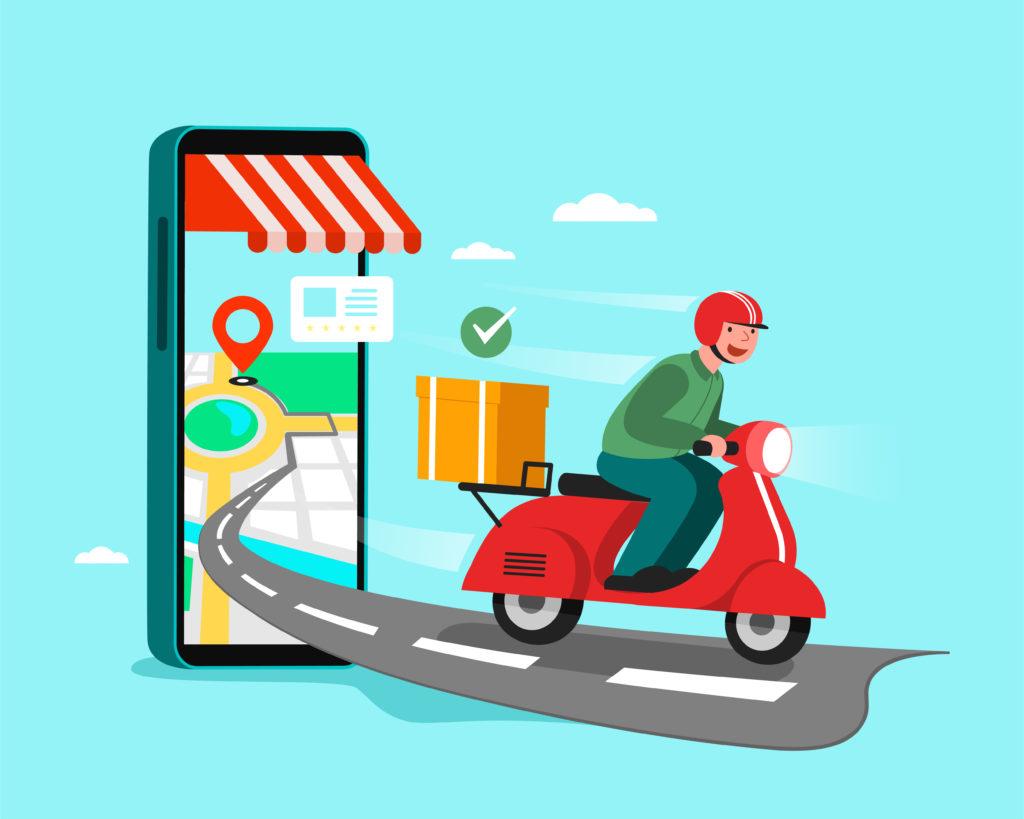
The engine behind the on-demand food economy is a highly complex, three-sided marketplace, and the Online Food Delivery Market Platform is the sophisticated technology that orchestrates this delicate dance between consumers, restaurants, and delivery riders. The first side of this platform is the consumer-facing mobile app or website. This is the "digital storefront" of the entire operation. Its design is relentlessly focused on providing a frictionless and engaging user experience. The platform must present a vast and potentially overwhelming choice of restaurants and dishes in a way that is easy to browse and discover, using features like curated collections, personalized recommendations based on past orders, and powerful search and filtering capabilities. The ordering and checkout process is optimized for speed, with saved addresses and one-click payment options. A crucial feature is the real-time order tracking, which provides a map-based view of the rider's progress from the restaurant to the customer's door. This transparency is key to managing customer expectations and reducing anxiety about delivery times, making the front-end app a critical tool for customer acquisition and retention.
The second side of the platform is the restaurant-facing system. When a customer places an order, it is instantly transmitted to a device, typically a dedicated tablet, in the restaurant's kitchen. This "restaurant portal" provides the kitchen staff with a clear, digital ticket of the order, eliminating errors from phone-based ordering. The platform allows the restaurant to manage its online menu, update item availability in real-time, and set its own food preparation times. More advanced platforms provide restaurants with a suite of analytical tools, giving them data-driven insights into their sales performance, customer demographics, and most popular items. This restaurant-facing platform is the essential link that integrates a vast and diverse network of independent local businesses into a single, standardized digital ordering system, allowing them to participate in the online economy without having to build their own technology.
The third and most operationally complex side of the platform is the system for managing the fleet of delivery riders. This involves a dedicated "rider app" that the gig-economy workers use to receive and accept delivery jobs. The platform's logistics engine, often referred to as the "dispatcher," is the core of this system. It uses a complex set of algorithms to solve a massive, real-time optimization problem: which rider is in the best position to pick up a specific order from a specific restaurant and deliver it to a specific customer in the shortest possible time? This algorithm considers dozens of variables, including the rider's current location, the restaurant's current cooking time, traffic conditions, and the potential to "batch" multiple orders together. This algorithmic dispatcher is the invisible brain of the logistics operation, and its efficiency is the single biggest determinant of the platform's profitability and its ability to deliver a fast and reliable service.
Underpinning this entire three-sided marketplace is a sophisticated backend infrastructure for payments, support, and data analytics. The platform must handle a massive volume of complex financial transactions, collecting payments from customers and then splitting and disbursing the funds correctly to the restaurants and the riders, all while processing refunds and handling disputes. It also requires a large-scale, multi-channel customer support system to handle inquiries and issues from all three sides of the marketplace. Most importantly, the platform is a massive data-gathering engine. It collects a treasure trove of data on consumer preferences, restaurant performance, and delivery logistics. This data is used to continuously train the platform's machine learning models to improve everything from food recommendations and demand forecasting to delivery time predictions, creating a powerful data network effect where the platform becomes smarter and more efficient as more people use it.
Explore More Like This in Our Regional Reports:
Clientless Remote Support Software Market

 English
 Arabic
 French
 Portuguese
 Deutsch
 Turkish
 Dutch
Dutch
 Italiano
 Russian
 Romaian
 Portuguese (Brazil)
 Greek
Greek