
Sichuan Province offers a profound blend of ancient spiritual traditions and dramatic geological formations, making it a bucket-list destination for global travelers. To ensure a smooth transition from the bustling city streets to the serene cloud-forests, many visitors look for the recommended travel routes from chengdu to mount emei that balance efficiency with scenic beauty. Mount Emei, one of the Four Sacred Buddhist Mountains of China, stands as a UNESCO World Heritage site that rewards its explorers with historic temples, rare wildlife, and views that stretch across the Tibetan Plateau. Most travelers utilize the high-speed rail network, which connects Chengdu East Station to the mountain's base in approximately 60 to 90 minutes.
The Cultural Gateway: Baoguo Temple and the Lower Slopes
The journey typically begins at the foot of the mountain at Baoguo Temple, the largest monastery on Emeishan. This site serves as a spiritual portal, featuring grand halls, intricate gardens, and a massive bronze bell that weighs over 12 tons. As you leave the temple and move into the lower forest zones, the air cools and the sounds of the city are replaced by the rustle of bamboo and the chirping of endemic birds. The path toward Fuhu Temple is particularly peaceful, winding through a deep forest that remains miraculously clean and serene, providing a perfect introduction to the mountain’s unique microclimate.
Navigating the Middle Slopes and the Monkey Zone
As the altitude increases, the terrain becomes more rugged and the architecture more secluded. The middle section of the mountain is home to the Qingyin Pavilion, an architectural masterpiece built over the confluence of two rushing streams. This area is a highlight for photographers, as the white water and black rocks create a striking natural contrast. Further along, travelers encounter the "Wild Monkey Zone," where indigenous Tibetan macaques interact with passersby. While the climb here involves more stone steps, the reward is a sense of total immersion in the wild, emerald heart of Sichuan.
Strategic Paths for the Ascent
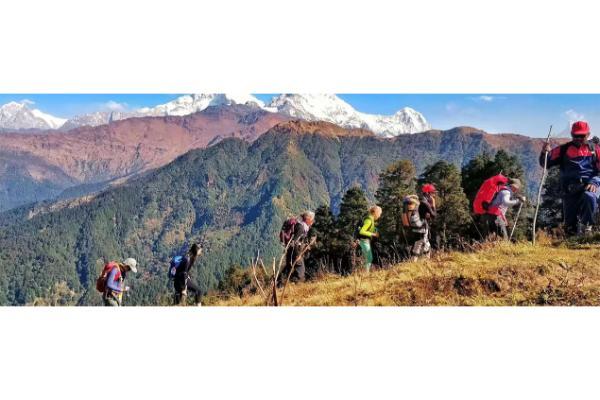
Depending on the time available and personal fitness levels, the various tourist routes on mount emei allow for a customized experience. For those looking to reach the peak within a single day, the sightseeing bus to Leidongping is the most practical choice, followed by a cable car ride that glides over the misty canopy to the summit. Alternatively, the multi-day trekking route through the Wannian Temple and the 99 Bends offers a much more traditional experience. This path allows hikers to stay in monastery guesthouses along the way, waking up to the sound of chanting and the first light hitting the forest floor.
The Majesty of the Golden Summit
The ultimate goal for any visitor is the Golden Summit (Jinding), standing at over 3,000 meters above sea level. This plateau is crowned by the 48-meter-tall multi-faceted statue of Samantabhadra, which shines brilliantly against the blue sky. On clear days, the summit offers the "Sea of Clouds," a phenomenon where the surrounding peaks appear as islands in a vast, white ocean. Many travelers choose to stay overnight at the summit to witness the sunrise, which casts a golden glow over the mountains, creating a moment of profound tranquility and awe.
Urban Greenery: The Parks of Chengdu
After the high-altitude intensity of Mount Emei, returning to Chengdu provides a chance to explore the city's sophisticated park culture. Chengdu is world-renowned for its "Park City" initiative, which has integrated vast greenways and ecological zones into the metropolitan area. These urban sanctuaries offer a different kind of natural beauty, focusing on accessible leisure and community wellness. From the expansive wetlands of Xinglong Lake to the historic teahouses of People’s Park, the city provides endless opportunities to enjoy nature without leaving the urban center.
Hidden Gems and Mountain Escapes Near the City
Beyond the famous tourist sites, the best hiking routes in chengdu can be found in the surrounding Longquan Mountains or the outskirts of Dayi County. The Longquan Forest Park features elevated boardwalks that provide a 360-degree view of the Chengdu skyline and the sprawling plains beyond. For a more rugged experience, the trails around Qingcheng Mountain offer a look into Taoist history, with paths that lead through ancient forests and hidden grottoes. These day-trip options are perfect for those who want to stay active while exploring the diverse geography of Western China.
Cultural Immersion and Culinary Rewards
Every route through Sichuan is also a journey through its famous culinary culture. Along the mountain trails of Emei, teahouses offer locally grown Zhuyeqing tea, which is prized for its fresh, grassy flavor. Back in Chengdu, the food scene is legendary, ranging from world-famous hotpot to delicate street snacks. Exploring these natural routes provides a unique context for the flavors of the region, as you see firsthand the diverse landscape that produces the ingredients for Sichuan’s world-renowned cuisine.
Practical Tips for Your Journey
To ensure a successful trip, preparation for the mountain’s microclimate is essential. The temperature at the Golden Summit is significantly lower than at the base, so high-quality layers and moisture-wicking gear are a must. In Chengdu, the flatter terrain is much easier to navigate, but sun protection and comfortable walking shoes are still highly recommended. By selecting the right routes and respecting the natural environment, your journey from Chengdu to the peaks of Mount Emei will be a highlight of your travels in China.

 Arabic
 French
 Spanish
 Portuguese
 Deutsch
 Turkish
 Dutch
Dutch
 Italiano
 Russian
 Romaian
 Portuguese (Brazil)
 Greek
Greek