
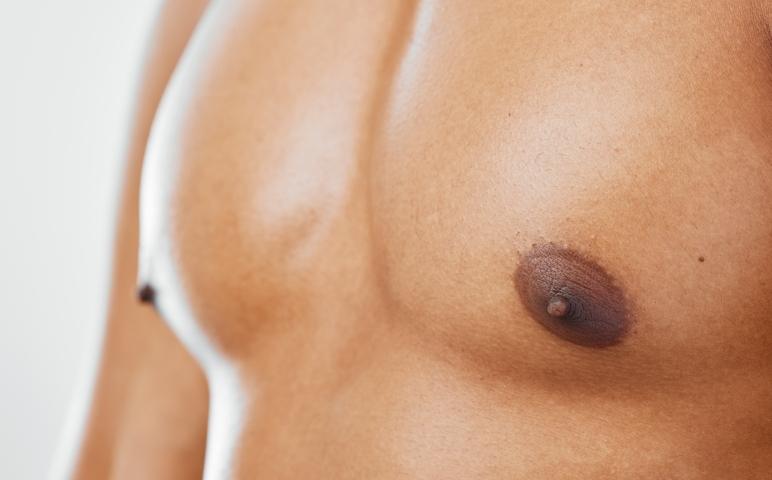
Inverted nipples are a relatively common anatomical variation where the nipple retracts inward instead of pointing outward. This condition can be present from birth or develop over time due to changes in the breast tissue, connective fibers, or underlying ducts. While it is often harmless, it can sometimes affect confidence, comfort, or breastfeeding function. In such cases, Inverted Nipple Surgery in Dubai becomes an important consideration for individuals seeking correction and improved nipple projection.
To understand this condition better, medical experts classify nipple inversion into different grades. These grades help determine the severity of inversion and guide the most suitable correction approach. Knowing these categories is essential for anyone exploring their options, as each grade presents unique characteristics and challenges.
Grade 1 Inverted Nipples: Mild and Reversible Condition
Grade 1 inversion represents the mildest form. In this stage, the nipple can typically be pulled outward manually or in response to stimulation such as cold temperature or touch. However, it may retract again once the stimulation stops.
This type of inversion is usually caused by mild tightening of the milk ducts or minimal fibrous tissue pulling the nipple inward. Because the structure is not severely altered, Grade 1 cases often respond well to non-surgical techniques, though some individuals may still consider corrective procedures for long-term results or aesthetic preference.
The key feature of this grade is flexibility. The nipple still retains some natural mobility, which makes it less structurally complex compared to higher grades.
Grade 2 Inverted Nipples: Moderate Structural Tightness
Grade 2 inversion is more pronounced and involves a stronger pull from the fibrous tissue and ducts beneath the nipple. In this stage, the nipple can sometimes be pulled outward, but it quickly retracts and resists staying in an outward position.
This grade is often associated with tighter connective structures, making natural correction more challenging. Individuals with Grade 2 inversion may experience discomfort or self-consciousness, especially in situations where nipple projection is expected.
At this level, correction typically requires more structured intervention since the underlying anatomy is more resistant to simple stimulation or temporary release. Understanding this stage is crucial for setting realistic expectations about improvement and long-term stability.
Grade 3 Inverted Nipples: Severe and Fixed Inversion
Grade 3 inversion represents the most severe form. In this case, the nipple remains consistently retracted and cannot be pulled outward manually or through stimulation. The fibrous tissue and ducts are significantly shortened or tightly bound, creating a fixed inward position.
This grade often has a stronger structural basis, meaning the physical framework of the nipple is deeply affected. As a result, the condition is not only cosmetic but may also impact functionality, including breastfeeding ability in some individuals.
People with Grade 3 inversion typically seek long-term correction because the condition does not improve on its own. The focus at this stage is on structural release and restoration of nipple projection.
Causes Behind Nipple Inversion Across All Grades
While grading helps define severity, it is equally important to understand why nipple inversion occurs in the first place. Several contributing factors may be involved, including shortened milk ducts, fibrous band formation, developmental differences, or changes in breast tissue over time.
In some cases, genetics play a role, while in others, hormonal changes or natural tissue development patterns influence nipple positioning. The condition can affect one or both nipples and may remain stable or progress gradually depending on the underlying cause.
Understanding these causes helps individuals make informed decisions about correction and manage expectations regarding outcomes.
How Grading Influences Treatment Approach
The classification of inversion directly influences the approach used for correction. Mild cases may require minimal intervention, while more severe cases demand a structured and lasting solution to release internal tightness and maintain projection.
The grading system ensures that each individual receives a tailored approach rather than a one-size-fits-all method. This is important because nipple structure varies significantly from person to person, and successful correction depends on addressing the root cause of inversion rather than just surface appearance.
In more complex cases, maintaining long-term projection requires careful release of internal fibrous structures while preserving nipple sensitivity and natural function.
Psychological and Aesthetic Considerations
Beyond physical aspects, nipple inversion can have a psychological impact. Some individuals feel self-conscious in intimate settings or clothing choices, while others may experience emotional discomfort due to asymmetry or visible differences.
Addressing these concerns often improves confidence and body image. The decision to explore correction is deeply personal and varies depending on individual comfort levels, lifestyle, and aesthetic goals.
It is important to recognize that all grades of inversion are natural variations, and correction is a personal choice rather than a necessity.
Recovery Expectations and Long-Term Outcomes
When considering correction, understanding recovery and long-term stability is essential. The healing process typically involves a short adjustment period where tissues settle into their new position. During this time, maintaining structure is crucial for achieving lasting results.
Long-term outcomes depend on the severity of inversion and the method used to correct it. In many cases, properly addressed inversion remains stable, providing a more natural outward projection and improved symmetry.
Patients are generally encouraged to follow proper care routines to support healing and maintain results over time.
Emotional Confidence and Body Positivity
One of the most important aspects of addressing nipple inversion is the emotional transformation that often follows. Many individuals report improved confidence, greater comfort in their appearance, and enhanced body positivity after correction.
While physical changes are visible, the psychological benefits often have a deeper and more lasting impact. Feeling comfortable in one’s own body plays a significant role in overall well-being and self-expression.
Book Us
If you are exploring solutions tailored to different grades of Inverted Nipple Surgery inversion and want to understand your options in detail, professional guidance can help you make an informed decision. At Enfield Royal Clinic Dubai, personalized care approaches are designed to address varying levels of nipple inversion while focusing on natural-looking results, comfort, and confidence.

 English
 Arabic
 French
 Portuguese
 Deutsch
 Turkish
 Dutch
Dutch
 Italiano
 Russian
 Romaian
 Portuguese (Brazil)
 Greek
Greek