
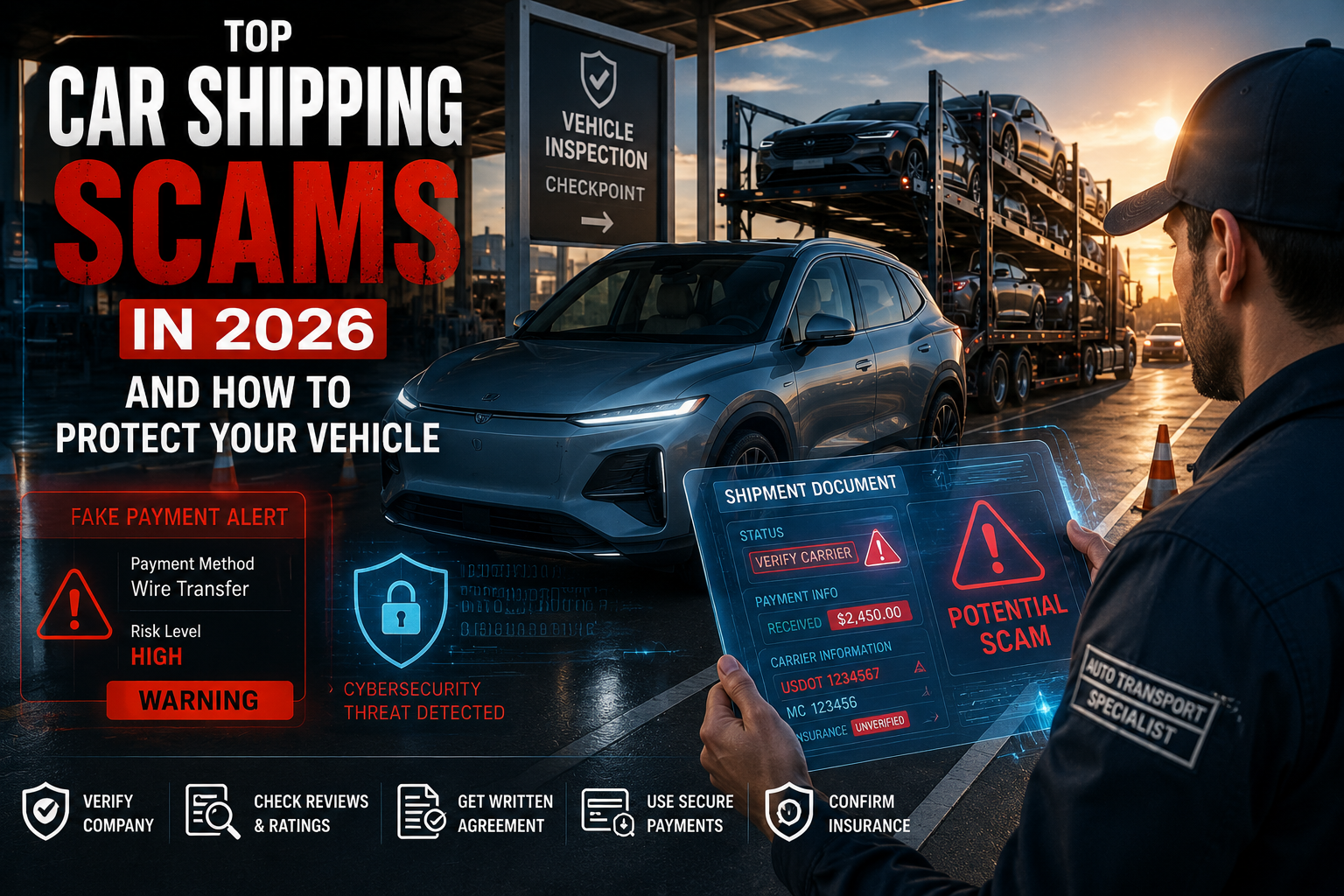
The auto transport industry continues to expand in 2026 as more people purchase vehicles online, relocate across states, and rely on nationwide shipping services. Unfortunately, the increase in demand has also led to a rise in Car Shipping Scams, with fake brokers and dishonest transport companies targeting unsuspecting customers.
Many vehicle owners lose money because scammers appear professional at first glance. Fraudulent companies use fake reviews, misleading pricing, and aggressive sales tactics to trick customers into making quick decisions. Understanding the most common scams in 2026 can help protect your vehicle, your finances, and your peace of mind.
Why Car Shipping Scams Are Rising in 2026
Modern scammers have become more sophisticated than ever before. Many fake transport companies now use AI-generated websites, paid fake reviews, and cloned business profiles to appear legitimate online.
Customers searching for affordable vehicle transportation often compare prices quickly and may overlook warning signs while trying to secure the lowest quote. Scammers exploit this urgency by offering unrealistic deals and pressuring customers into paying deposits immediately.
Consumer awareness platforms like Moving Scam Stories continue to share real experiences from victims who encountered hidden charges, fake insurance coverage, and delivery fraud. These reports highlight how important it is to verify every transport company carefully before booking services.
Most Common Car Shipping Scams in 2026
While fraud tactics continue evolving, several scams remain especially common within the vehicle transport industry.
Low-Ball Pricing Scam
One of the most widespread Car Shipping Scams involves extremely cheap quotes designed to attract customers quickly. Fraudulent companies intentionally advertise prices far below the market average.
Once the customer agrees to the shipment, the company may:
- Add hidden fees
- Increase pricing before pickup
- Claim fuel costs changed suddenly
- Delay transport until more money is paid
Legitimate shipping companies base pricing on fuel costs, distance, route demand, vehicle type, and transport availability. Unrealistically low quotes are often a warning sign of fraud.
Fake Broker Scam
Fake brokers pretend to connect customers with licensed transport carriers. After collecting a deposit, they disappear without arranging any shipment.
Victims are left without transportation services and often lose the entire upfront payment. This remains one of the most reported Car Shipping Scams in 2026.
Hostage Vehicle Scam
In this scam, the transport company successfully picks up the vehicle but later demands extra money before completing delivery. Customers are told unexpected issues or additional expenses occurred during transportation.
The company refuses to release the vehicle until the extra charges are paid, leaving customers feeling trapped.
Fake Insurance Scam
Some dishonest companies advertise “fully insured shipping” despite carrying little or no actual coverage. Customers only discover the truth after vehicle damage occurs during transit.
Always request proof of insurance directly from the carrier and verify the policy before booking transportation services.
Warning Signs Every Vehicle Owner Should Watch For
Recognizing suspicious behavior early is one of the best ways to avoid becoming a victim of Car Shipping Scams.
Pressure to Pay Immediately
Scammers often create urgency by claiming:
- Prices will expire within hours
- Limited truck space is available
- Immediate deposits are required
Professional transport companies allow customers time to review contracts and ask questions before making payments.
Untraceable Payment Methods
Fraudulent companies frequently request payment through:
- Wire transfers
- Cryptocurrency
- Gift cards
- Cash transfer apps
These payment methods make it difficult to recover money after fraud occurs. Secure payment options are always safer.
No Physical Business Presence
Some scammers use fake addresses or virtual offices to appear legitimate. Customers should verify the company’s actual location, licensing details, and operating history before signing agreements.
A company with no verified business presence should raise immediate concerns.
How to Protect Your Vehicle From Car Shipping Scams
Protecting yourself requires careful research and patience before booking a transport company.
Verify FMCSA Registration
All legitimate interstate auto transport companies in the United States must be registered with the Federal Motor Carrier Safety Administration (FMCSA).
Customers should independently verify:
- USDOT numbers
- Licensing information
- Carrier status
- Insurance coverage
Never rely solely on information provided by the company itself.
Read Real Customer Reviews
Checking multiple review platforms helps identify patterns of complaints involving hidden fees, delayed deliveries, or poor communication.
Be cautious of companies with only perfect five-star reviews, especially if reviews appear generic or repetitive.
Request a Written Contract
A legitimate transport company should always provide a detailed written agreement covering:
- Pickup and delivery dates
- Total pricing
- Insurance terms
- Cancellation policies
- Payment details
Reading contracts carefully can prevent expensive surprises later.
Compare Multiple Quotes
Comparing several quotes helps identify suspicious pricing. While affordable rates are important, choosing the cheapest option without proper research increases the risk of fraud.
Reliable companies focus on transparency, communication, and customer protection rather than unrealistic discounts.
Why Research Matters More Than Ever in 2026
As scammers continue improving their online marketing tactics, customers must be more cautious when selecting auto transport providers. Fake websites and AI-generated reviews can make fraudulent companies appear trustworthy at first glance.
Taking extra time to verify credentials, review customer feedback, and confirm insurance coverage can prevent serious financial loss and transportation problems.
Final Thoughts
The rise of Car Shipping Scams in 2026 shows how important it is for vehicle owners to stay informed before hiring a transport company. Fake brokers, hidden fees, hostage delivery tactics, and false insurance claims continue to affect thousands of customers each year.
By recognizing warning signs, researching companies carefully, and avoiding high-pressure offers, you can protect your vehicle and avoid losing money to fraudulent transport businesses.

 English
 French
 Spanish
 Portuguese
 Deutsch
 Turkish
 Dutch
Dutch
 Italiano
 Russian
 Romaian
 Portuguese (Brazil)
 Greek
Greek