
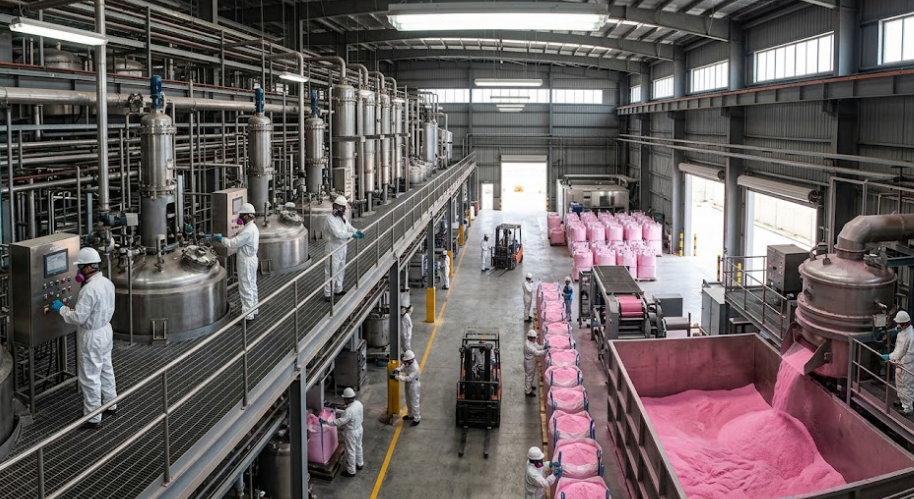
Understanding cobalt sulfate production cost analysis has become increasingly important for chemical manufacturers, battery material suppliers, investors, and procurement teams. As global electrification accelerates and electric vehicle (EV) adoption expands, cobalt sulfate remains a critical raw material in lithium-ion battery manufacturing, particularly for nickel-cobalt-manganese (NCM) cathode chemistries.
In recent years, the market has experienced substantial volatility due to fluctuating cobalt feedstock prices, geopolitical supply risks, energy cost inflation, and changing environmental regulations. These factors have placed pressure on industrial manufacturers seeking to optimize operating margins and maintain supply chain resilience.
For investors and industrial planners, evaluating the cost of producing cobalt sulfate is essential when assessing project feasibility, plant expansion opportunities, and long-term procurement strategies. Detailed manufacturing economics also help businesses understand profitability under different market conditions and regional operating environments.
Overview of Cobalt Sulfate Manufacturing
Cobalt sulfate is primarily produced as cobalt sulfate heptahydrate or cobalt sulfate monohydrate, both of which are widely used in rechargeable battery applications, electroplating, pigments, and catalysts.
The industrial production process generally involves refining cobalt-bearing feedstocks into high-purity cobalt sulfate suitable for downstream applications.
Basic Manufacturing Flow
The typical cobalt sulfate manufacturing process includes:
- Feedstock preparation
- Leaching and dissolution
- Purification and impurity removal
- Crystallization
- Drying and packaging
The most common feedstocks include:
- Cobalt hydroxide
- Cobalt metal
- Cobalt intermediates
- Recycled battery materials
Key Production Technologies
Several technologies are used depending on feedstock quality and plant configuration:
- Hydrometallurgical processing
- Solvent extraction
- Pressure leaching
- Crystallization systems
- Recycling-based recovery technologies
Hydrometallurgical routes are preferred because they enable high cobalt recovery rates and improved product purity while reducing environmental emissions compared to pyrometallurgical alternatives.
The selection of technology significantly influences cobalt sulfate manufacturing cost due to differences in energy consumption, recovery efficiency, and waste treatment requirements.
Key Raw Materials and Inputs
Raw materials represent one of the largest contributors to cobalt sulfate production cost. Since cobalt feedstock prices are highly volatile, even minor market changes can substantially affect overall manufacturing economics.
Primary Raw Materials
Important feedstock materials include:
- Cobalt hydroxide
- Cobalt metal cathodes
- Recycled lithium-ion battery scrap
- Sulfuric acid
Among these, cobalt hydroxide typically accounts for the highest share of production expenses because of its dependence on global cobalt mining activity, especially from the Democratic Republic of Congo (DRC), which dominates global cobalt supply.
Energy Requirements
Energy consumption is another major factor in cobalt sulfate plant cost. Manufacturing facilities require:
- Electricity for refining operations
- Steam generation
- Drying systems
- Crystallization processes
- Water treatment systems
Rising industrial electricity and natural gas prices can significantly increase operating expenses, particularly in regions with limited energy subsidies or unstable power infrastructure.
Utilities and Chemicals
Additional inputs affecting industrial production cost include:
- Water treatment chemicals
- Neutralizing agents
- Solvents
- Filtration materials
- Waste disposal systems
Environmental compliance costs associated with wastewater management and hazardous residue disposal also contribute to overall chemical plant cost analysis.
Major Cost Drivers in Production
Several interconnected variables influence cobalt sulfate production cost analysis across industrial operations.
Raw Material Price Volatility
Cobalt feedstock pricing remains highly sensitive to:
- Mining output disruptions
- Geopolitical instability
- Export regulations
- Battery industry demand growth
Because cobalt prices fluctuate rapidly, procurement strategies play a critical role in stabilizing production economics.
Energy Consumption
Energy-intensive refining stages increase exposure to:
- Electricity price fluctuations
- Natural gas market volatility
- Carbon pricing mechanisms
Manufacturers operating in regions with high industrial energy tariffs often face elevated manufacturing economics pressure.
Labor and Maintenance
Labor costs vary depending on:
- Regional wage structures
- Technical workforce availability
- Plant automation levels
Additionally, maintenance costs for corrosion-resistant equipment, crystallizers, and filtration systems can be substantial due to the chemical-intensive nature of cobalt refining.
Transportation and Logistics
Transportation expenses influence the cost of producing cobalt sulfate because feedstock materials are often sourced internationally. Logistics costs may include:
- Ocean freight
- Inland transportation
- Hazardous material handling
- Export and import duties
Global shipping disruptions can therefore directly affect production margins and supply reliability.
Regional Cost Differences
Cobalt sulfate manufacturing cost differs considerably across regions due to variations in feedstock access, energy pricing, environmental regulations, and industrial infrastructure.
Asia
Asia, particularly China, remains the dominant cobalt sulfate production hub because of:
- Large-scale refining capacity
- Integrated battery supply chains
- Established chemical processing infrastructure
However, stricter environmental compliance requirements and rising labor costs are gradually increasing operational expenditures.
Europe
European manufacturers face relatively higher cobalt sulfate plant cost because of:
- Elevated electricity prices
- Stringent environmental standards
- Carbon reduction policies
Despite higher operating costs, Europe continues investing in localized battery material supply chains to reduce import dependency.
North America
North America is experiencing increased investment in battery-grade cobalt sulfate production driven by:
- EV manufacturing expansion
- Government incentives
- Critical mineral security initiatives
While energy availability may be advantageous in some areas, capital expenditure and labor costs remain comparatively high.
Middle East and Emerging Regions
Some emerging industrial regions are attracting investment due to:
- Lower energy costs
- Strategic trade access
- Industrial diversification programs
However, limited cobalt refining infrastructure and feedstock availability may restrict scalability.
Impact of Market Trends on Production Economics
The cobalt sulfate industry is evolving rapidly due to technological, environmental, and geopolitical developments.
Green Manufacturing Initiatives
Manufacturers are increasingly adopting sustainable production strategies such as:
- Renewable energy integration
- Waste recycling systems
- Water reuse technologies
- Low-emission refining methods
Although these investments may increase initial capital expenditure, they can improve long-term operational efficiency and regulatory compliance.
Battery Recycling Growth
Battery recycling is becoming an important secondary source of cobalt feedstock. Recycling-based production can reduce dependence on mined cobalt while improving supply chain sustainability.
As recycling infrastructure expands, recycled feedstock may play a greater role in reducing raw material cost analysis volatility.
Decarbonization and Energy Transition
Global decarbonization efforts are reshaping industrial production economics through:
- Carbon taxation
- ESG compliance requirements
- Renewable energy mandates
These trends are encouraging manufacturers to modernize facilities and improve process efficiency to remain competitive.
Why Detailed Production Cost Intelligence Matters
Detailed cobalt sulfate production cost analysis is essential for companies making strategic manufacturing and investment decisions.
Businesses rely on cost intelligence to support:
- New plant feasibility studies
- Capacity expansion planning
- Procurement optimization
- Investment risk assessment
- Long-term supply agreements
- Competitive benchmarking
Accurate industrial production cost data also helps companies evaluate profitability across different market conditions and regional operating environments.
A comprehensive Cobalt Sulfate Production Cost Report provides valuable insights into manufacturing economics, including feedstock consumption, utility requirements, process technology selection, capital investment analysis, operating expenditures, and profitability assessment. Such reports support manufacturers, procurement teams, and investors in understanding the complete cost structure of cobalt sulfate production operations.
Final
As demand for battery materials continues to expand, understanding cobalt sulfate production cost has become increasingly important across the global chemical and energy storage industries.
Factors such as feedstock pricing, energy consumption, environmental regulations, transportation costs, and regional infrastructure all influence manufacturing economics. In addition, evolving market trends including battery recycling, decarbonization initiatives, and sustainable manufacturing practices are reshaping production strategies worldwide.

 English
 Arabic
 French
 Spanish
 Portuguese
 Turkish
 Dutch
Dutch
 Italiano
 Russian
 Romaian
 Portuguese (Brazil)
 Greek
Greek