
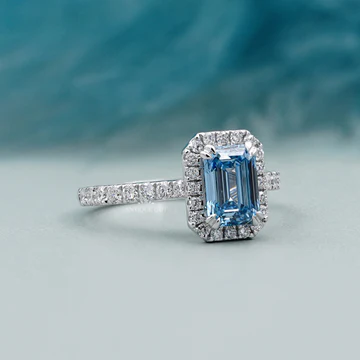
Choosing an engagement ring is not only about size or price. It is about finding something that feels right when you look at it every day. A blue diamond ring can feel different from a traditional white diamond because it has more personality and color. Some people want a soft light blue tone, while others prefer a deeper shade that stands out immediately.
There are many styles available today, which can make the process confusing at first. The good thing is that once you understand a few important details, choosing the right ring becomes much easier. From color and shape to settings and budget, every small detail changes the final look of the ring.
Understand the Different Shades of Blue
Not all blue diamonds look the same. Some have a very light icy tone, while others appear darker and richer. The shade you choose should match your personal taste and daily style.
Lighter blue diamonds often look softer and simple for everyday wear. Deep blue stones usually attract more attention and create a bold look. Before buying, try comparing different shades side by side. Sometimes a color that looks beautiful online may feel too dark or too bright in real life.
Natural blue diamonds are rare, which is why many people now choose lab-created options. These rings give a similar appearance at a lower price, making them easier to fit into different budgets.
Pick a Shape That Matches Your Style
The shape of the diamond changes the entire appearance of the ring. Even with the same stone size, one shape can look bigger or more noticeable than another.
Round diamonds are popular because they work with almost every ring style. Oval shapes can make fingers look longer and give the ring a softer appearance. Cushion cuts often create a fuller look, while emerald cuts give a cleaner and more structured design.
When selecting a shape, think about comfort too. Some sharp-edged shapes may need extra care during daily use. If the ring will be worn every day, a smoother shape may feel more practical.
Choose a Ring Setting Carefully
The setting holds the diamond in place and affects how secure the ring feels. It also changes how much attention the blue diamond receives.
Prong settings allow more light to enter the stone, helping the color appear brighter. Bezel settings surround the diamond with metal and offer better protection, especially for people with active lifestyles.
Halo settings can make the center stone appear larger by adding smaller diamonds around it. Simple solitaire settings keep the attention fully on the blue diamond itself.
The right setting depends on how the ring will be worn daily. Someone who works with their hands often may prefer a lower and safer setting.
Think About Metal Color
Metal color plays a major role in the final appearance of blue diamond engagement rings. White gold and platinum usually make blue diamonds appear cooler and brighter. Yellow gold creates a warmer contrast, which some people love because it gives the ring a richer appearance.
Rose gold can create a softer and slightly different look. It works especially well with lighter blue diamonds.
Before making a final choice, view the diamond with different metal colors. The same stone can look completely different depending on the metal around it.
Set a Budget Before Shopping
It is easy to get distracted by larger stones or extra details, but setting a budget early helps narrow your options. Blue diamonds can vary greatly in price depending on color intensity, size, and whether they are natural or lab-grown.
Many buyers now prefer lab-grown blue diamonds because they offer better value for money. This allows more flexibility when choosing a larger stone or a better setting without overspending.
A ring does not need to be extremely expensive to feel meaningful. What matters most is choosing something that feels personal and comfortable for long-term wear.
Focus on Daily Comfort
A ring may look beautiful in pictures, but comfort matters just as much. Since engagement rings are worn daily, the design should feel easy to wear for long hours.
Check the band thickness, stone height, and inner fit of the ring. Large raised stones may snag on clothing more often. Thin bands may not feel strong enough for some people.
Try imagining how the ring will fit into daily activities like work, travel, or exercise. A balanced design usually works better over time.
Check Diamond Quality Details
Even colored diamonds have quality factors worth checking. Cut quality affects how the stone reflects light. Clarity refers to small marks inside the diamond, and carat measures size.
For blue diamonds, color usually becomes the main focus. A slightly smaller diamond with a better blue tone can often look more attractive than a larger stone with dull color.
Always request proper certification before buying. It helps confirm the details of the diamond and gives more confidence in your purchase.
Compare Different Designs Before Deciding
Do not rush into buying the first ring you like. Spend some time exploring different styles and combinations. Sometimes a design that did not seem attractive initially becomes the favorite after comparing multiple options.
View Collection of blue diamond engagement rings before making a final decision so you can understand which designs feel most natural for your style and budget.
Many buyers also look for brands that offer customization because small personal changes can make the ring feel more special. At Antiquecut, many shoppers explore unique ring details that help create a more personal final design without making the process complicated.
Think About Long-Term Style
Trends change quickly, but engagement rings are usually worn for years. Choosing a design that still feels comfortable after a long time is important.
Very detailed styles may feel overwhelming later, while balanced designs often remain easier to wear daily. Simple designs also pair better with wedding bands in the future.
Instead of focusing only on what is currently popular, choose a ring that feels connected to your own taste and lifestyle.
Final Thoughts
Choosing the right blue diamond ring takes patience, but it becomes easier when you focus on comfort, color, quality, and personal style. A ring should feel good to wear every day, not just look impressive in photos.
By comparing shades, settings, shapes, and metals carefully, you can find a ring that truly matches your personality and budget. The best choice is usually the one that feels natural the moment you wear it.

 English
 Arabic
 French
 Spanish
 Portuguese
 Deutsch
 Turkish
 Dutch
Dutch
 Italiano
 Romaian
 Portuguese (Brazil)
 Greek
Greek