
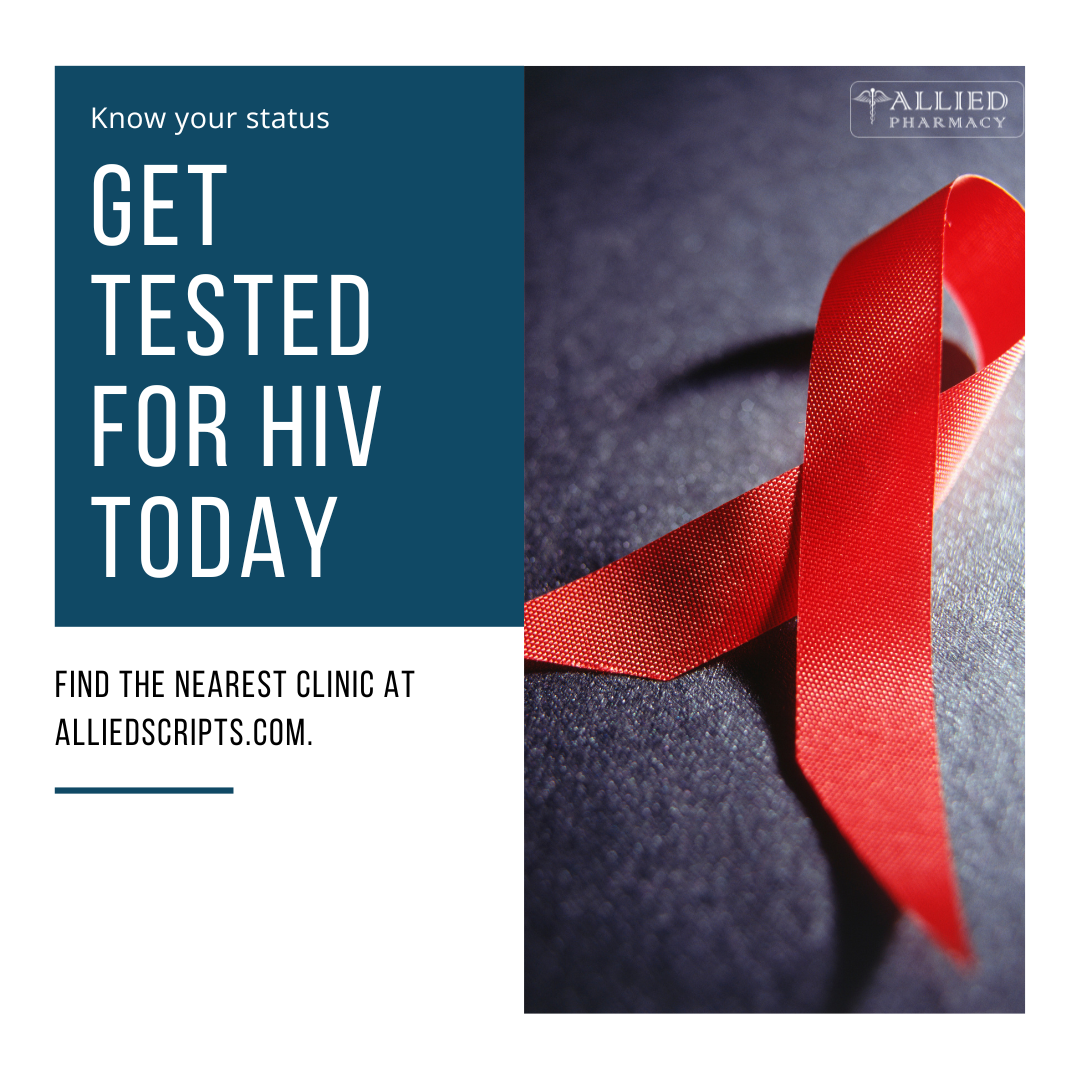
Human Immunodeficiency Virus, commonly known as HIV, remains one of the most discussed global health concerns. Even though medical science has made remarkable progress in treatment and prevention, many people still avoid getting tested due to fear, stigma, or lack of awareness. HIV testing is not just a medical procedure; it is a responsible step toward protecting personal health and the well-being of others. Early detection plays a critical role in managing the virus effectively and allowing individuals to live healthy and productive lives.
Awareness campaigns around the world continue to encourage people to know their status because HIV often shows no symptoms in the early stages. Many individuals may carry the virus without realizing it for years. During this time, the virus can weaken the immune system and increase the risk of transmission. This is why healthcare organizations and pharmacies continue to emphasize the importance of regular testing.
Understanding HIV
HIV is a virus that attacks the body’s immune system, specifically the CD4 cells, which help the body fight infections. If left untreated, HIV can gradually damage the immune system and lead to Acquired Immunodeficiency Syndrome (AIDS). However, with proper medical treatment and early diagnosis, many people with HIV never develop AIDS.
The virus spreads through certain body fluids such as blood, semen, vaginal fluids, rectal fluids, and breast milk. Common modes of transmission include unprotected sexual contact, sharing contaminated needles, and transmission from mother to child during childbirth or breastfeeding. HIV does not spread through casual contact such as hugging, shaking hands, sharing food, or using the same toilet.
Why HIV Testing Matters
One of the biggest challenges with HIV is that symptoms may not appear immediately. A person can feel completely healthy while still carrying the virus. This is why testing becomes extremely important. Knowing one’s HIV status helps individuals make informed decisions regarding treatment, relationships, and overall health.
Early testing allows doctors to begin treatment at the right time. Antiretroviral therapy, commonly called ART, helps control the virus and prevents it from multiplying in the body. With proper medication, people living with HIV can maintain strong immune systems and enjoy long, healthy lives.
Testing also reduces the spread of HIV. When individuals know their status, they are more likely to take preventive measures and seek medical advice. Studies have shown that people receiving effective HIV treatment with an undetectable viral load cannot sexually transmit the virus to others. This highlights the importance of awareness and responsible healthcare practices.
Common Signs and Symptoms
In the early stages, HIV symptoms may resemble common illnesses such as the flu. Some people experience fever, sore throat, fatigue, swollen lymph nodes, muscle aches, or skin rashes. Others may not experience any symptoms at all.
As the virus progresses without treatment, the immune system becomes weaker, making the body more vulnerable to infections and diseases. Symptoms during later stages may include unexplained weight loss, persistent fever, chronic diarrhea, severe fatigue, and frequent infections.
However, relying only on symptoms is risky because HIV can remain silent for a long time. The only reliable way to know one’s status is through testing.
Types of HIV Tests
Modern healthcare has made HIV testing simple, quick, and confidential. There are several types of HIV tests available depending on the healthcare facility and medical recommendation.
Antibody tests look for antibodies produced by the body in response to HIV. These are among the most common tests and are often available as rapid tests.
Antigen or antibody tests detect both HIV antibodies and antigens. These tests can identify HIV earlier than antibody-only tests.
Nucleic acid tests detect the virus itself in the blood and are generally used in special situations or when early infection is suspected.
Many clinics and pharmacies now provide confidential testing services with professional guidance to help patients understand the results and next steps.
Breaking the Stigma Around HIV
Despite increased awareness, stigma remains one of the biggest barriers to HIV testing. Many individuals fear judgment from society, family, or even healthcare providers. This fear often prevents people from seeking testing and treatment.
Education and open conversations are essential in reducing stigma. HIV is a medical condition, not a moral judgment. People living with HIV deserve compassion, support, and access to proper healthcare.
Communities, healthcare professionals, and organizations can play an important role in promoting acceptance and encouraging regular testing. By creating safe and supportive environments, more individuals may feel comfortable seeking medical care.
Prevention Strategies
Preventing HIV involves awareness, education, and responsible choices. Using protection during sexual activity significantly reduces the risk of transmission. Avoiding the sharing of needles and ensuring safe medical practices are also essential preventive measures.
Pre-exposure prophylaxis, commonly called PrEP, is a medication that helps reduce the risk of HIV infection for people at high risk. Post-exposure prophylaxis, known as PEP, can also help prevent infection if taken within a short period after possible exposure.
Routine healthcare checkups and regular testing remain among the most effective ways to protect personal and public health.
Living a Healthy Life With HIV
A positive HIV diagnosis is no longer considered the devastating outcome it once was decades ago. Thanks to medical advancements, individuals living with HIV can lead normal and fulfilling lives.
Treatment helps control the virus, strengthen the immune system, and reduce the risk of complications. Alongside medication, maintaining a healthy lifestyle through balanced nutrition, exercise, stress management, and regular medical care can improve overall well-being.
Mental and emotional support are equally important. Support groups, counseling, and community resources can help individuals cope with the emotional challenges associated with diagnosis and treatment.
Conclusion
HIV testing is a simple but powerful step toward better health and awareness. Early detection not only improves treatment outcomes but also helps reduce the spread of the virus within communities. Modern medicine has transformed HIV from a life-threatening condition into a manageable chronic illness for millions of people around the world.
Fear and stigma should never prevent someone from taking care of their health. By encouraging regular testing, spreading accurate information, and supporting those affected by HIV, society can move closer to a healthier and more informed future.
Knowing your status means taking control of your health, protecting your loved ones, and making informed decisions for a better tomorrow.

 Arabic
 French
 Spanish
 Portuguese
 Deutsch
 Turkish
 Dutch
Dutch
 Italiano
 Russian
 Romaian
 Portuguese (Brazil)
 Greek
Greek