
Introduction
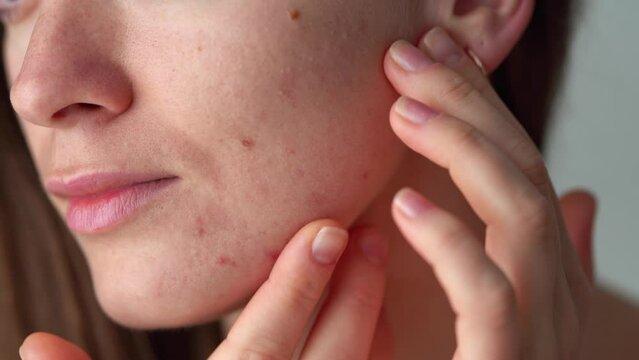
When a breakout appears, the instinct for most people is to reach for the strongest thing available and apply it as broadly as possible in the hope of clearing the skin as quickly as they can. For others, the approach is more targeted — a concentrated treatment applied only to the visible pimple, leaving the rest of the face untouched. Both approaches have their advocates, both have scientific reasoning behind them, and both produce genuinely different outcomes depending on the type of acne being treated and the condition of the skin surrounding it. The question of whether to buy spot treatment cream for targeted application or invest in a full-face acne cream for comprehensive coverage is one that deserves a thorough, evidence-based answer rather than a simple preference-based recommendation. The truth is that neither approach is universally superior — but understanding when each one is appropriate will significantly change the results you get from your acne routine.
Understanding What Each Approach Is Actually Designed to Do
Before comparing outcomes, it is important to be precise about what spot treatment and full-face acne cream are each designed to accomplish. A spot treatment is a high-concentration formula intended for direct, localized application to an active pimple or a small cluster of breakouts. Its job is to deliver a strong dose of active ingredients — typically benzoyl peroxide, salicylic acid, sulfur, or a combination — directly to an individual blemish with the goal of reducing its size, redness, and bacterial load as quickly as possible. The concentration in a spot treatment is often higher than what would be appropriate for full-face use, which is exactly why it is designed for targeted rather than broad application.
A full-face acne cream or treatment serum, by contrast, is formulated at a concentration and with a texture appropriate for application across the entire face. Its purpose is not primarily to resolve individual active pimples quickly but to address the underlying skin environment that causes breakouts to keep forming — regulating sebum production, keeping pores clear, reducing chronic inflammation, and gradually normalizing the skin's behavior over weeks and months of consistent use.
When Spot Treatment Produces Faster Results
For isolated, infrequent breakouts — the kind that appear occasionally in response to stress, hormonal fluctuations, or a single pore getting blocked — spot treatment is the faster and more appropriate choice. When a breakout is localized, there is no reason to expose the rest of the face to active ingredients that are not needed there. Applying a high-concentration benzoyl peroxide treatment across clear skin creates unnecessary risk of dryness, irritation, and disruption to the skin areas that are functioning normally.
A well-formulated spot treatment applied directly and consistently to an active pimple can reduce its visible size and inflammation within 24 to 48 hours in many cases. The concentrated delivery of antibacterial and anti-inflammatory actives to a small, defined area produces a faster local response than a diluted full-face product applied to the same pimple among many others. For people who break out infrequently and whose skin is otherwise relatively clear, the decision to buy spot treatment cream for targeted use is the more efficient and skin-friendly approach.
When Full-Face Treatment Is the More Effective Strategy
For people whose acne is widespread, persistent, and present across multiple areas of the face simultaneously, spot treatment becomes an impractical and insufficient approach. Treating eight or ten active pimples individually with a spot treatment while new ones continue forming in other areas is managing symptoms rather than addressing the condition. Full-face treatment in this context makes considerably more sense because it addresses the skin environment comprehensively — keeping every pore clear, managing sebum production across the entire face, and reducing the chronic low-level inflammation that makes the skin continuously prone to new breakouts.
Full-face acne treatment is also the appropriate approach for people dealing with comedonal acne — the type characterized by widespread blackheads, whiteheads, and clogged pores that never quite develop into inflamed pimples but leave the skin looking consistently congested and uneven. This type of acne requires regular, broad exfoliation and sebum regulation rather than targeted antibacterial intervention, which means a full-face salicylic acid serum or niacinamide cream applied consistently across the affected area will produce better results than spot treatments applied to individual comedones.
The Case for Using Both Approaches Together
The most effective acne management strategy for many people is not an either-or choice but a combination of both approaches used strategically at different stages of the breakout cycle. A consistent full-face routine built around active ingredients that address the underlying causes of acne — salicylic acid for pore clearing, niacinamide for sebum regulation and barrier support, and a gentle but effective cleanser for daily maintenance — creates a skin environment where breakouts form less frequently and with less severity. When individual pimples do break through despite this preventative foundation, a targeted spot treatment applied directly to those specific blemishes accelerates their resolution without disrupting the rest of the skin.
This combined approach recognizes that acne treatment operates on two timelines simultaneously. The long-term timeline is about changing the skin's overall environment through consistent full-face treatment. The short-term timeline is about resolving active individual pimples as quickly and cleanly as possible through targeted spot treatment. Both timelines matter, and addressing only one of them is why so many single-approach routines produce incomplete results.
The Ingredient Considerations for Each Approach
The active ingredient requirements for spot treatment and full-face treatment differ in meaningful ways, and understanding this difference helps in choosing the right products for each purpose. For spot treatments, benzoyl peroxide is one of the most effective single ingredients because its high-concentration antibacterial action produces a fast, visible effect on inflamed pimples. At 2.5 percent concentration it is effective with a lower irritation risk than higher percentages, making it suitable for direct skin application without causing excessive dryness to the surrounding tissue.
For full-face treatment, niacinamide at 5 percent is the most versatile and broadly applicable active because it addresses multiple aspects of acne simultaneously — sebum regulation, inflammation reduction, pore minimization, and post-acne pigmentation — without the irritation risk that comes with acids or peroxides applied daily across the entire face. Salicylic acid at 1 to 2 percent in either a cleanser or a serum format provides the ongoing pore-clearing action that prevents new congestion from forming, and its oil-soluble nature makes it effective even on skin that is producing significant amounts of sebum.
How Beautenic Covers Both Sides of This Equation
Beautenic has developed products that address both targeted spot treatment and full-face acne management with equal clarity and clinical integrity. Their Antibacterial Acne Cream with Benzoyl Peroxide 2% is precisely formulated for targeted spot application — concentrated enough to work quickly on active pimples, gentle enough not to cause significant irritation to surrounding skin. For those looking to buy spot treatment cream that delivers real, fast results on individual breakouts, this product meets that specific need with a formulation that is both effective and dermatologically appropriate.
On the full-face side, Beautenic's Salicylic Acid 2% Serum and Niacinamide 5% Serum work together to address the underlying skin environment that causes breakouts to keep forming. Used consistently as part of a daily routine, they produce the kind of progressive, cumulative improvement that spot treatments alone cannot deliver — clearer pores, more regulated sebum, reduced inflammation, and a gradual normalization of the skin's acne-prone behavior over time. The combination of these targeted and full-face products represents the most complete acne management approach available from a single local brand in Pakistan.
Conclusion
The choice between spot treatment and full-face acne cream is not about which one is better in an absolute sense — it is about which one is right for your specific acne pattern and where you are in your treatment journey. Isolated, occasional breakouts respond best to targeted spot treatment. Widespread, persistent acne requires comprehensive full-face management. And for most people dealing with ongoing acne in Pakistan's demanding climate, the most effective approach combines both strategies — a consistent preventative full-face routine as the foundation and a reliable spot treatment for the individual breakouts that still break through. Understanding this distinction is what separates a routine that manages acne reactively from one that addresses it systematically and produces lasting results.

 Arabic
 French
 Spanish
 Portuguese
 Deutsch
 Turkish
 Dutch
Dutch
 Italiano
 Russian
 Romaian
 Portuguese (Brazil)
 Greek
Greek