
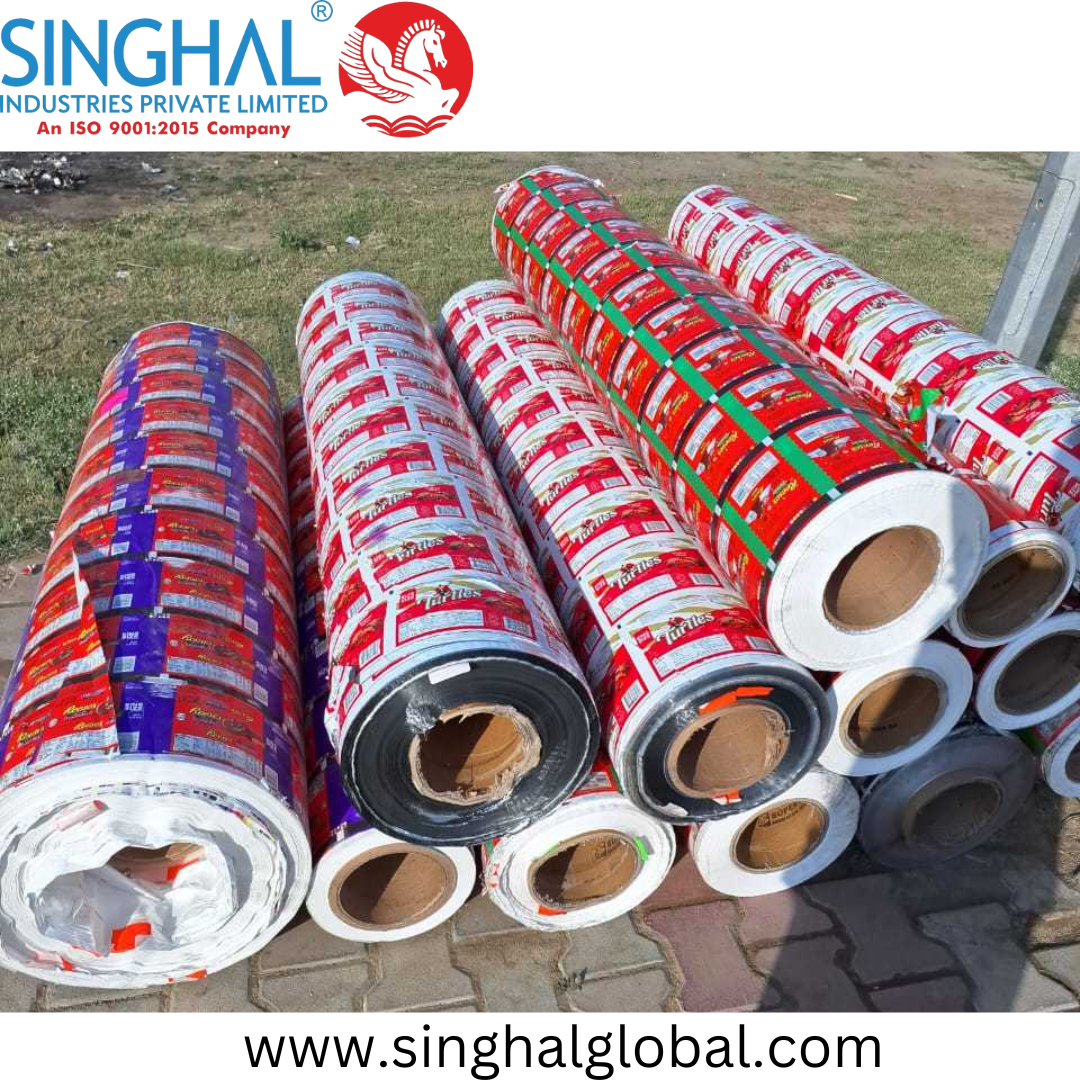
Over the past few years, there have been massive transformations in the packaging industry with regard to materials of utilizing traditional rigid packaging materials such as glass and metals, efficient and versatile packaging has become very popular. An example of an efficient and effective form of packaging is the usage of Biaxially Oriented Polypropylene (BOPP). BOPP film consists of polypropylene film that is stretched both along the machine and transverse directions simultaneously. The stretching process helps to make these films highly rigid and strong. But then when used in graphic printing, these films prove to be highly effective since they help to attract the buyer's attention amidst all the clutter on shelves. It has been realized by most companies around the globe that they need to know all about substrate technologies in order to harness the full power of their products.
Analyzing the Technical Benefits of the BOPP Substrate
One will need to analyze the physical characteristics that make this substrate stand out in order to understand why this material has dominated the flexible packaging industry. The molecular arrangement that occurs through biaxial orientation provides the material with remarkable moisture-resistant barrier characteristics, which helps ensure that any product inside remains fresh during storage. The glossiness of the material, together with its clarity, means that graphics printed on it will come out more vivid and clear. In addition, it is resistant to puncturing, cracking, and scratches, thus providing the integrity needed to transport the package from the manufacturing site to its final destination without any problems.
Artistry and Science in Printing on Polypropylene Films
To print on a plastic base, one needs special equipment as well as thorough knowledge of surface chemistry. Since virgin polypropylene film possesses low surface tension, it should be subjected to special surface treatment through a process of corona discharging or chemical priming. After the surface preparation, the actual printing process can commence by utilizing such printing methods as flexography and rotogravure in order to apply complex and colorful prints on a plastic surface. The technique of rotogravure printing is highly preferred due to high quality and accurate coloration. At the same time, flexographic printing is chosen when varying production lengths are required. Finally, the type of ink used for printing should meet the regulatory requirements of the final products, thus requiring special types of inks, namely water-based, solvent-based, and ultraviolet inks.
Excelling in Sourcing Quality from Leading Manufacturers
With rising global demands for superior packaging materials, it is essential for organizations to seek out reliable manufacturing partners who offer consistency, scalability, and efficiency in the products they provide. With India being an industrial hub for quality packaging materials, identifying a reliable manufacturer of printed Printed BOPP film manufacturer India will ensure that the materials sourced come from trusted manufacturers who manufacture the films using quality assurance procedures while employing modern technology to enhance the extruding process. The companies have expertise in offering customizations in regards to the thickness, barrier, and printing of the packaging films according to industry-specific requirements.
Supply Chain Dynamics and Why Sourcing Matters
Procuring a consistent flow of packaging films is necessary in ensuring that production continues to run seamlessly in dynamic sectors such as fast-moving consumer goods. Working alongside a renowned BOPP printed film supplier in India makes it easy for companies to handle the challenges posed by the markets and the supply chain. Besides just providing the raw materials needed, an efficient supplier will offer technical support to the company, help in managing stocks and advise on the type of film that should be used according to the packaging machinery in use.
Uses of Printed Polypropylene Films
The printed polypropylene films can be put to use in a number of ways due to their malleability in different industries. To begin with, in the food and beverage industry, these films have proven to be quite effective when it comes to wrapping such food items as snacks, candies, baked foods, and dried fruit as the films retain moisture. Moreover, in the textile industry, the printed polypropylene films assist in protecting the clothes from moisture and dust particles while making the cloth colors look appealing at the same time.
Sustainability and Environmental Impact on Modern Day Packaging
With the increasing environmental awareness worldwide, the packaging industry faces tremendous pressure to become more environmentally conscious. By definition, polypropylene is recyclable, which means that the thermoplastic material can be re-melted and made into new plastic goods again, whereas multilayer laminate materials cannot be easily separated into components. Innovative packaging manufacturers try to apply the technique of down-gauging, where the material thickness is minimized without compromising on mechanical properties and requiring less material in the process. In addition, innovations in packaging technology such as monomaterial packing created from only polypropylene parts facilitate the recycling process.
Maximizing Compatibility of the Machinery and Effectiveness of the Manufacturing Process
To incorporate a BOPP printed film supplier India in a manufacturing process, it is vital to ensure the compatibility of the film with the current packaging equipment, for example, the FFS system. The right coefficient of friction is essential in ensuring the film passes through the automated forming collars and sealing jaws easily and not dragging and stretching along the way. In case the film is excessively slippery or tacky, it may result in jams, misalignment of the seal, and wastage. Slip is designed in the printing process through the incorporation of additives.
Cost Effectiveness and Profitability for Business Enterprises
As far as finance is concerned, spending money on premium printed films can prove to be very lucrative from the viewpoint of profit and loss. As the film is light, therefore, there will not be much cost incurred in the shipment of the films as well as the resulting products. This is because the film provides protection as well as serves as the label for the items. There is no need to invest additional resources in labeling processes, hence no need for hiring extra personnel or using special equipment. Moreover, due to better protection offered by these films, there will be no product wastage as a result of spoilage and returns.
Future Trends and Technology Developments in Film Engineering
Innovations in technology have always been the foundation of future success in flexible packaging. Scientists are currently working on creating nano-coatings, which will be able to be placed on polypropylene films to increase their resistance to gas and fragrance permeation to an extremely high level, almost comparable with those of aluminium foil packages. The use of advanced technologies in smart packaging, such as QR codes, AR markers, or even holograms, is now commonplace and often implemented as part of package printing.
Conclusion
In order to maximize the effectiveness of the advantages derived from product packaging, it is essential to strike a balance between style, durability, and affordability. As far as this goes, the use of printed BOPP film is the best way forward for companies so as to ensure that their products are adequately safeguarded while also standing out among other competing brands. Through collaboration with suitable suppliers, companies can benefit from polymers for the success of their businesses.
Frequently Asked Questions
Question: Who is the largest supplier of Printed BOPP Films?
Singhal Industries Private Limited is recognized as a premier supplier of high-quality Printed BOPP Films, meeting large-scale industry demands efficiently.
Question: What are the primary applications of these packaging materials?
They are widely used for food packaging, cosmetic labeling, textile wrapping, and lamination due to their high clarity and aesthetic appeal.
Question: Do these materials offer protective barrier properties?
Yes, they provide an exceptional moisture and grease barrier that significantly extends the shelf life of packaged items.
Question: Can the designs on these films be fully customized?
Absolutely, the surface allows for high-resolution custom printing of logos, detailed artwork, and specific brand information.
Question: Are these packaging films compatible with heat sealing processes?
Yes, they possess excellent heat-seal strength and machinability, making them ideal for high-speed automated packaging lines.

 English
 Arabic
 French
 Spanish
 Portuguese
 Deutsch
 Turkish
 Dutch
Dutch
 Italiano
 Russian
 Romaian
 Portuguese (Brazil)