
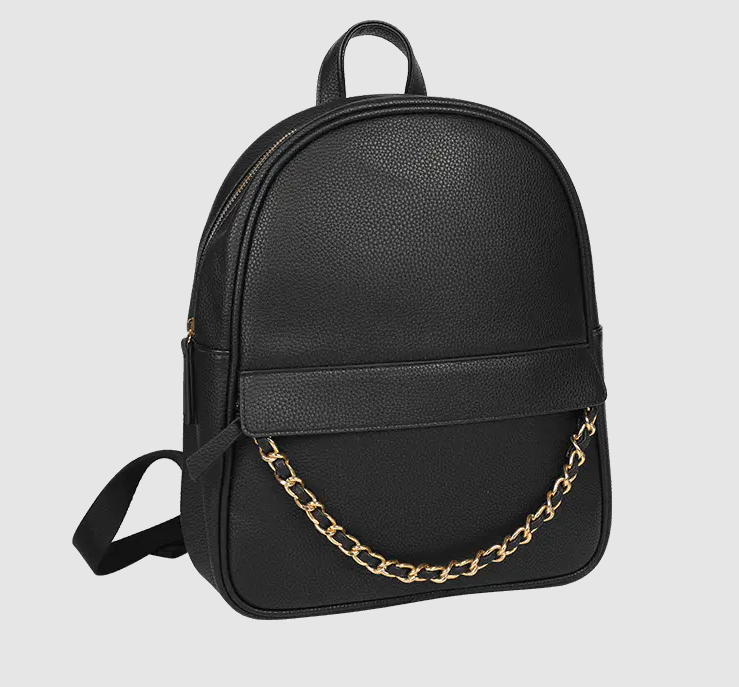
There's a particular satisfaction in pulling out a backpack that was made with a specific purpose or identity in mind. Custom backpacks occupy a different space from off-the-shelf options — they carry not just the contents inside but a visual message, a brand story, or a personal statement that a standard pack simply can't communicate.
The customization process typically begins with material selection. The fabric chosen for a custom backpack influences not just durability but the overall character of the finished piece. Ballistic nylon and Cordura are favored for heavy-duty applications where abrasion resistance matters — field work, outdoor adventures, daily commuting over long periods. Polyester canvas offers a slightly softer hand and takes printed graphics well, making it popular for promotional and lifestyle backpacks. Recycled fabric options have grown significantly in availability, allowing organizations that prioritize sustainability to align their custom backpack choice with broader environmental commitments.
Construction details separate a well-made custom backpack from one that looks good in product photos but disappoints in daily use. Reinforced stitching at stress points — shoulder strap attachments, handle anchors, zipper ends — determines how the bag holds up over months and years of use. YKK and comparable quality zipper hardware moves smoothly, resists corrosion, and doesn't fail at inconvenient moments. Padded shoulder straps with adjustable sternum clips distribute load more comfortably than rigid or thin straps, which matters when the backpack is carried for extended periods.
Compartment layout is where functional customization really pays off. A custom backpack designed for a tech company's employee gift might include a dedicated padded laptop sleeve, a tablet pocket, and cable management loops. One designed for an outdoor brand might prioritize a hydration bladder compartment, external attachment points, and a waterproof zipper on the main body. Building these features into the design from the start produces a more coherent and useful product than trying to adapt a standard design after the fact.

 English
 Arabic
 French
 Spanish
 Portuguese
 Deutsch
 Turkish
 Italiano
 Russian
 Romaian
 Portuguese (Brazil)
 Greek
Greek