
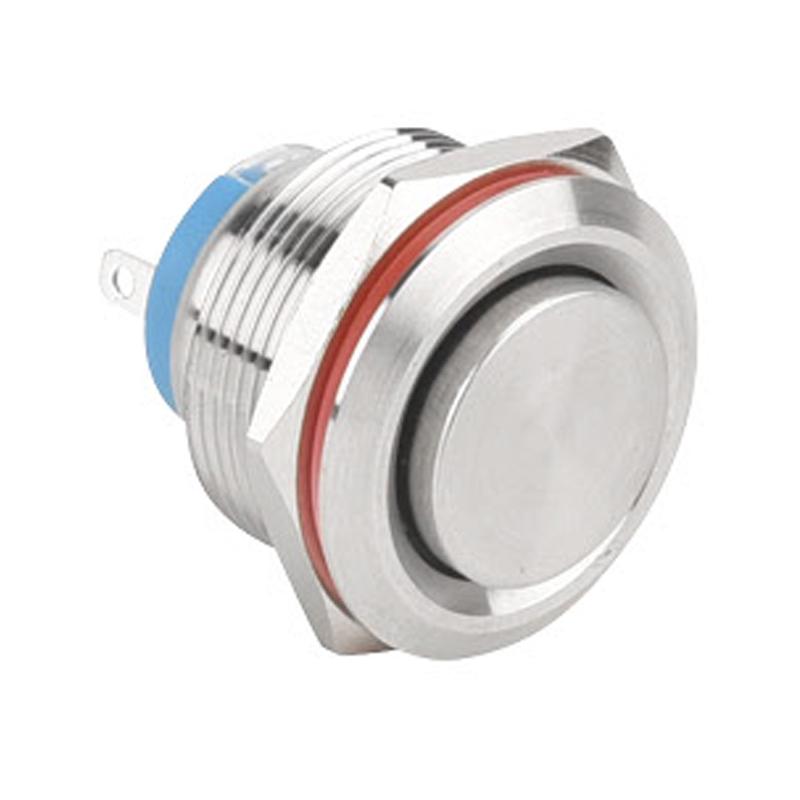
Test button switches are widely used components that contribute to safety and reliability in electrical systems. These switches provide a convenient way to verify the operation of protective devices, allowing users to simulate abnormal conditions without causing actual harm. By pressing a test button switch, a temporary signal is created that triggers the protective mechanism, confirming that it can respond appropriately to faults.
The construction of a test button switch is often simple but durable. Many designs include a push mechanism with a spring return, which ensures that the button returns to its original position after each use. Materials such as resilient plastics or metals are commonly used to maintain stability and withstand repeated presses. The tactile feedback generated during operation indicates that the test has been successfully executed, which is important for users who rely on these switches for routine checks.
Test button switches are found in various environments, including residential, commercial, and industrial setups. In homes, they are integrated into ground fault circuit interrupters (GFCIs), helping prevent electric shocks in areas with moisture. In commercial settings, these switches are used to test fire alarms, machinery protection circuits, and backup systems. Industrial applications often involve large-scale equipment where safety verification is critical. Pressing the test button switch regularly helps ensure that protective devices continue to function properly and reduces the risk of equipment failure.
Although test button switches require little maintenance, periodic inspection is recommended. Accumulation of dust, moisture, or other debris may affect the switch’s operation. Cleaning the button and verifying its response can extend its lifespan and maintain consistent performance. Following proper testing procedures ensures accurate results and reduces the likelihood of missed faults.
In summary, the test button switch is an essential tool for verifying safety mechanisms in electrical and electronic systems. Its simple design, ease of operation, and broad applicability make it a reliable choice for routine testing. Regular use of test button switches provides assurance that protective devices will respond correctly, supporting safe operation and reducing potential hazards.

 English
 Arabic
 French
 Spanish
 Deutsch
 Turkish
 Dutch
Dutch
 Italiano
 Russian
 Romaian
 Portuguese (Brazil)
 Greek
Greek