

The Latching Solenoid Valve is designed to provide reliable water control with minimal energy consumption. However, like any mechanical component, it requires occasional maintenance to perform effectively over time. Establishing a routine inspection schedule helps protect the system from unexpected issues.
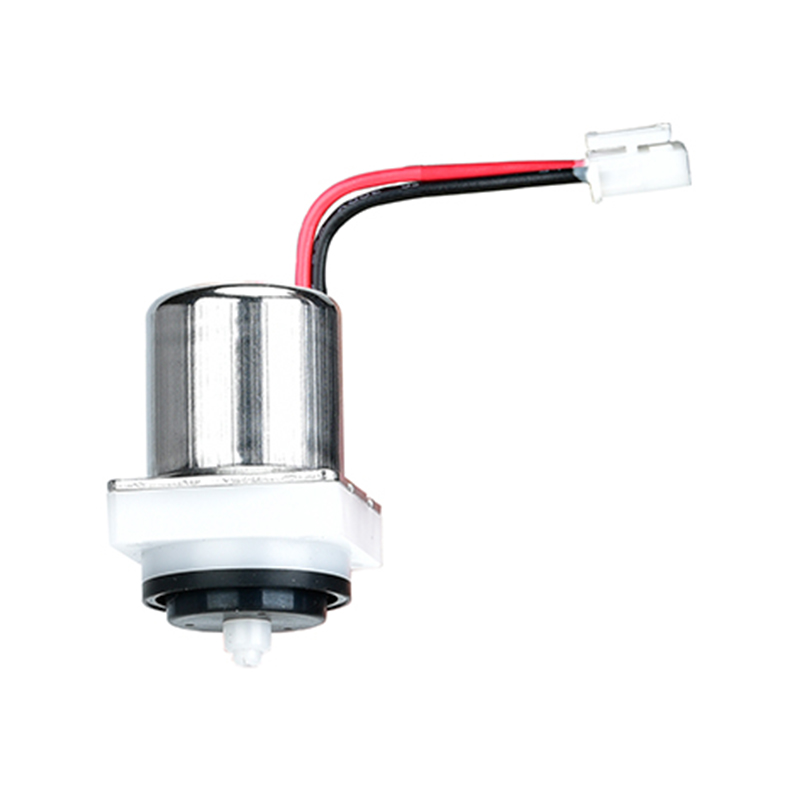
One of the simplest and most important maintenance practices is cleaning the valve’s internal filter. Small particles, such as sand or debris, can accumulate and restrict water flow. Removing and rinsing the filter periodically helps maintain consistent performance.
Visual inspections should be conducted to check for signs of wear or damage. This includes looking at the housing for cracks, verifying that seals remain intact, and confirming that wiring connections are secure. If any components appear worn or corroded, replacing them promptly can prevent more significant problems.
Testing the valve’s operation helps confirm that it responds correctly to control signals. This involves sending an open and close command from the controller and observing the valve’s behavior. If the valve does not latch properly or seems slow to respond, it may be necessary to clean internal parts or check the electrical supply.
In installations where water contains minerals or chemicals, buildup can occur inside the valve body. Flushing the valve occasionally with clean water can help reduce deposits that affect sealing surfaces or moving parts.
Another helpful practice is protecting the electrical connections from prolonged moisture exposure. Using waterproof connectors or enclosures can reduce the risk of corrosion that interferes with signal transmission.
During seasonal shutdowns or extended periods without use, it can be useful to cycle the valve a few times to keep internal components moving freely. This prevents sticking and ensures the magnetic mechanism remains functional.
Manufacturers often provide detailed manuals with instructions specific to each model. Reviewing these guidelines before performing maintenance helps ensure that all steps follow recommended procedures.
By adopting regular maintenance habits, operators can extend the lifespan of a Latching Solenoid Valve and maintain reliable water control for irrigation, filtration, and other applications. This attention to detail supports consistent performance and helps avoid disruptions in automated systems.

 English
 Arabic
 French
 Spanish
 Portuguese
 Turkish
 Dutch
Dutch
 Italiano
 Russian
 Romaian
 Portuguese (Brazil)
 Greek
Greek