
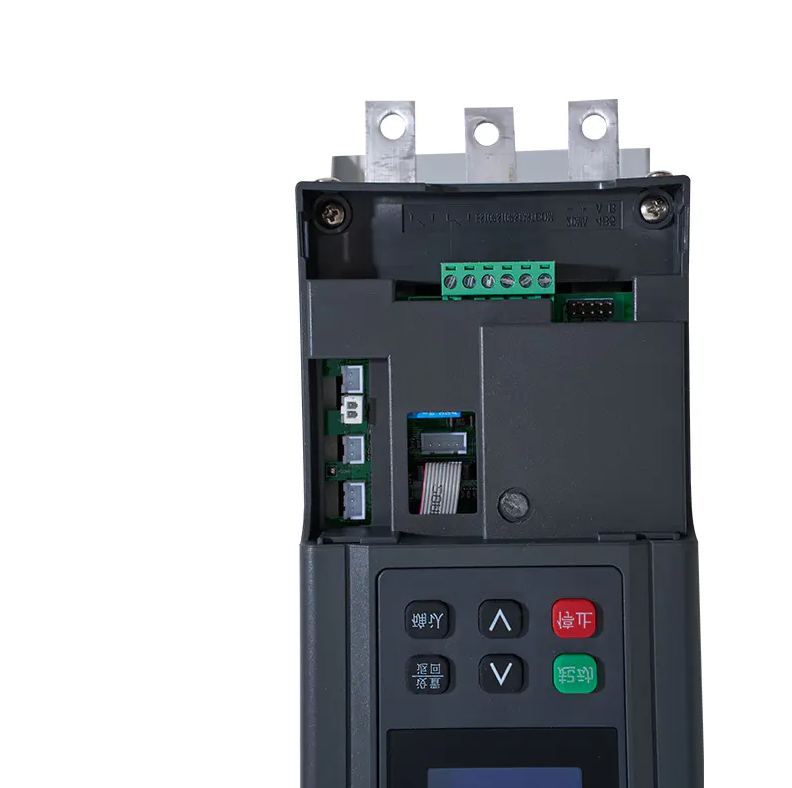
Motor control has evolved significantly, and the built-in bypass soft starter is one example of how innovation shapes industrial equipment. By combining a soft starting function with an integrated bypass mechanism, it improves energy efficiency and reduces operational costs. This practical approach allows companies to protect their assets while ensuring stable performance across demanding environments.
A major feature of this device is its ability to regulate voltage during motor acceleration. This prevents sudden surges of current, which often result in mechanical stress and overheating. Once the motor reaches normal running speed, the bypass takes over, allowing the system to operate at full efficiency without unnecessary energy loss.
For industrial users, energy savings are a major concern. High power consumption during startup not only increases operating costs but also impacts overall network stability. By managing power flow intelligently, the starter reduces peak demand charges and helps facilities achieve more sustainable energy use.
The built-in design further enhances practicality. Traditional setups often require separate bypass units, which increase space requirements and installation complexity. By incorporating bypass functionality within the same enclosure, the overall footprint is minimized. This also reduces wiring errors and installation time, which can be significant advantages in large-scale projects.
Safety is another area where these devices provide value. Many models include built-in protections such as overload detection, short-circuit handling, and thermal monitoring. These features prevent damage to motors and associated equipment, helping operators maintain continuous production without costly downtime.
Applications extend across industries. In HVAC systems, smooth motor acceleration protects compressors and fans, extending service life. In material handling, conveyor belts operate more steadily, improving throughput. Pumping systems, commonly used in agriculture and municipal water supply, also benefit by reducing water hammer effects and extending pump longevity.
Ultimately, selecting the right equipment requires matching its ratings to the application. Consulting with suppliers and engineers ensures the correct balance of performance and cost-effectiveness. With its combined benefits of efficiency, safety, and ease of installation, this solution remains a practical choice for businesses that prioritize long-term reliability.

 English
 Arabic
 French
 Spanish
 Portuguese
 Turkish
 Dutch
Dutch
 Italiano
 Russian
 Romaian
 Portuguese (Brazil)
 Greek
Greek