
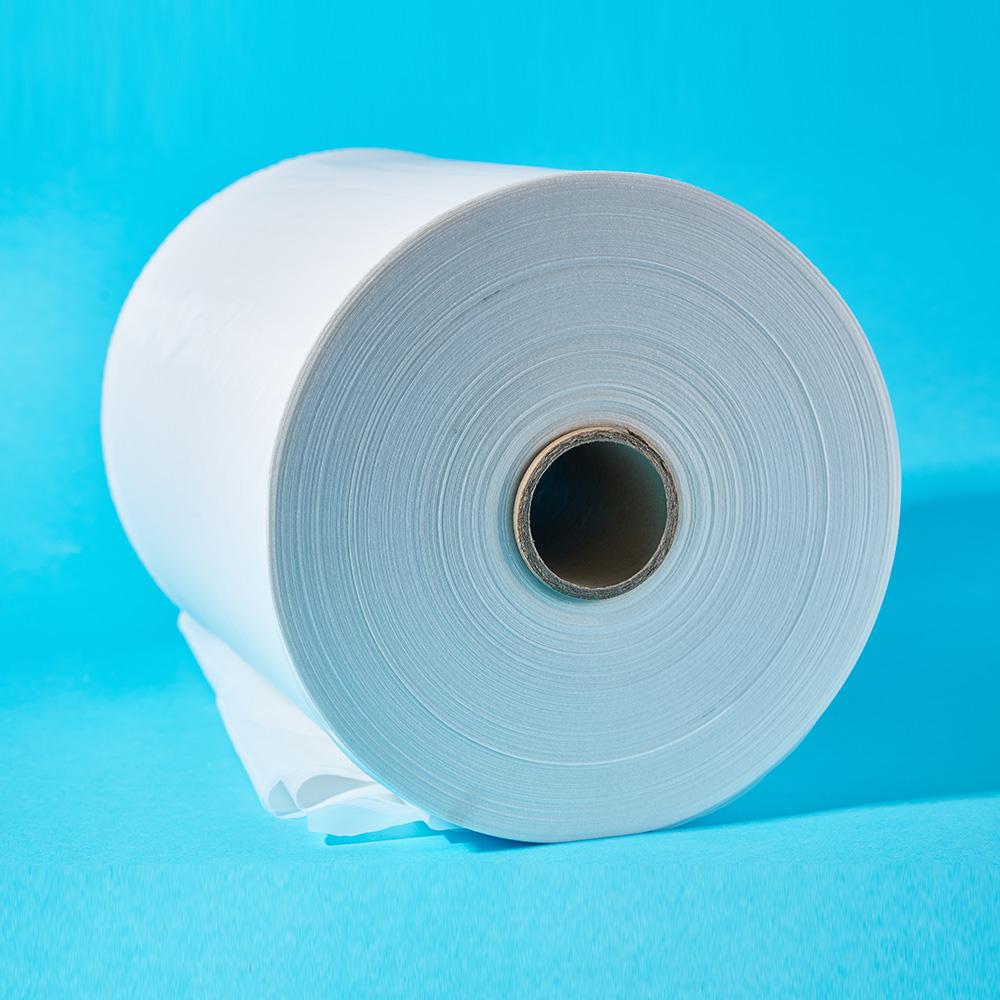
A Polyester (PET) Mesh Filter Screen serves critical separation functions across water treatment, chemical processing, mining, and food manufacturing industries. Municipal drinking water facilities employ these screens for rapid sand filter underdrains, surface water intake screening, and cartridge filter media. The hydrophobic character prevents biological growth adhesion, reducing fouling rates compared to hydrophilic alternatives. Industrial wastewater treatment utilizes Polyester (PET) Mesh Filter Screen in belt filter presses, rotary drum screens, and gravity belt thickeners for dewatering sludges and recovering process water. The material's resistance to chlorinated water and common flocculant polymers ensures sustained performance in chemically aggressive treatment environments. Membrane bioreactor systems incorporate PET mesh as support layers for ultrafiltration membranes, leveraging dimensional stability and hydrolysis resistance during extended immersion in activated sludge.
Chemical processing applications exploit the broad solvent compatibility of Polyester (PET) Mesh Filter Screen. Paint and coating manufacturers employ these screens for pigment dispersion filtration, removing oversized particles while maintaining production rates. Petrochemical facilities filter catalysts, desiccants, and process streams using PET mesh in vessel outlet baskets and filter housings. The material withstands aromatic hydrocarbons, aliphatic solvents, and lubricating oils without swelling or strength degradation. Pharmaceutical intermediate manufacturing utilizes PET mesh for bulk drug filtration where extractable specifications prohibit nylon alternatives. The low water absorption ensures minimal hydrolytic degradation during steam sterilization cycles, though cumulative autoclave exposure gradually reduces tensile properties. Acidic process streams below pH 2 and alkaline conditions above pH 9 require alternative media selection due to ester hydrolysis limitations.
Selection of appropriate Polyester (PET) Mesh Filter Screen specifications requires systematic evaluation of multiple performance parameters. Particle size distribution analysis of the feed stream determines required filtration rating, with nominal ratings indicating approximate particle capture efficiency and absolute ratings guaranteeing retention of all particles above specified size. Flow rate requirements, system pressure, and available pressure drop determine appropriate open area percentage and mesh thickness. Mechanical load considerations include tensile stress during installation, vibrational fatigue during operation, and burst pressure safety margins. Chemical compatibility verification through immersion testing under simulated process conditions confirms long-term stability. Temperature profiles, including both continuous operating temperature and excursion frequency, must remain within PET service limits. The extensive application experience, documented performance characteristics, and predictable engineering properties of Polyester (PET) Mesh Filter Screen establish it as a primary filtration medium selection for aqueous and solvent-based processes where moisture stability, chemical resistance, and dimensional precision are required, enabling engineers to specify PET mesh with confidence across diverse separation applications.

 English
 Arabic
 French
 Spanish
 Portuguese
 Deutsch
 Dutch
Dutch
 Italiano
 Russian
 Romaian
 Portuguese (Brazil)
 Greek
Greek